

Maruti SuzukiHatchback
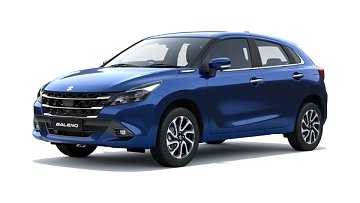
Baleno
₹5.99–9.99 lakh*
*Ex-showroom. Range includes higher trims
Petrol ARAI 23.8–24.77 kmpl Global NCAP* 4 / 5 stars
The sweet spot 2026 guide
The best between ₹5 and ₹10 lakh right now are led by the Maruti Suzuki Baleno, Tata Nexon, Maruti Suzuki Dzire. We've ranked every model on sale by popularity, with ex-showroom prices, claimed economy and listed crash results side by side. Open any model for its full specs, mileage, variants and our verdict.
 Maruti Suzuki Baleno ₹5.99 lakh* 82 bhp112.4 Nm24.77 kmpl *Starting ex-showroom
 All 39 models start below ₹5 – 10 Lakh. Explore the range, then check the exact variant and your city's on-road price.
39 between ₹5 and ₹10 lakh
Maruti SuzukiHatchback
₹5.99–9.99 lakh*
*Ex-showroom. Range includes higher trims

TataSUV
₹7.40–14.42 lakh*
*Ex-showroom. Range includes higher trims

Maruti SuzukiSedan
₹6.31–9.41 lakh*
*Ex-showroom. Range includes higher trims

TataSUV
₹5.75–10.77 lakh*
*Ex-showroom. Range includes higher trims

Maruti SuzukiHatchback
₹5.84–8.89 lakh*
*Ex-showroom. Range includes higher trims

Maruti SuzukiSUV
₹7.40–13.71 lakh*
*Ex-showroom. Range includes higher trims

HyundaiSUV
₹8.00–15.83 lakh*
*Ex-showroom. Range includes higher trims

KiaSUV
₹7.41–14.47 lakh*
*Ex-showroom. Range includes higher trims

HyundaiHatchback
₹6.00–10.63 lakh*
*Ex-showroom. Range includes higher trims

MahindraSUV
₹7.79–15.04 lakh*
*Ex-showroom. Range includes higher trims

HyundaiSUV
₹5.81–10.43 lakh*
*Ex-showroom. Range includes higher trims

Maruti SuzukiMUV/MPV
₹8.90–13.14 lakh*
*Ex-showroom. Range includes higher trims

TataHatchback
₹5.82–10.09 lakh*
*Ex-showroom. Range includes higher trims

MahindraSUV
₹8.49–9.99 lakh*
*Ex-showroom. Range includes higher trims

Maruti SuzukiSUV
₹6.90–12.03 lakh*
*Ex-showroom. Range includes higher trims

HyundaiHatchback
₹5.60–8.04 lakh*
*Ex-showroom. Range includes higher trims

HondaSedan
₹7.69–10.02 lakh*
*Ex-showroom. Range includes higher trims

TataHatchback
₹6.00–10.90 lakh*
*Ex-showroom. Range includes higher trims

SkodaSUV
₹7.59–13.65 lakh*
*Ex-showroom. Range includes higher trims

KiaSUV
₹8.42–15.82 lakh*
*Ex-showroom. Range includes higher trims

ToyotaHatchback
₹6.99–10.98 lakh*
*Ex-showroom. Range includes higher trims

RenaultMUV/MPV
₹5.81–9.00 lakh*
*Ex-showroom. Range includes higher trims

NissanSUV
₹5.69–11.16 lakh*
*Ex-showroom. Range includes higher trims

RenaultSUV
₹5.81–10.40 lakh*
*Ex-showroom. Range includes higher trims

SkodaSedan
₹9.99–18.84 lakh*
*Ex-showroom. Range includes higher trims

NissanMUV/MPV
₹5.73–9.20 lakh*
*Ex-showroom. Range includes higher trims

MGSUV
₹9.79–15.50 lakh*
*Ex-showroom. Range includes higher trims

ToyotaMUV/MPV
₹9.79–14.21 lakh*
*Ex-showroom. Range includes higher trims

MGHatchback
₹6.41–8.72 lakh*
*Ex-showroom. Range includes higher trims

TataSUV
₹8.17–12.99 lakh*
*Ex-showroom. Range includes higher trims

Maruti SuzukiMUV/MPV
₹5.28–6.46 lakh*
*Ex-showroom. Range includes higher trims

TataSedan
₹5.30–9.75 lakh*
*Ex-showroom. Range includes higher trims

HyundaiSedan
₹6.00–8.60 lakh*
*Ex-showroom. Range includes higher trims

MahindraSUV
₹9.06–10.85 lakh*
*Ex-showroom. Range includes higher trims

HyundaiHatchback
₹9.27–11.74 lakh*
*Ex-showroom. Range includes higher trims

ToyotaSUV
₹7.43–12.94 lakh*
*Ex-showroom. Range includes higher trims

CitroënSUV
₹8.55–14.10 lakh*
*Ex-showroom. Range includes higher trims

CitroënSUV
₹8.89–14.72 lakh*
*Ex-showroom. Range includes higher trims
No cars match these filters.
A clear view of price, claimed petrol economy and the listed crash-test result.
| Model | Ex-showroom range | Kmpl | Global NCAP* | Boot space |
|---|---|---|---|---|
| Maruti SuzukiBaleno | ₹5.99–9.99 L* | 23.8–24.77 | 4 / 5 stars | 318 L |
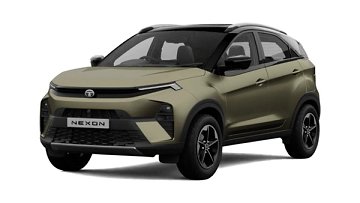
| TataNexon | ₹7.40–14.42 L* | 17.01–23.23 | 5 / 5 stars | 382 L |
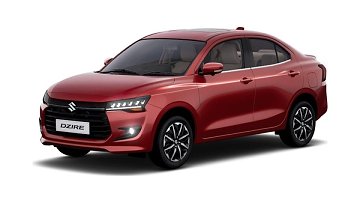
| Maruti SuzukiDzire | ₹6.31–9.41 L* | 24.79–25.71 | 5 / 5 stars | 382 L |
| TataPunch | ₹5.75–10.77 L* | 18.8 | 5 / 5 stars | 366 L |
| Maruti SuzukiSwift | ₹5.84–8.89 L* | 24.8–25.75 | Not listed | 265 L |
| Maruti SuzukiBrezza | ₹7.40–13.71 L* | 19.96–21.09 | 5 / 5 stars | 328 L |
| HyundaiVenue | ₹8.00–15.83 L* | 18.5–20.99 | 5 / 5 stars | 375 L |
| KiaSonet | ₹7.41–14.47 L* | 18.3–24.1 | Not listed | 385 L |
| Hyundaii20 | ₹6.00–10.63 L* | 19 | 3 / 5 stars | 311 L |
| MahindraXUV 3XO | ₹7.79–15.04 L* | Not listed | 5 / 5 stars | 364 L |
| HyundaiExter | ₹5.81–10.43 L* | 19.4 | Not listed | 391 L |
| Maruti SuzukiErtiga | ₹8.90–13.14 L* | 20.3–20.51 | 1 / 5 stars | 209 L |
| TataTiago EV | ₹5.82–10.09 L* | Not listed | 4 / 5 stars | 240 L |
| MahindraBolero | ₹8.49–9.99 L* | 16 | Not listed | 370 L |
| Maruti SuzukiFronx | ₹6.90–12.03 L* | 20.01–22.89 | Not listed | 308 L |
| HyundaiGrand i10 Nios | ₹5.60–8.04 L* | 18 | 2 / 5 stars | 260 L |
| HondaAmaze | ₹7.69–10.02 L* | 18.65–19.46 | 5 / 5 stars | 416 L |
| TataAltroz | ₹6.00–10.90 L* | 19.33 | 5 / 5 stars | 345 L |
| SkodaKylaq | ₹7.59–13.65 L* | 19.05–19.68 | 5 / 5 stars | 360 L |
| KiaSyros | ₹8.42–15.82 L* | 17.65 | 5 / 5 stars | 390 L |
| ToyotaGlanza | ₹6.99–10.98 L* | 23.8–24.77 | Not listed | Not listed |
| RenaultTriber | ₹5.81–9.00 L* | 18.2 | 4 / 5 stars | 84 L |
| NissanMagnite | ₹5.69–11.16 L* | 17.9–19.9 | 5 / 5 stars | 336 L |
| RenaultKiger | ₹5.81–10.40 L* | Not listed | 4 / 5 stars | 405 L |
| SkodaSlavia | ₹9.99–18.84 L* | 18.41–19.62 | 5 / 5 stars | 521 L |
| NissanGravite | ₹5.73–9.20 L* | 19.3–19.6 | Not listed | 84 L |
| MGAstor | ₹9.79–15.50 L* | 14.82 | Not listed | 488 L |
| ToyotaRumion | ₹9.79–14.21 L* | 20.11–20.51 | Not listed | 209 L |
| MGComet EV | ₹6.41–8.72 L* | Not listed | Not listed | 350 L |
| TataPunch EV | ₹8.17–12.99 L* | Not listed | 5 / 5 stars | 366 L |
| Maruti SuzukiEeco | ₹5.28–6.46 L* | 19.71 | Not listed | Not listed |
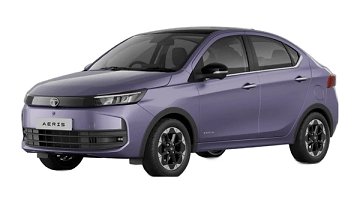
| TataAeris | ₹5.30–9.75 L* | Not listed | Not listed | 419 L |
| HyundaiAura | ₹6.00–8.60 L* | 20.5 | Not listed | 402 L |
| MahindraBolero Neo | ₹9.06–10.85 L* | 17.2 | 1 / 5 stars | 384 L |
| Hyundaii20 N Line | ₹9.27–11.74 L* | 20 | Not listed | 311 L |
| ToyotaUrban Cruiser Taisor | ₹7.43–12.94 L* | 19.86–22.79 | Not listed | 308 L |
| CitroënBasalt X | ₹8.55–14.10 L* | Not listed | 4 / 5 stars | 470 L |
| CitroënAircross X | ₹8.89–14.72 L* | Not listed | 5 / 5 stars | 444 L |
| CitroëneC3 X | ₹9.54–13.36 L* | Not listed | 0 / 5 stars | 315 L |
Starting price is not the whole range. Each model starts below ₹5 – 10 Lakh ex-showroom. The ranges above include higher trims that can cost considerably more, and exclude registration, road tax and insurance.
Read the rating in context. *Global NCAP results refer to the tested variant and protocol, not every trim on sale. "Not listed" means no result has been published for that model, which is not the same as a poor one.
Three close calls in this budget, and what each one actually comes down to.
Popularity or the listed crash result?
Nexon carries the best listed result here at 5 stars. Check the equipment on the exact variant you are quoted, not the range.
Compare these cars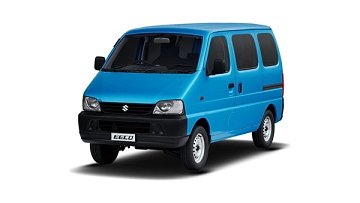
Two different ways to start small.
₹5.28 lakh against ₹5.30 lakh ex-showroom. Weigh the gap against seating comfort and your city's on-road quote.
Compare these cars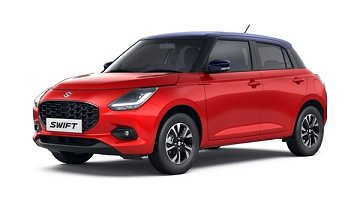
Running cost, or the rest of the package?
Swift claims the highest figure on this list at 25.8 kmpl ARAI. Compare that against what Dzire gives you for the money.
Compare these carsOwnership / Fuel cost
This illustration uses 12,000 km a year, petrol at ₹102.12 per litre, and real-world efficiency at 80% of the claimed figure. Change either to match how you drive.
XUV 3XO, Tiago EV, Kiger are omitted because mileage data is unavailable in this source.
| Model | Est. kmpl | ₹ / km | Fuel / year |
|---|---|---|---|
| Swift | ~20.6 | ₹4.96 | ₹59,487 |
| Dzire | ~20.6 | ₹4.96 | ₹59,580 |
| Baleno | ~19.8 | ₹5.15 | ₹61,841 |
| Glanza | ~19.8 | ₹5.15 | ₹61,841 |
| Sonet | ~19.3 | ₹5.30 | ₹63,560 |
| Nexon | ~18.6 | ₹5.50 | ₹65,941 |
| Fronx | ~18.3 | ₹5.58 | ₹66,920 |
| Urban Cruiser Taisor | ~18.2 | ₹5.60 | ₹67,214 |
Illustrative estimates only. Fuel costs exclude insurance, tax, finance, servicing and repairs.
The questions buyers ask most about this list, answered from current on-sale data.
The Maruti Suzuki Baleno is one of the best-selling cars in the ₹5–10 lakh range, offering a strong mix of features, mileage and value. Other strong sellers in this list are Tata Nexon and Maruti Suzuki Dzire.
The Maruti Suzuki Eeco is the most affordable, starting at ₹5.28 lakh ex-showroom. On-road price is higher: registration, road tax and insurance typically add 10–15% depending on your state.
The Maruti Suzuki Swift claims the highest ARAI figure at 25.75 kmpl, followed by the Maruti Suzuki Dzire at 25.71 kmpl. These are certified test figures, and real-world mileage is usually lower.
The Tata Nexon, Maruti Suzuki Dzire and Tata Punch carry the best crash-test result here: 5 stars, though under different programmes (Bharat NCAP, Global NCAP), and results are not directly comparable across them. Check the variant you pick, as airbag count and ESC can differ by trim.
Yes. Maruti Suzuki Baleno, Tata Nexon and Maruti Suzuki Dzire offer a factory CNG option, 22 models in all. Factory-fitted CNG keeps the warranty intact and costs noticeably less per kilometre than petrol, though boot space shrinks because of the cylinder.
Maruti Suzuki Baleno, Tata Nexon and Maruti Suzuki Dzire are offered with an automatic, and most others here too, usually an AMT at this end of the market, which is cheaper than a CVT or torque converter but shifts more slowly.
On-road price is the ex-showroom price plus RTO registration, road tax, insurance and any handling charge, which adds roughly 10–15% and varies by state. Tap any price in the table above to switch it to your city, or see the full break-up on the Maruti Suzuki Baleno page.
The Skoda Slavia leads with 521 litres, ahead of the MG Astor at 488 litres.
Reviewed by expert

Automotive Content Creator and Strategist
Mayank Rathi is an automobile enthusiast and automotive content writer with 3 years of experience in the industry. A passionate car lover since childhood, he combines genuine automotive curiosity with a sharp eye for industry trends and new launches. His writing focuses on making complex car specifications, technologies, prices and comparisons simple, accurate and engaging for everyday readers. Through his work at MyWheelsExpert, Mayank aims to help car buyers make better-informed decisions with content they can trust.
View profile →Sign in
Choose how you'd like to continue
By continuing you agree to our Terms of Use.
