
TVS
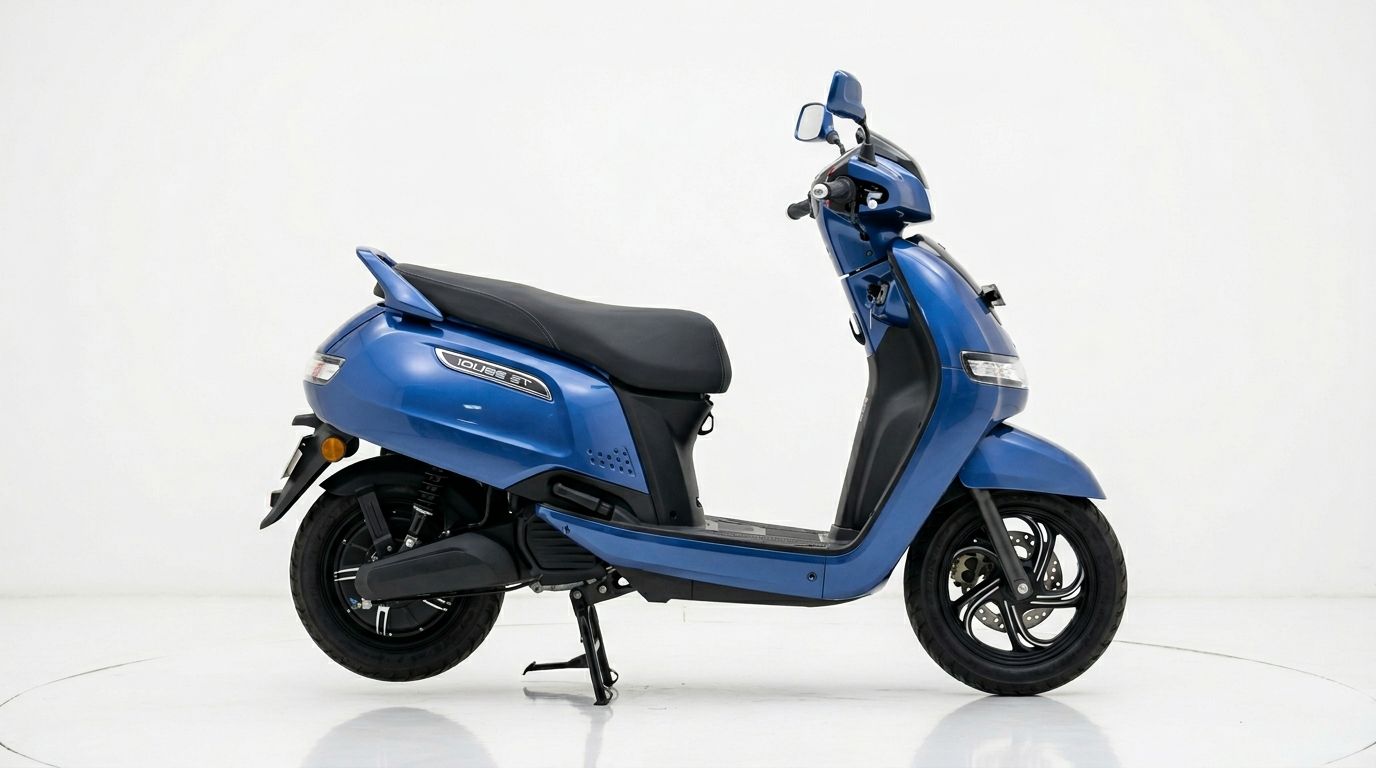
TVS iQube
₹94,434
onwards
TVS
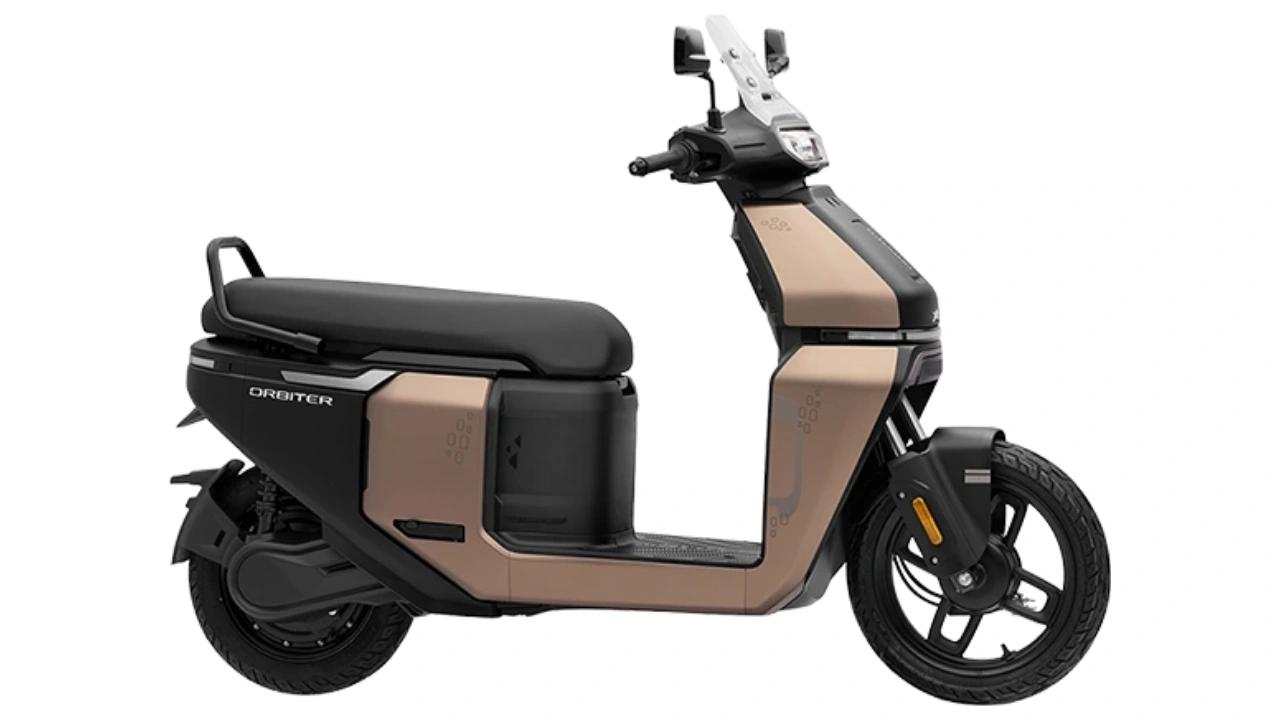
TVS Orbiter
₹1,02,459
onwards
Petrol and electric scooters on sale in India. Compare prices, mileage, range and features, then pick the one that suits your daily ride.
8 of 8 models
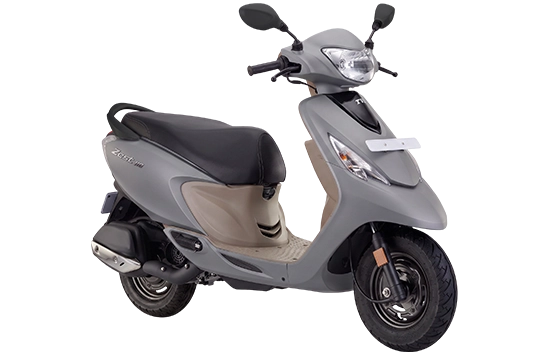 Petrol 3 variants
 TVS
₹71,350 – ₹77,650
ex-showroom
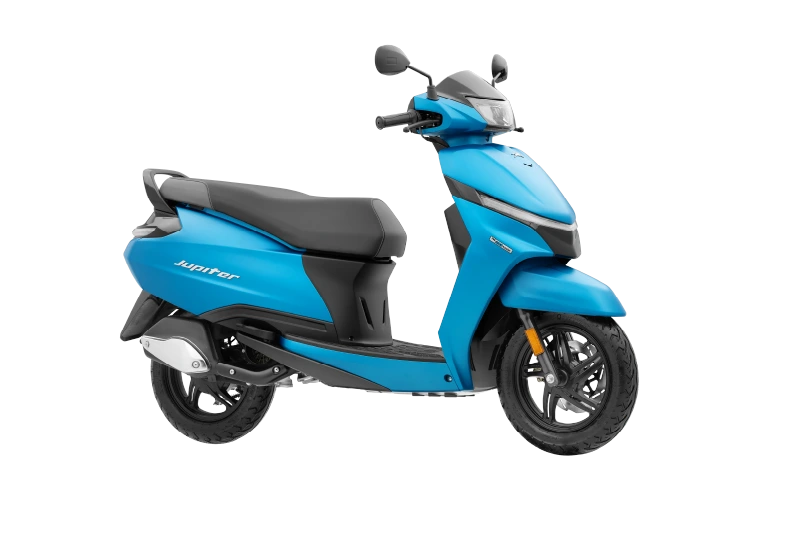 Petrol 6 variants
 TVS
₹74,125 – ₹89,825
ex-showroom
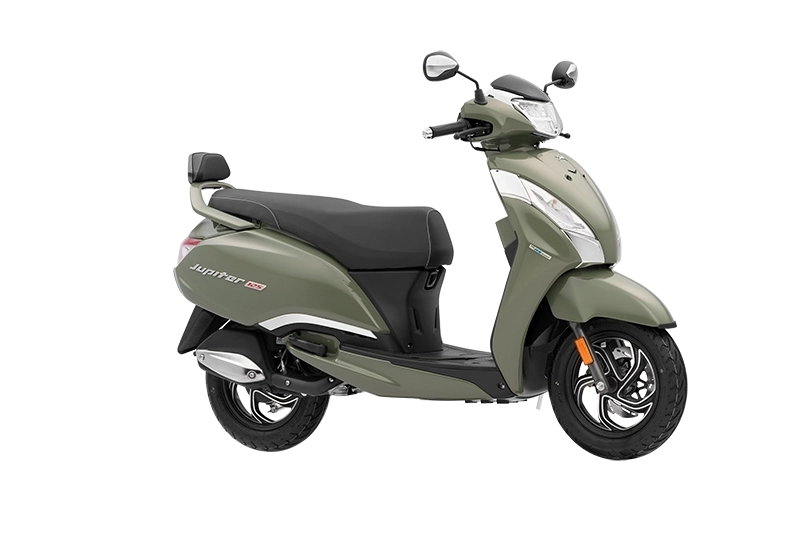 Petrol 4 variants
 TVS
₹81,700 – ₹89,935
ex-showroom
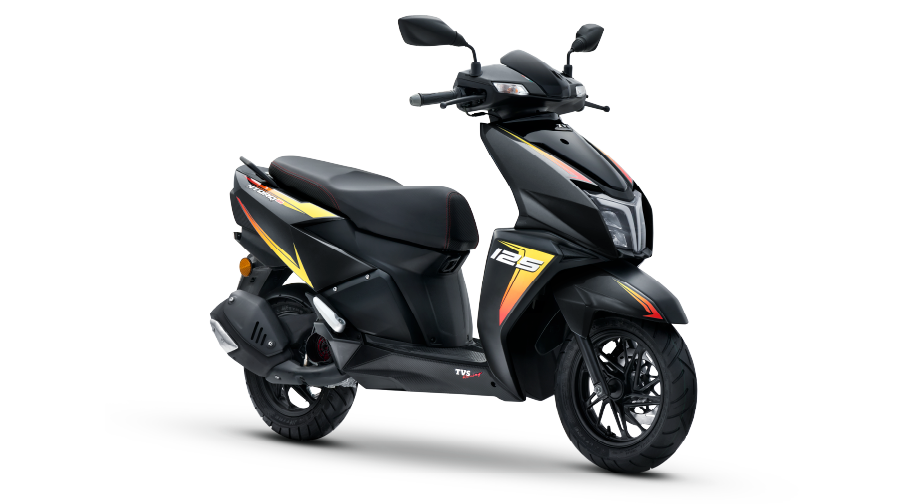 Petrol 5 variants
 TVS
₹83,850 – ₹1,02,000
ex-showroom
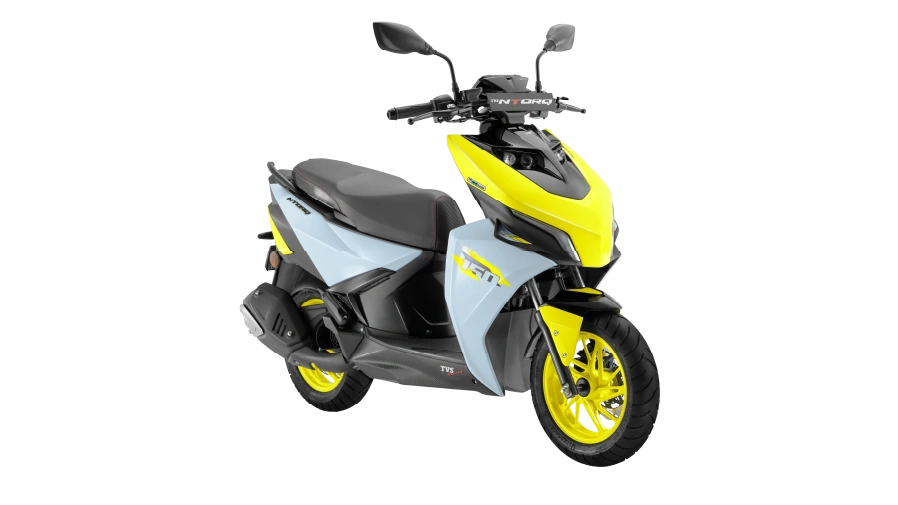 Petrol 2 variants
 TVS
₹1,12,300 – ₹1,21,300
ex-showroom
TVS
TVS iQube
₹94,434
onwards
TVS
TVS Orbiter
₹1,02,459
onwards
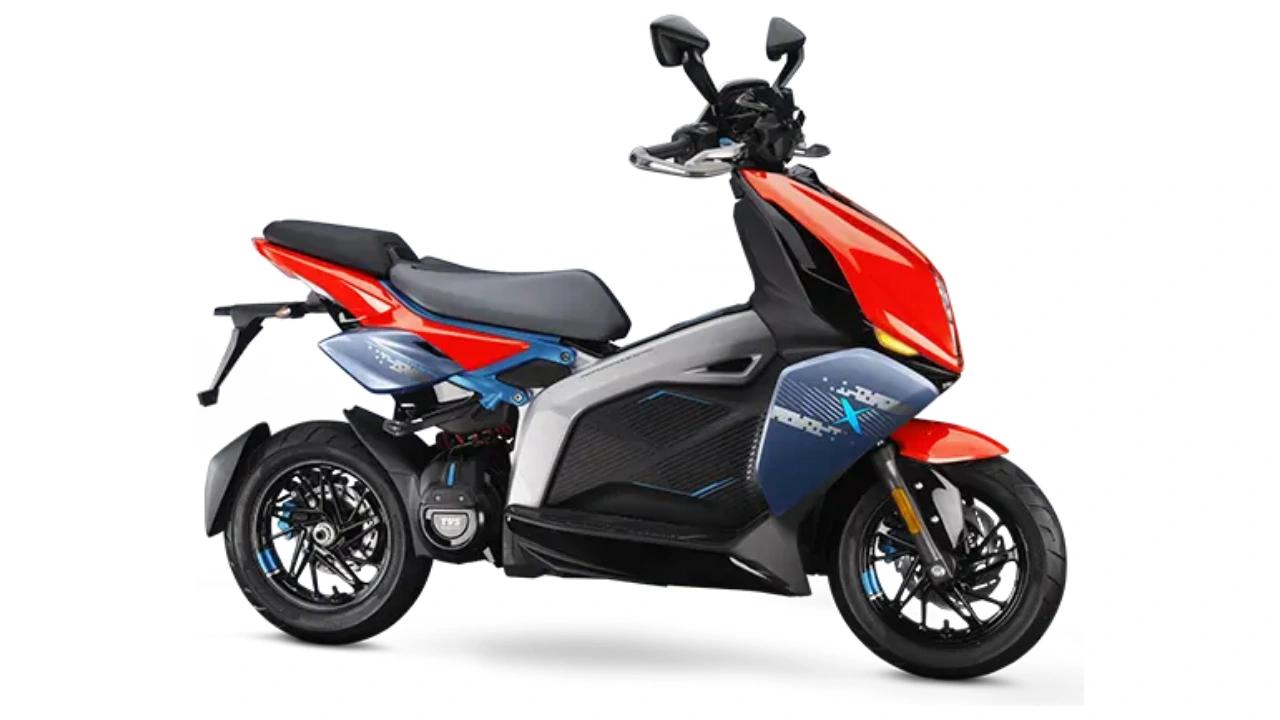
TVS
TVS Orbiter
₹1,02,459
onwards
TVS
TVS X
₹2,66,141
onwards
TVS
TVS Zest 110
₹71,350
onwards
TVS
TVS Jupiter
₹74,125
onwards
TVS
TVS Jupiter
₹74,125
onwards
TVS
TVS Jupiter 125
₹81,700
onwards
An electric scooter is much cheaper to run and needs very little servicing. The catch is charging: you need a place to plug it in, and the range decides how far you can go in a day. A petrol scooter fills up in two minutes at any pump, so it suits long or unplanned rides better. If you ride less than 40 km a day and can charge at home, electric usually works out cheaper.
Most 110cc scooters give about 45 to 55 kmpl and 125cc ones about 45 to 50 kmpl on the ARAI test. You will usually get less than that in real riding, especially with a pillion, on short trips, or if you accelerate hard. Think of the tested number as the best case, not the everyday one.
Most family electric scooters take about 2 to 4.5 hours to go from 0 to 80 percent on a normal 15 A home socket. It depends on the battery size. A bigger battery gives you more range but takes longer to charge.
IDC is a lab test, so the number is there to compare scooters, not to tell you what you will get. In real riding, expect roughly 20 to 25 percent less once you add traffic, your weight and the riding mode you use.
Sign in
Choose how you'd like to continue
By continuing you agree to our Terms of Use.