My Wheels Expert

Best Cars Between ₹20 and ₹40 Lakh in India (2026)

15 cars ranked by popularity. Premium SUVs, sedans and 7-seaters from ₹20 to ₹40 lakh — ranked by popularity. Compare variant-wise prices, features and on-road costs across cities.

The best between ₹20 and ₹40 lakh in India right now are led by the Toyota Fortuner, Tata Harrier EV, Toyota Hilux. This page ranks all 15 between ₹20 and ₹40 lakh on sale by popularity — with ex-showroom and city on-road prices, mileage, key features and the MyWheelsExpert verdict — so you can shortlist and get the best dealer quote.

All Cars Between ₹20 and ₹40 Lakh – Price List

Compare ex-showroom price ranges, ARAI fuel efficiency, body styles and crash-test ratings. Tap any price to switch the table to your city's on-road price.

ModelPrice RangeBody TypeMileageSafety Rating
Citroën C5 AircrossSUV17.5 kmpl ★ 4-Star Euro NCAP
Skoda KodiaqSUV14.86 kmpl ★ 5-Star Euro NCAP
Toyota FortunerSUV10.3 kmplNot crash-tested
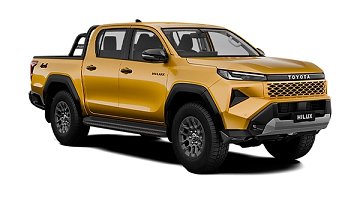
Toyota HiluxPickup
Kia SorentoSUV
BYD eMAX 7MPV420 – 530 km (Range)
BYD Atto 3SUV468 – 521 km (Range)
Maruti Suzuki InvictoMUV/MPV22.16 kmpl ★ 5-Star Bharat NCAP
VinFast VF MPV 7MPV517 km (Range)
MG Hector Tomahawk PHEVSUV
Toyota Urban Cruiser EbellaSUV543 km (Range)Not crash-tested
Jeep MeridianSUVNot crash-tested
VinFast VF 7SUV438 – 532 km (Range) ★ 5-Star Bharat NCAP
Tata Harrier EVSUV420 – 627 km (Range) ★ 5-Star Bharat NCAP
Mahindra XEV 9SSUV521 – 679 km (Range)Not crash-tested

Compare Cars Between ₹20 and ₹40 Lakh

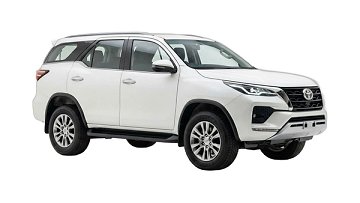
Toyota Fortuner
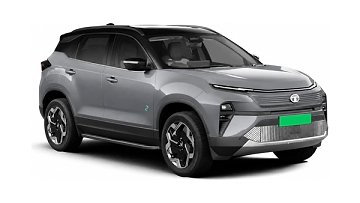
Tata Harrier EV
VS

Toyota

Fortuner

₹34.76 Lakh

onwards

Tata

Harrier EV

₹21.79 Lakh

onwards

Toyota Fortuner
Toyota Hilux
VS

Toyota

Fortuner

₹34.76 Lakh

onwards

Toyota

Hilux

₹31.99 Lakh

onwards

Toyota Fortuner
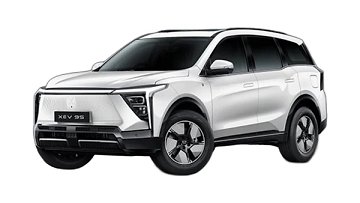
Mahindra XEV 9S
VS

Toyota

Fortuner

₹34.76 Lakh

onwards

Mahindra

XEV 9S

₹20.65 Lakh

onwards

Tata Harrier EV
Toyota Hilux
VS

Tata

Harrier EV

₹21.79 Lakh

onwards

Toyota

Hilux

₹31.99 Lakh

onwards

Toyota Fortuner
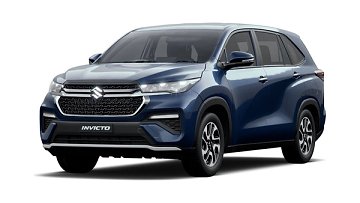
Maruti Suzuki Invicto
VS

Toyota

Fortuner

₹34.76 Lakh

onwards

Maruti Suzuki

Invicto

₹24.94 Lakh

onwards

Tata Harrier EV
Mahindra XEV 9S
VS

Tata

Harrier EV

₹21.79 Lakh

onwards

Mahindra

XEV 9S

₹20.65 Lakh

onwards

Toyota Fortuner
Kia Sorento
VS

Toyota

Fortuner

₹34.76 Lakh

onwards

Kia

Sorento

₹27.99 Lakh

onwards

Tata Harrier EV
Maruti Suzuki Invicto
VS

Tata

Harrier EV

₹21.79 Lakh

onwards

Maruti Suzuki

Invicto

₹24.94 Lakh

onwards

Toyota Hilux
Mahindra XEV 9S
VS

Toyota

Hilux

₹31.99 Lakh

onwards

Mahindra

XEV 9S

₹20.65 Lakh

onwards

Toyota Fortuner
Toyota Urban Cruiser Ebella
VS

Toyota

Fortuner

₹34.76 Lakh

onwards

Toyota

Urban Cruiser Ebella

₹23.60 Lakh

onwards

Tata Harrier EV
Kia Sorento
VS

Tata

Harrier EV

₹21.79 Lakh

onwards

Kia

Sorento

₹27.99 Lakh

onwards

Toyota Hilux
Maruti Suzuki Invicto
VS

Toyota

Hilux

₹31.99 Lakh

onwards

Maruti Suzuki

Invicto

₹24.94 Lakh

onwards

Toyota Fortuner
MG Hector Tomahawk PHEV
VS

Toyota

Fortuner

₹34.76 Lakh

onwards

MG

Hector Tomahawk PHEV

₹23.74 Lakh

onwards

Tata Harrier EV
Toyota Urban Cruiser Ebella
VS

Tata

Harrier EV

₹21.79 Lakh

onwards

Toyota

Urban Cruiser Ebella

₹23.60 Lakh

onwards

Toyota Hilux
Kia Sorento
VS

Toyota

Hilux

₹31.99 Lakh

onwards

Kia

Sorento

₹27.99 Lakh

onwards

Mahindra XEV 9S
Maruti Suzuki Invicto
VS

Mahindra

XEV 9S

₹20.65 Lakh

onwards

Maruti Suzuki

Invicto

₹24.94 Lakh

onwards

Toyota Fortuner
Skoda Kodiaq
VS

Toyota

Fortuner

₹34.76 Lakh

onwards

Skoda

Kodiaq

₹36.99 Lakh

onwards

Tata Harrier EV
MG Hector Tomahawk PHEV
VS

Tata

Harrier EV

₹21.79 Lakh

onwards

MG

Hector Tomahawk PHEV

₹23.74 Lakh

onwards

Toyota Hilux
Toyota Urban Cruiser Ebella
VS

Toyota

Hilux

₹31.99 Lakh

onwards

Toyota

Urban Cruiser Ebella

₹23.60 Lakh

onwards

Mahindra XEV 9S
Kia Sorento
VS

Mahindra

XEV 9S

₹20.65 Lakh

onwards

Kia

Sorento

₹27.99 Lakh

onwards

Toyota Fortuner
Citroën C5 Aircross
VS

Toyota

Fortuner

₹34.76 Lakh

onwards

Citroën

C5 Aircross

₹37.32 Lakh

onwards

Tata Harrier EV
Skoda Kodiaq
VS

Tata

Harrier EV

₹21.79 Lakh

onwards

Skoda

Kodiaq

₹36.99 Lakh

onwards

Toyota Hilux
MG Hector Tomahawk PHEV
VS

Toyota

Hilux

₹31.99 Lakh

onwards

MG

Hector Tomahawk PHEV

₹23.74 Lakh

onwards

Mahindra XEV 9S
Toyota Urban Cruiser Ebella
VS

Mahindra

XEV 9S

₹20.65 Lakh

onwards

Toyota

Urban Cruiser Ebella

₹23.60 Lakh

onwards

Maruti Suzuki Invicto
Kia Sorento
VS

Maruti Suzuki

Invicto

₹24.94 Lakh

onwards

Kia

Sorento

₹27.99 Lakh

onwards

Toyota Fortuner
VinFast VF 7
VS

Toyota

Fortuner

₹34.76 Lakh

onwards

VinFast

VF 7

₹21.90 Lakh

onwards

Tata Harrier EV
Citroën C5 Aircross
VS

Tata

Harrier EV

₹21.79 Lakh

onwards

Citroën

C5 Aircross

₹37.32 Lakh

onwards

Toyota Hilux
Skoda Kodiaq
VS

Toyota

Hilux

₹31.99 Lakh

onwards

Skoda

Kodiaq

₹36.99 Lakh

onwards

Mahindra XEV 9S
MG Hector Tomahawk PHEV
VS

Mahindra

XEV 9S

₹20.65 Lakh

onwards

MG

Hector Tomahawk PHEV

₹23.74 Lakh

onwards

Maruti Suzuki Invicto
Toyota Urban Cruiser Ebella
VS

Maruti Suzuki

Invicto

₹24.94 Lakh

onwards

Toyota

Urban Cruiser Ebella

₹23.60 Lakh

onwards

Cars Between ₹20 and ₹40 Lakh: the ownership guide

Written and maintained by the MyWheelsExpert editorial desk · Updated 14 September 2026 · Prices, mileage and crash ratings drawn from our live model database

What you are actually choosing between

This list holds 15 cars between ₹20 and ₹40 lakh on sale in India right now, spanning ₹20.65 lakh for the Mahindra XEV 9S up to ₹37.32 lakh for the Citroën C5 Aircross at entry level, with the most expensive trim in the group reaching ₹50.46 lakh. Body styles run to suv, pickup, muv/mpv, mpv, so the shortlist is not like-for-like, and the right answer depends far more on how you will use the car than on which one tops the sales chart.

Two numbers matter more than the sticker price. The first is on-road cost: registration, road tax and insurance add roughly 10–15% depending on your state, so a ₹20.65 lakh ex-showroom car lands closer to ₹23.13 lakh in the driveway. The second is what it costs to keep — fuel, servicing and insurance renewals across five years, which in this part of the market routinely exceeds the difference in purchase price between any two models here. 7 are electric, where the running-cost gap is wider still.

Running costs: what these cars cost per kilometre

The table below works fuel cost from each model's best claimed ARAI figure, discounted to 80% to reflect real driving, at Delhi's petrol price of ₹102.12 a litre (as of 14 Sept 2026, 8:15 pm). The annual column assumes 12,000 km a year, which is close to the Indian urban average. Your own figure will move with traffic, air-conditioning use, tyre pressure and how much of your running is cold-start short trips — the last of these hurts small petrol engines most.

ModelClaimedReal-world est.Fuel cost / kmPer year
Maruti Suzuki Invicto22.16 kmpl~17.7 kmpl₹5.76₹69,125
Citroën C5 Aircross17.5 kmpl~14 kmpl₹6.80₹81,600
Skoda Kodiaq14.86 kmpl~11.9 kmpl₹8.59₹1,03,082
Toyota Fortuner10.3 kmpl~8.2 kmpl₹12.39₹1,48,718

On these assumptions the Maruti Suzuki Invicto is the cheapest to fuel at about ₹5.76 a kilometre, and the Toyota Fortuner the most expensive at ₹12.39. Over five years and 60,000 km that gap comes to roughly ₹3,97,969 — enough to outweigh a meaningful chunk of the price difference between them, which is exactly why buying purely on ex-showroom price tends to be a false economy in this segment.

Servicing, warranty and the bills that follow

Scheduled servicing is the running cost buyers most often underestimate, and the hardest to pin down: no manufacturer in India publishes a directly comparable scheduled-service price list, and dealer labour rates vary by city. As a planning figure, budget ₹3,000–₹5,500 per scheduled visit for a car in this class, at roughly one service a year or every 10,000 km. Across five years that is about ₹15,000–₹27,500, before consumables such as tyres, brake pads and the battery. Treat it as a band to plan against, not a quote — ask your dealer for the model's service schedule and prepaid maintenance pack price before you sign, because those packs are where the real variation sits.

Two structural factors matter more than the headline rate. The first is parts pricing and network density: a brand with wide reach and high-volume parts supply will almost always be cheaper to live with over five years than one with a thin network, regardless of what the first service costs. The second is warranty length, which caps your exposure in the years when component failures start to appear.

ModelStandard warranty
Tata Harrier EV3 Years / 1,25,000 km
Toyota Hilux3 Years / 100,000 km
Kia Sorento3 Years / Unlimited km (extendable up to 5 years)
MG Hector Tomahawk PHEV3 Years / Unlimited km (other than HV battery; commercial use 3 yrs / 1 lakh km; 12V/48V battery & tyres 1 yr; infotainment 3 yrs)

Warranty terms as published for the variants in our database. Models are listed only where we hold a confirmed figure — an absent row means we have not verified it, not that no warranty applies.

Extended warranty is usually worth buying in this segment. It is cheapest at the point of sale, and on a car kept five years or more it frequently costs less than a single out-of-warranty repair to the gearbox, air-conditioning compressor or electricals. Insurance is the other recurring line: own-damage premiums fall as the car depreciates, but third-party cover rises with regulated rates, so budget for a renewal that does not shrink as fast as you expect.

Pros and cons, model by model

Our road-test desk scores each car on powertrain, safety, comfort, efficiency, technology and value. The strengths and weaknesses below are the ones that changed those scores — not spec-sheet bullet points. 15 of the 15 cars between ₹20 and ₹40 lakh here carry a full published verdict.

Harrier EV's dual-motor grunt and 627km range impress most

The Harrier EV is a genuine three-row electric SUV that flexes segment-leading 390 bhp dual-motor AWD power and delivers a credible 627 km MIDC range. Where it stumbles is real-world efficiency (4.4/10) and pricing—the best features cluster in pricier Empowered and 75 kWh variants, making base trims feel stripped. Still, safety is genuinely strong with 5-star NCAP and 7 airbags standard, while the tech suite (Level-2 ADAS, 540° clear view) feels genuinely useful.

What works

  • 390 bhp dual-motor AWD with terrain modes—segment's most powerful EV SUV
  • 627 km MIDC range and 1.5C rapid DC charging keeps highway anxiety at bay
  • 5-star NCAP with 7 airbags, ESP and ADAS as standard safety baseline
  • Level-2 ADAS and 540-degree clear view camera genuinely useful daily

What does not

  • Real-world efficiency lags peers—expect range loss in mixed driving
  • Best tech (ADAS, 360 camera, ventilated seats, panoramic roof) locked to higher trims
  • Top AWD variants cost significantly more; entry base trims feel feature-light
  • 65 kWh variants capped at 100 kW DC charging vs 120 kW on 75 kWh

Ambitious EV with strong range and safety, still finding its feet

The VinFast VF 7 makes a bold statement with 532 km range, 349 bhp AWD grunt, and a 5-star NCAP rating—genuinely impressive credentials for an electric SUV at this price. But a slow DC charging speed and VinFast's nascent service infrastructure in India mean you're betting on the brand's commitment, not just the car's capability.

What works

  • 532 km range and 349 bhp AWD performance set a high bar in segment
  • 7 airbags and 5-star NCAP crash rating deliver genuine reassurance
  • Panoramic sunroof, ventilated seats, and HUD standard on higher trims
  • Level 2 ADAS suite available from Wind trim onwards

What does not

  • 110 kW DC charging slower than contemporary rivals
  • Entry Earth trim strips ADAS, wireless charger, and panoramic roof
  • VinFast's service and public charging network still maturing in India
  • Efficiency score indicates higher real-world consumption relative to class

Three-row EV that balances range, power and practicality

The XEV 9S proves seven-seater electric mobility doesn't mean compromising on space or performance. With 679 km of real-world range, 282 bhp of instant torque, and a genuinely practical cabin, it's a compelling package—though pricing positions it as a premium choice in the EV segment.

What works

  • 679 km range eliminates typical EV anxiety for daily and long-distance use
  • 282 bhp rear motor delivers brisk acceleration from a standstill
  • Genuine seven-seat layout with 527-litre boot for family adventures
  • Ventilated front seats and panoramic sunroof enhance cabin comfort

What does not

  • ₹20.65 lakh entry price is steep for segment comparison
  • Single-motor setup limits all-wheel-drive capability versus some rivals
  • Seven-seater practicality trades some cargo flexibility in everyday use
  • No charging infrastructure detail provided—home charging essential for ownership peace

Practical 8-seater with strong safety and comfort credentials

The Invicto is a well-rounded family MPV that balances real-world practicality with genuine safety assurance. Its 186bhp engine delivers adequate performance for daily duties, while the 5-star NCAP rating and 6 airbags provide genuine peace of mind. Strong comfort and powertrain scores make it a credible choice in the segment, though fuel efficiency remains middling for this category.

What works

  • 5-star NCAP safety rating with 6 airbags as standard
  • 8 comfortable seats with ventilated options for occupant relief
  • 186bhp engine with 206Nm torque punches above typical MPV expectations
  • Practical 289L boot space in an 8-seater configuration

What does not

  • 22.16km/l ARAI efficiency is respectable but not segment-leading for MPVs
  • No ADAS safety tech—early warning systems absent despite strong crash test credentials
  • Limited to 5 core tech features; infotainment remains modest by modern standards
  • Single fuel option restricts flexibility for varying use patterns

BYD Atto 3

8.4/10

Compelling EV with real-world range and smart tech

The Atto 3 arrives as a thoroughly capable electric SUV that balances performance, range, and practical features without pretense. At under ₹25 lakh, it delivers 201 bhp, 521 km of real-world range, and seven airbags as standard—making it a serious contender in India's EV space. The 8.8 tech score reflects genuinely useful features rather than gimmickry, though value perception dips slightly due to the premium EV positioning.

What works

  • 521 km range eliminates daily charging anxiety
  • 201 bhp delivers genuine driving engagement
  • 7 airbags and 5 ADAS functions for safety-first families
  • Ventilated seats and 7-tech features standard across range

What does not

  • ₹24.99 lakh entry price sits at segment premium
  • No sunroof—a common expectation at this price
  • 5-seater layout limits third-row flexibility
  • EV charging infrastructure still patchy across India

Practical EV with strong tech, but limited options and real-world range concerns

The Urban Cruiser Ebella brings Toyota's reliability promise to India's EV market with a respectable 543 km ARAI range, Level 2 ADAS, and premium cabin tech at ₹23.6 lakh. However, the single-variant launch strategy and FWD-only setup limit buyer choice, while real-world range will meaningfully dip in typical usage—making it a practical daily driver rather than a segment-leading proposition.

What works

  • 543 km ARAI-certified range from LFP battery with longer lifecycle and thermal stability
  • ADAS Level 2 with 360° camera and 7 airbags standard across the board
  • Premium cabin: JBL audio, 10.1" touchscreen, wireless smartphone integration, air purifier
  • Robust EV architecture—battery protection frame, multi-link suspension, 18" ventilated discs

What does not

  • Single E3 variant at launch—rivals offer broader trim ladder for choice
  • FWD only; no AWD variant for those wanting performance or traction
  • Real-world range will drop notably versus ARAI figure in highway and AC-heavy driving
  • LFP chemistry trades some energy density and cold-weather efficiency versus NMC competitors

Safety: read the rating, then read the variant

5 of the 15 cars between ₹20 and ₹40 lakh here hold four stars or better — Tata Harrier EV, Maruti Suzuki Invicto and Skoda Kodiaq. The best result in the group is the Tata Harrier EV at 5 stars in Bharat NCAP.

One caveat matters more than the star count itself. A crash rating applies to the specific variant tested, and structure is only part of the story — airbag count, electronic stability control, ISOFIX mounts and seatbelt reminders can all differ between the base trim and the one that was crash-tested. Six airbags and ESC are now standard across far more of the market than they were three years ago, but not universally at the bottom of the range. Check the variant you are actually buying, not the model.

Rating programmes are not interchangeable either. Global NCAP, Bharat NCAP and Euro NCAP use different protocols and score thresholds, so a four-star result in one is not directly comparable with four stars in another. Where we show the programme name alongside the score, it is because the distinction changes how much weight the number deserves.

Which of these suits you

Our reviewers assess each car against the buyer types it is genuinely built for, rather than scoring it in the abstract. These are the matches that came out strongest in this group.

Cars Between ₹20 and ₹40 Lakh — FAQs

The questions buyers ask most about this list, answered from current on-sale data.

Which is the most popular car between ₹20 and ₹40 lakh in India?

The Toyota Fortuner is a popular choice in the ₹20–40 lakh range, valued for its badge, capability and features. Other strong sellers in this list are Tata Harrier EV and Toyota Hilux.

Which is the cheapest car between ₹20 and ₹40 lakh?

The Mahindra XEV 9S is the most affordable, starting at ₹20.65 lakh ex-showroom. On-road price is higher — registration, road tax and insurance typically add 10–15% depending on your state.

Which car between ₹20 and ₹40 lakh gives the best mileage?

The Maruti Suzuki Invicto claims the highest ARAI figure at 22.16 kmpl, followed by the Citroën C5 Aircross at 17.5 kmpl. These are certified test figures — real-world mileage is usually lower.

Which is the safest car between ₹20 and ₹40 lakh?

The Tata Harrier EV, Maruti Suzuki Invicto and Skoda Kodiaq carry the best crash-test result here — 5 stars in Bharat NCAP. Check the variant you pick, as airbag count and ESC can differ by trim.

Which cars between ₹20 and ₹40 lakh are available with an automatic gearbox?

Every model in this list offers an automatic — usually an AMT at this end of the market, which is cheaper than a CVT or torque converter but shifts more slowly.

What is the on-road price of a car between ₹20 and ₹40 lakh?

On-road price is the ex-showroom price plus RTO registration, road tax, insurance and any handling charge, which adds roughly 10–15% and varies by state. Tap any price in the table above to switch it to your city, or see the full break-up on the Toyota Fortuner page.

Which car between ₹20 and ₹40 lakh has the most boot space?

The Kia Sorento leads with 813 litres, ahead of the Citroën C5 Aircross at 580 litres.

How many cars between ₹20 and ₹40 lakh are on sale in India?

15 models are currently on sale, ranked here by how well they sell. The top three are Toyota Fortuner, Tata Harrier EV and Toyota Hilux.