Volkswagen has confirmed the Virtus facelift for India on December 11, 2026. It's the first big update since the sedan arrived in June 2022. The brand is promising a sharper, triangular-themed design, but the real question is whether fresh looks and a new gearbox are enough when the Hyundai Verna and Skoda Slavia have already moved ahead on features.
What's new in the Virtus facelift, and what carries over
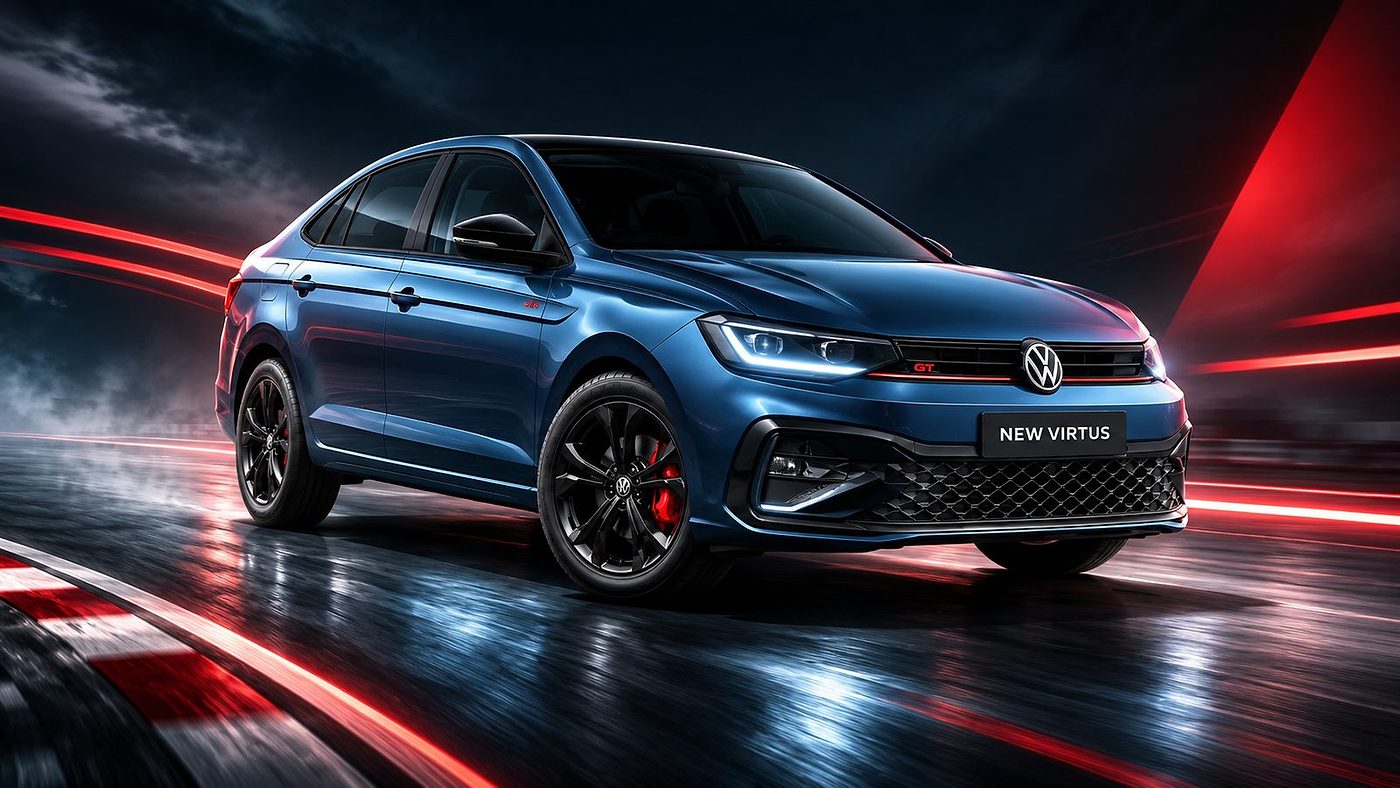
Think of this as a mid-life refresh, not a ground-up rebuild. VW has confirmed a new exterior design theme, revised lighting, and a GT badge that stays. Expect the big mechanical bits (the 1.0 TSI and 1.5 TSI engines) to carry over unchanged in power. The likely headline change under the skin is an 8-speed torque-converter automatic (a smooth, self-shifting gearbox) replacing the current 6-speed on the 1.0 TSI. Interior and feature details haven't been shown yet, so treat the cabin tech as expected, not confirmed.
Exterior: triangular styling, illuminated logo, 360-camera hints
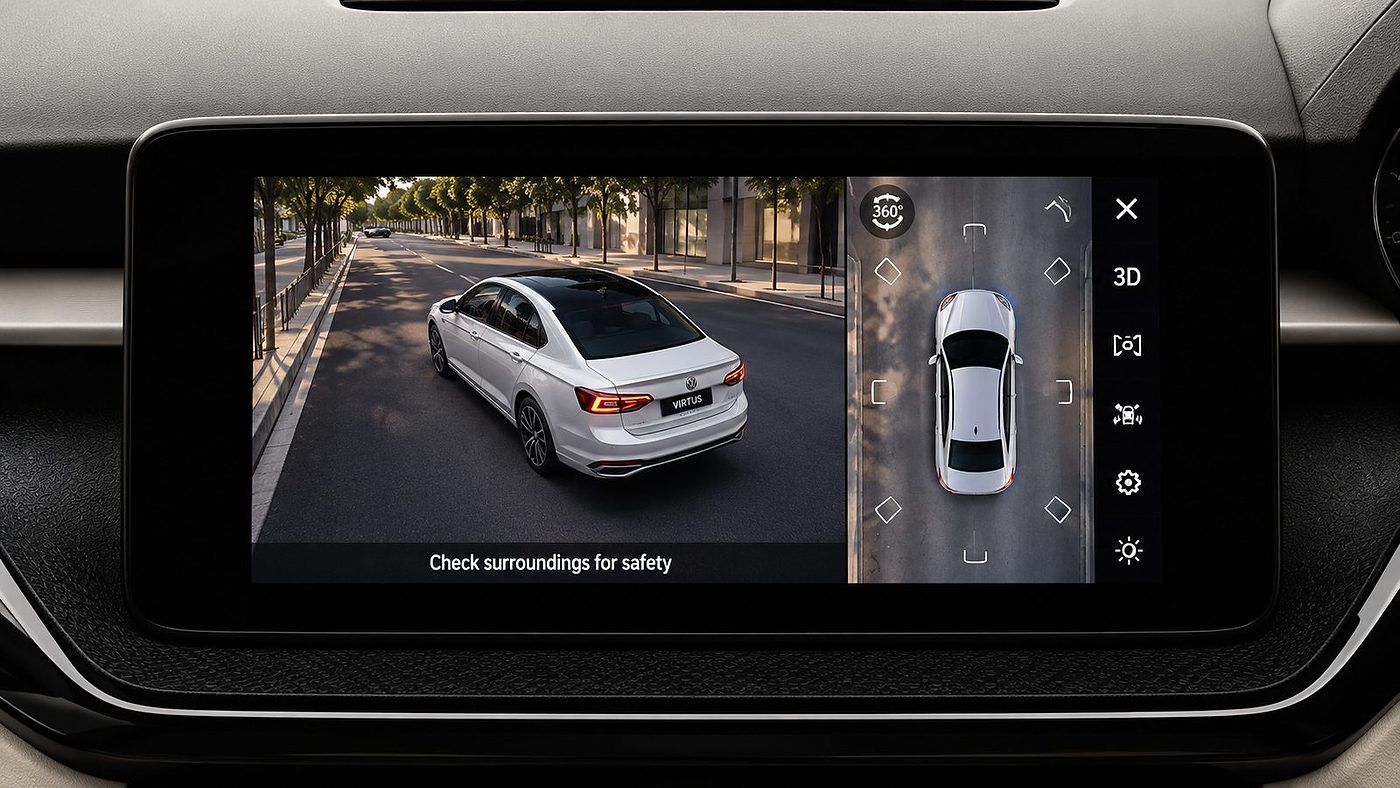
Right now the Virtus looks clean but quite plain, which is why this refresh matters. VW says the new car draws from "triangular geometry" for a sharper identity, while keeping the same body shape and proportions. The front gets a redesigned bumper, a revised grille and new lighting. At the rear, the LED tail-lamp pattern looks reworked, with the overall silhouette largely the same. New alloy wheel designs are expected. The first teaser also showed what looks like an illuminated VW logo and camera housings on the door mirrors, which hint at a 360-degree camera (a top-view parking aid). VW hasn't officially confirmed that camera yet.
Interior & features: 10.25-inch cluster likely, but ADAS still missing?
This is the biggest unknown. VW hasn't shown the new cabin or confirmed the feature list. Based on the refreshed Taigun and Skoda Kushaq, expect a 10.25-inch digital driver's display (the screen behind the steering wheel) and an updated infotainment interface. The current car already gets a 10-inch touchscreen, wireless Android Auto and Apple CarPlay, an electric sunroof, ventilated front seats and wireless charging on higher trims. The honest gap is ADAS (safety tech that can brake or steer for you). The Verna already offers Level-2 ADAS. There's no confirmation the Virtus facelift will add it, which could sting buyers shopping in this bracket.
Powertrain: 8-speed auto for 1.0 TSI, 1.5 DSG untouched
No big engine overhaul here. The 1.0 TSI makes 113 bhp and 178 Nm of torque (pulling power), and the 1.5 TSI EVO makes 148 bhp and 250 Nm. Both are expected to continue. The likely update is the 8-speed torque converter auto on the 1.0 TSI, in place of the 6-speed. That's good news for city drivers who want a relaxed automatic. The 1.5 GT keeps its 7-speed DSG (a fast dual-clutch auto). Current ARAI mileage (a government test, always higher than real driving) is 20.19 kmpl for the 1.0 manual, 18.7 kmpl for the 1.0 auto, and 19.62 kmpl for the 1.5 DSG. Any mileage change from the new gearbox isn't confirmed.
Volkswagen Virtus — Engine & performance
| Specification | Comfortline / Highline Plus +1 | Highline / Topline | GT Plus / Anniversary Edition |
|---|---|---|---|
| Fuel type | Petrol | Petrol | Petrol |
| Engine | 999 cc | 999 cc | 1498 cc |
| Max power | 113 bhp @ 5000-5500 rpm | 113 bhp @ 5000-5500 rpm | 148 bhp @ 5000-6000 rpm |
| Max torque | 178 Nm @ 1750-4000 rpm | 178 Nm @ 1750-4000 rpm | 250 Nm @ 1600-3500 rpm |
| Transmission | 6-Speed Manual | 6-Speed Automatic (Torque Converter) | 7-Speed DSG (DCT) |
| Drivetrain | FWD | FWD | FWD |
| Mileage | 20.19 kmpl | 18.70 kmpl | 19.62 kmpl |
Volkswagen Virtus facelift price (expected) & variants
VW hasn't announced prices yet. The current Virtus runs from ₹10.71 lakh (Comfortline manual) to ₹19.2 lakh (GT Plus DSG and the Anniversary Edition), all ex-showroom. On-road price adds road tax, registration and insurance, and varies by state. Facelifts from VW usually bring a small hike, so the ₹10.71 lakh base will likely creep up. The seven-trim line-up (Comfortline, Highline, Highline Plus, GT Line, Topline, GT Plus, Anniversary Edition) is expected to stay broadly the same, possibly reshuffled. We'll update exact variant-wise prices after the December 11 launch.
Volkswagen Virtus — Price by variant
| Variant | Ex-showroom price |
|---|---|
| Comfortline | ₹10.71 lakh |
| Highline | ₹13.51 lakh – ₹14.71 lakh |
| Highline Plus | ₹13.91 lakh – ₹15 lakh |
| GT Line | ₹14.35 lakh – ₹15.25 lakh |
| Topline | ₹15.16 lakh – ₹16.35 lakh |
| GT Plus | ₹18.85 lakh – ₹19.2 lakh |
| Anniversary Edition | ₹19.2 lakh |
(Current prices* as of Nov 2026)
Virtus vs Verna vs Slavia: where does the refresh leave VW?
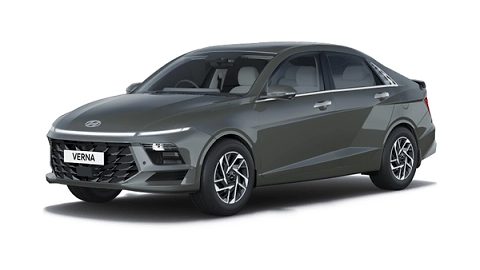
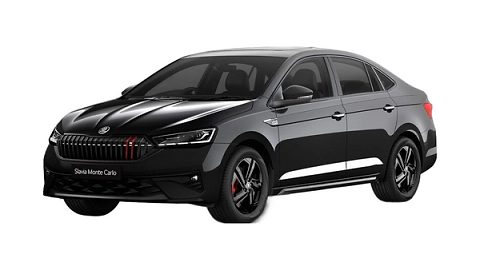
The Hyundai Verna (₹10.99–18.41 lakh) is the tech king here. It already packs Level-2 ADAS, a big 10.25-inch touchscreen, a digital cluster and a 360-degree camera on top trims. If the Virtus facelift skips ADAS, that's a clear gap at similar money. The Skoda Slavia (₹10–18.84 lakh) shares the Virtus's MQB platform and the same 1.5 TSI engine, and it was refreshed earlier with an updated cabin. So the Virtus is the last of this trio to get its mid-life update. VW's real edge stays the same: a planted, grown-up drive and that 5-star Global NCAP body.
Should you buy the Virtus facelift or wait for the first reviews?
If you love how a VW drives and you want a safe, solid petrol sedan, the Virtus still makes sense. But hold on a second. With the new 8-speed auto and unconfirmed feature list, the smart move is to wait a few weeks after December 11. Let the real prices, the full feature sheet and first ride reviews land before you book. If features like 360-camera and a bigger cluster do arrive and the hike stays small, the facelift looks like fair value for a buyer who prioritises safety and highway composure over gadgets. If ADAS matters to you, the Verna is still the one to beat.
References: Volkswagen India — official website