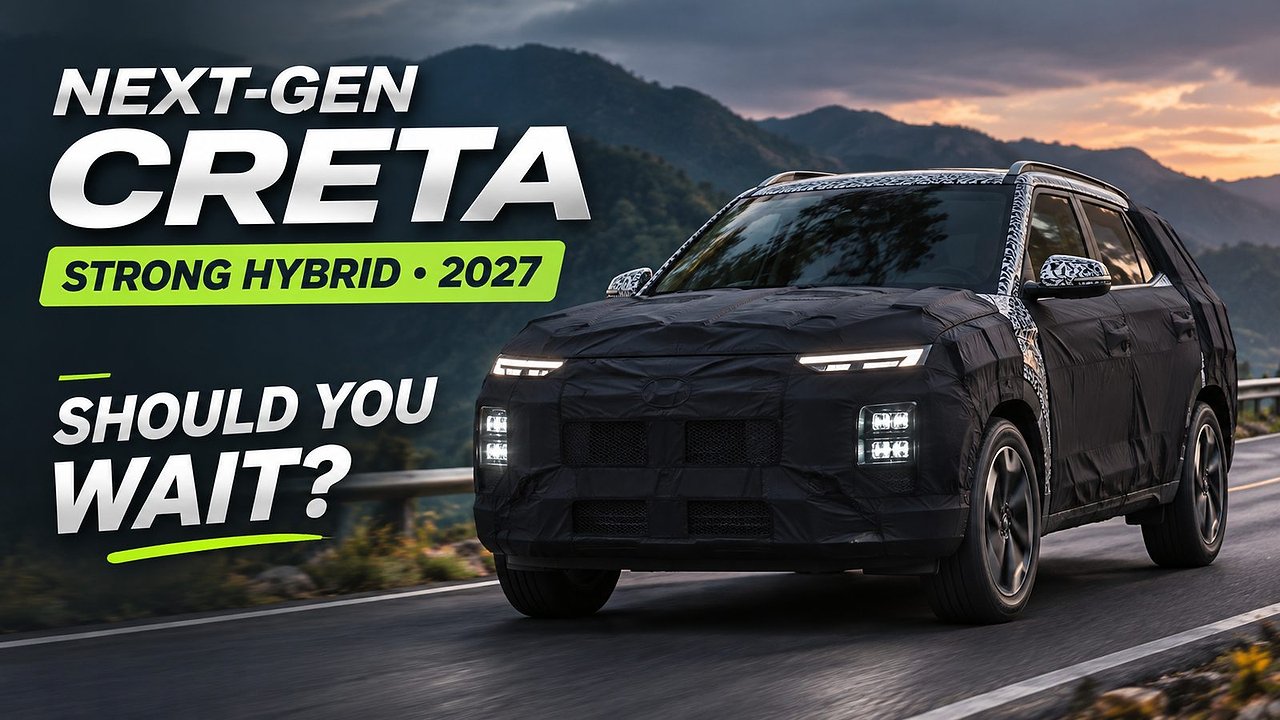
Kia is working on a full new-generation Sonet, codenamed QY2E, and the first test mules are out. The big news isn't just the new LED lights. It's the move to Kia's newer K1 platform, which should finally fix the one thing current Sonet owners keep complaining about: tight rear seat space. But here's the catch. The launch model keeps the same engines, and a proper hybrid is only coming in 2028.
2027 Kia Sonet: What actually changes?
This is a full generational jump, not a light facelift. The current Sonet sits on the K2 platform. The new one (codename QY2E) moves to Kia's newer K1 platform, the same base that made the latest Seltos roomier inside. More rear knee room is the headline gain. The new platform also brings a more modern electrical setup, which means over-the-air software updates (fixing and improving the car remotely) and remote diagnostics. In short: new skin, new bones, new screens, but the same engines at launch.
Exterior: split LED headlamps and boomerang DRLs
The current Sonet already looks sharp with its connected tail lamps and bold grille. The 2027 model pushes further with Kia's new global design look, borrowing bits from the new Seltos. Up front you get a redesigned grille with a honeycomb pattern, a split-style LED headlamp setup (lights stacked in two parts), and boomerang-shaped LED DRLs (the daytime running lights). Around the sides, expect new alloy wheels, updated wheel-arch cladding and flush-style roof rails. The rear gets slimmer LED tail lamps and a redesigned tailgate. It will look like a clear generation ahead of its rivals.
Interior: dual 12.3-inch screens and better rear space
The cabin is where the Sonet makes its biggest leap. Expect a twin-screen setup like the Kia Syros: a 12.3-inch touchscreen for infotainment and a 12.3-inch fully digital driver's display. This is a significant improvement over the current car's layout. The current Sonet's rear seat is on the tighter side for the class, and the new K1 platform exists mainly to fix this. So a family of four heading to Lonavala should sit more comfortably at the back. Kia Connect (the brand's connected-car tech) should carry over and get smarter.
Features & safety: Level 2 ADAS expected
The 2027 Sonet is expected to offer Level 2 ADAS (a safety tech that can brake and steer for you in traffic). That's a meaningful upgrade for a sub-compact SUV at this price. Pair that with the bigger screens and OTA updates, and the new Sonet should feel far more loaded than the car it replaces. Exact feature lists by variant aren't confirmed yet, so treat this as expected, not final.
Powertrain & mileage: same engines now, hybrid in 2028
Kia Sonet — Engine & performance
| Specification | HTE | HTE (O) / HTK Plus +1 | HTK (O) / HTK Plus (O) | GTX Plus / X Line |
|---|---|---|---|---|
| Fuel type | Petrol | Diesel | Petrol | Petrol |
| Engine | 1197 cc | 1493 cc | 998 cc | 998 cc |
| Max power | 82 bhp @ 6000 rpm | 114 bhp @ 4000 rpm | 118 bhp @ 6000 rpm | 118 bhp @ 6000 rpm |
| Max torque | 115 Nm @ 4200 rpm | 250 Nm @ 1500-2750 rpm | 172 Nm @ 1500-4000 rpm | 172 Nm @ 1500-4000 rpm |
| Transmission | 5-Speed Manual | 6-Speed Manual | 6-Speed iMT | 7-Speed DCT |
| Drivetrain | FWD | FWD | FWD | FWD |
| Mileage | 18.3 kmpl | 24.1 kmpl | 18.8 kmpl | 19.2 kmpl |
(Powertrain as of Nov 2026)
Here's the honest part. The 2027 Sonet launches with the same engine lineup as today. That means the 82 bhp 1.2-litre petrol (18.3 kmpl), the 118 bhp 1.0-litre turbo petrol (19.2 kmpl with the DCT auto), and the 114 bhp 1.5-litre diesel (up to 24.1 kmpl with the manual). The gearboxes carry over too: 5-speed and 6-speed manuals, the 6-speed iMT (clutchless manual), the 7-speed DCT and a 6-speed torque converter auto. The real reward comes later. Kia has confirmed a strong hybrid for the Sonet, expected around 2028, which should push real city mileage well past anything the petrols manage now.
Price & variants: expect a mild hike over ₹7.45-14.47 lakh
Kia Sonet — Price by variant
| Variant | Ex-showroom price |
|---|---|
| HTE | ₹7.45 lakh |
| HTE (O) | ₹7.88 lakh – ₹10 lakh |
| HTK (O) | ₹8.89 lakh – ₹11.09 lakh |
| HTK Plus | ₹9.28 lakh – ₹11.45 lakh |
| HTK Plus (O) | ₹9.76 lakh – ₹11.95 lakh |
| HTX | ₹11.6 lakh – ₹12.39 lakh |
| GTX Plus | ₹13.85 lakh – ₹14.47 lakh |
| X Line | ₹13.89 lakh |
Today's Sonet runs from ₹7.45 lakh for the HTE petrol manual to ₹14.47 lakh for the top diesel automatic (all ex-showroom; on-road adds road tax, registration and insurance, which varies by state). The popular auto trims are the HTK Plus (O) petrol DCT at ₹11.09 lakh and the GTX Plus diesel AT at ₹14.46 lakh. A new generation with a new platform and twin screens usually brings a price rise. Expect roughly ₹50,000 to ₹1 lakh more across the range, though Kia hasn't announced prices or a launch date yet.
Kia Sonet vs Venue vs Nexon: platform edge vs hybrid wait
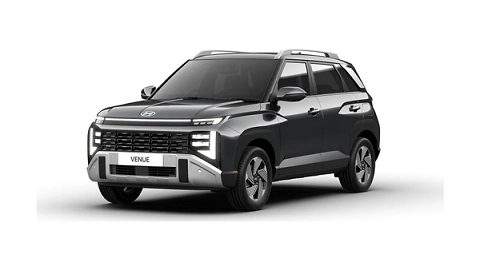

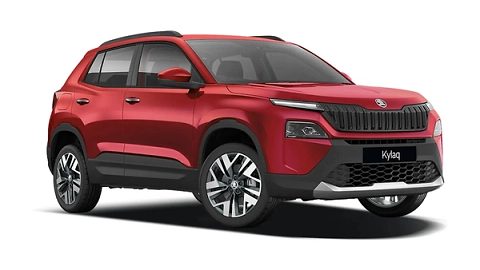
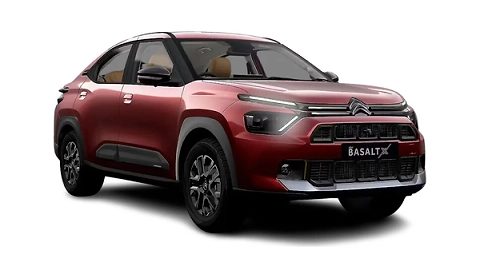
The Hyundai Venue, the Sonet's platform twin, is also expected to jump to the K1 base with similar space gains and the same dual screens. But the Sonet's split LED lamps and boomerang DRLs should set it apart on looks. Against cheaper rivals, the Sonet already sits a step above: the Nissan Magnite (₹5.69-11.16 lakh), Tata Punch (₹5.75-10.77 lakh), Hyundai Exter (₹5.81-10.43 lakh) and Renault Kiger (₹5.81-10.4 lakh) all top out below the Sonet's upper trims. The new Sonet's screens and ADAS widen that gap further, but so does its price.
Should you buy the 2027 Sonet or wait for the 2028 hybrid?
It comes down to your budget and your patience. If you're eyeing the ₹7-10 lakh petrol manual trims, the new Sonet makes sense the day it lands: more rear space, better screens, sharper looks, and the same proven engines. If you're spending ₹12-14 lakh on a top auto, think harder. The 2028 hybrid could be the smarter long-term buy, especially if you do a lot of heavy city driving, where a hybrid really saves fuel. If you need the extra rear knee room and the big screens now, the 2027 car fits the bill. If low running costs matter most, waiting 12-18 months for the hybrid may be worth it.
References: Kia India — official website