Volkswagen has confirmed the Virtus facelift for December 2026. The update follows the Skoda Slavia, its twin on the same MQB-A0-IN platform, so expect the same connected LED light bar and a larger digital cluster. The big question for buyers: wait two months for the new look, or grab year-end discounts on the current car?
Virtus facelift December 2026: what's actually changing
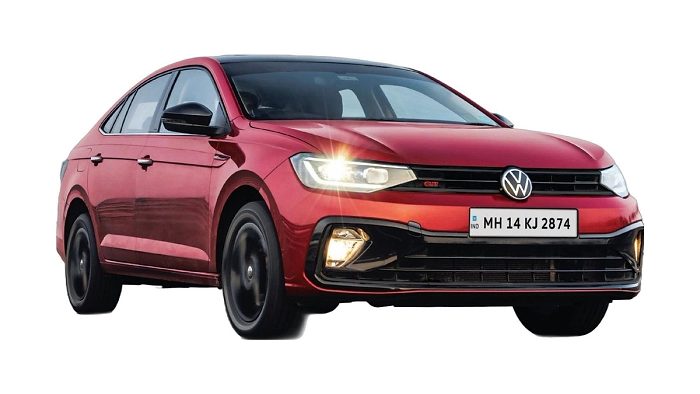
Volkswagen Virtus
SedanVolkswagen has confirmed the Virtus facelift arrives this December. This is a mid-life update (a refresh, not an all-new car), so the changes are mostly cosmetic and tech. The sedan sticks with the same 1.0 TSI and 1.5 TSI EVO turbo-petrol engines underneath. Think of it as the Virtus catching up with the already-updated Skoda Slavia in styling and screens. Calibrate your expectations: this is evolutionary, not a ground-up redesign.
Exterior: LED light bar, new bumpers and alloys
The front end gets the biggest makeover. You get a revised front fascia with tweaked headlamps, dual-function LED DRLs (the daytime running lights) and a connecting LED light bar with an illuminated VW logo. The bumpers front and rear are reworked, and new alloy wheel designs come in too. The tail lamps are also revised. The current Virtus already looks clean and grown-up, so these tweaks sharpen it rather than reinvent it.
Interior & tech: 10.24-inch digital cluster, rear massage seats
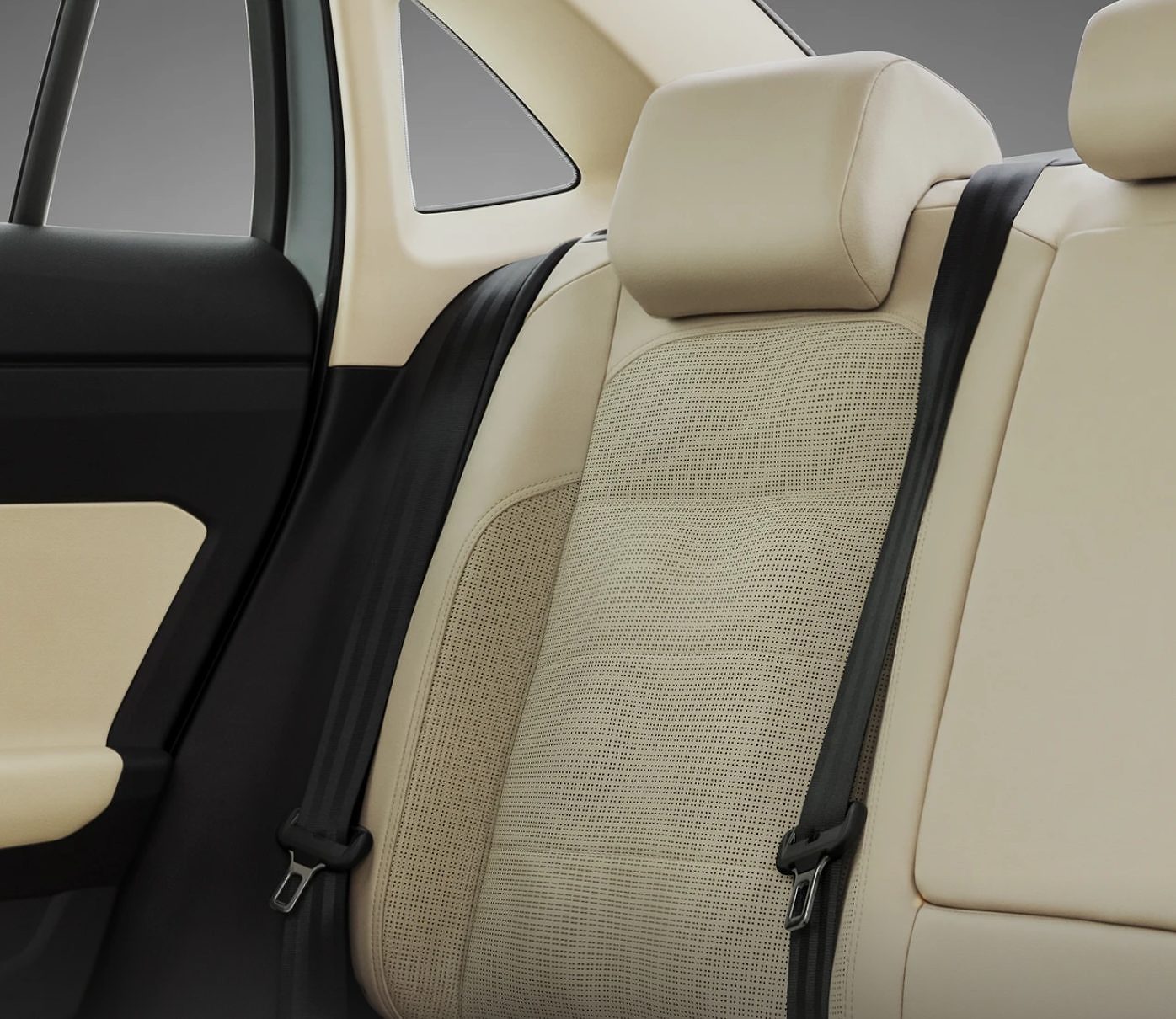
Inside, the cabin remains largely the same as the outgoing model, but it gets a fresh colour theme. The headline change is a larger 10.24-inch digital instrument cluster (the driver's screen behind the wheel) with built-in turn-by-turn navigation. The existing 10-inch touchscreen with wireless Android Auto and Apple CarPlay carries over. A new rear-seat massage function is expected, which is rare at this price. Automatic climate control, an electric sunroof, ventilated front seats and leatherette upholstery all stay on the higher trims.
Engine & mileage: 1.0 TSI and 1.5 TSI EVO carry over
Nothing changes under the bonnet. The regular Virtus keeps the 1.0 TSI turbo-petrol making 113 bhp, paired with a 6-speed manual or a 6-speed torque-converter automatic. The GT variants keep the punchy 1.5 TSI EVO making 148 bhp with a 7-speed DSG (a fast dual-clutch automatic). ARAI mileage (a government test that always reads higher than real driving) stays at up to 20.19 kmpl for the 1.0 manual; expect roughly 13–15 kmpl in real city use. The 521-litre boot easily swallows a family's weekend bags for a Lonavala run, and the 45-litre tank gives a long highway range.
Expected price: ₹10.71–19.20 lakh plus a small premium
Volkswagen Virtus — Price by variant
| Variant | Ex-showroom price |
|---|---|
| Comfortline | ₹10.71 lakh |
| Highline | ₹13.51 lakh – ₹14.71 lakh |
| Highline Plus | ₹13.91 lakh – ₹15 lakh |
| GT Line | ₹14.35 lakh – ₹15.25 lakh |
| Topline | ₹15.16 lakh – ₹16.35 lakh |
| GT Plus | ₹18.85 lakh – ₹19.2 lakh |
| Anniversary Edition | ₹19.2 lakh |
(Current prices before the facelift)*
The current Virtus runs from ₹10.71 lakh for the Comfortline manual to ₹19.20 lakh for the GT Plus Anniversary Edition DSG (all ex-showroom). The facelift should carry a ₹30,000–50,000 premium per variant for the new kit. That means the base Comfortline may creep towards ₹11 lakh and the top GT Plus closer to ₹19.5 lakh. Remember, on-road price adds road tax, registration and insurance, and that varies by state, so check your RTO. The sweet-spot GT Line manual at ₹14.35 lakh and the Highline Plus at ₹13.91 lakh remain the smart picks for most buyers.
Virtus facelift vs Slavia, Verna and City
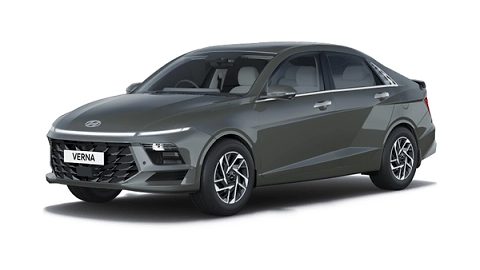
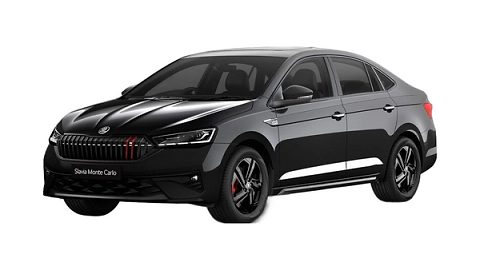
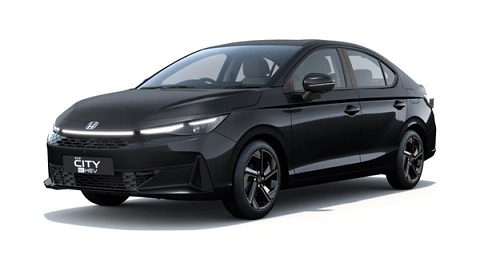
The Skoda Slavia (₹10.00–18.84 lakh) is the Virtus twin and already got this exact facelift with the LED light bar and digital cluster, so the VW simply mirrors it, likely at a near-identical premium. The Hyundai Verna (₹10.99–18.41 lakh) offers Level 2 ADAS (safety tech that can brake for you) which the Virtus still lacks, so if driver-assist matters, the Verna pulls ahead. The Virtus wins on its German build, 5-star Global NCAP safety and that eager GT engine.
Should you wait or buy the current Virtus now?
If you want the new LED styling and the bigger digital cluster, December is only two months away, so waiting makes sense. But if features and price matter more than fresh cosmetics, the outgoing Virtus may now see year-end discounts worth ₹40,000–60,000. The engines, gearboxes and core safety are all unchanged, so you lose nothing mechanical by buying the current car. For a value-focused buyer, a discounted current Highline Plus or GT Line is genuine *paisa vasool*. Wait only if the massage seats and new face truly tempt you.
References: Volkswagen India — official website