The Renault Triber has one big claim: it's the cheapest way to seat seven in a modern car. The facelift keeps that crown, but the price of entry has gone up. The base variant now starts at ₹6.30 lakh, up from ₹5.81 lakh before. So the real question isn't whether the Triber is cheap. It's whether the refresh is worth the extra ₹50,000.
Renault Triber price: ₹6.30 lakh new vs ₹5.81 lakh old
The outgoing Triber ran from ₹5.81 lakh (Authentic MT) to about ₹9 lakh for the top petrol trims, all ex-showroom. The facelift now opens at ₹6.30 lakh, a jump of roughly ₹49,000 on the base car. That's an 8–9% hike at the entry point, which matters a lot in a segment where buyers count every rupee. On the old price list the trims went Authentic (₹5.81 lakh), Evolution (₹6.74 lakh), Techno (₹7.44 lakh) and Emotion (₹8.05 lakh), with the 99 bhp turbo variants and extra kit pushing the top end near ₹9 lakh. Remember, ex-showroom is not the final number. On-road price adds road tax, registration and insurance, and that changes state to state, so check your local RTO.
Renault Triber — Price by variant
| Variant | Ex-showroom price |
|---|---|
| Authentic | ₹5.81 lakh |
| Evolution | ₹6.74 lakh – ₹7.85 lakh |
| Techno | ₹7.44 lakh – ₹8.54 lakh |
| Emotion | ₹8.05 lakh – ₹9 lakh |
(Current price* as of Nov 2026)
Exterior: what's new over the 2019 look?
First, the anchor. The current Triber is a tall, boxy small MPV with a simple face and 15-inch wheels. It's practical-looking, not flashy. The facelift is expected to freshen the front end, think a redesigned grille, new LED DRLs (the daytime running lights that stay on) and tweaked bumpers. New alloy wheel designs and fresh paint shades are the usual facelift moves too. But the basic shape and 182 mm-ish ground clearance (how high the car sits, useful on broken Indian roads) carry over. This is a nip-and-tuck, not a new car.
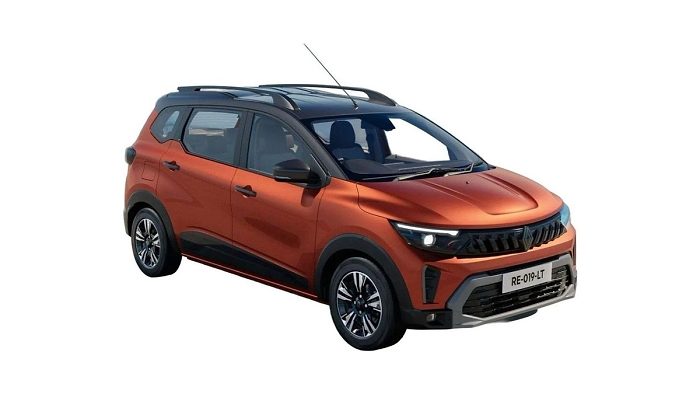
Renault Triber
MUV/MPVInterior and tech: cabin refresh
Inside, the Triber's biggest trick stays the same: its modular third row. You can slide, fold or fully remove the last two seats, turning the 7-seater into a van-like load carrier for a big grocery run or a house shift. The facelift is likely to bring a bigger touchscreen, refreshed dashboard trim and new upholstery on higher trims. Renault has leaned on a 8-inch touchscreen and digital-style instruments on the outgoing car, so expect those to grow or get sharper graphics. The core space, enough for a family of five plus two kids on the Lonavala trip, doesn't change.
Features and safety: the kit you get
The outgoing Triber already offered dual front airbags, ABS and rear parking sensors even on lower trims, which is decent for the price. The facelift is expected to add more safety kit and connected features, which is where part of that ₹50,000 hike likely goes. We'd want to see four airbags as standard and connected-car tech (an app to check the car remotely) on the top variants to justify the premium. There's no mention of ADAS (safety tech that can brake for you) on the Triber, which is fair given the price point. Confirm the exact airbag count and feature list at the dealer before you sign.
Engine and mileage: unchanged, and that's fine
No surprises here. The Triber carries over its 1.0-litre petrol with 71 bhp @ 6,250 rpm, paired to a 5-speed manual or AMT (auto-clutch gearbox, no clutch pedal). The peppier 99 bhp turbo-petrol @ 5,000 rpm sits on higher trims for buyers who want more punch on the highway. Claimed mileage is 18.20–19.00 kmpl on ARAI's test (a government test that always reads higher than real driving), so expect roughly 14–16 kmpl in real city use. The CNG option continues across Authentic, Evolution, Techno and Emotion, a big deal in this segment where running cost decides the sale. On CNG, your per-km cost drops sharply, which is why fleet and family buyers love it.
Renault Triber — Engine & performance
| Specification | Renault Triber |
|---|---|
| Fuel type | Petrol + CNG (dealer-fit retrofit kit) |
| Engine | 999 cc |
| Max power | 71 bhp @ 6,250 rpm |
| Max torque | 96 Nm @ 3,500 rpm |
| Transmission | 5-Speed Manual |
| Drivetrain | FWD |
| Mileage | 18.20 - 19.00 kmpl |
A quick word on flex-fuel and E20 petrol
India now sells E20 petrol (20% ethanol mixed with 80% petrol) at most pumps. The good news: the Triber's petrol engine runs fine on it. The small catch: ethanol has a bit less energy than pure petrol, so you may see a tiny dip in mileage, usually 2–5%. Flex-fuel cars that take even higher ethanol blends like E85 aren't here yet for the Triber. For now, just fill whatever your local pump has and don't worry about it.
Triber vs Eeco, Gravite and Ertiga: where it sits
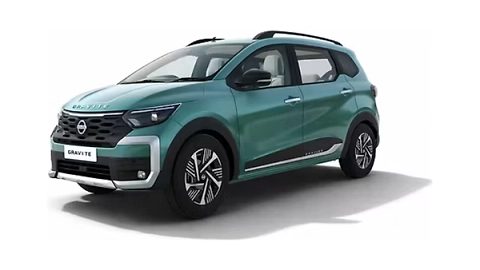
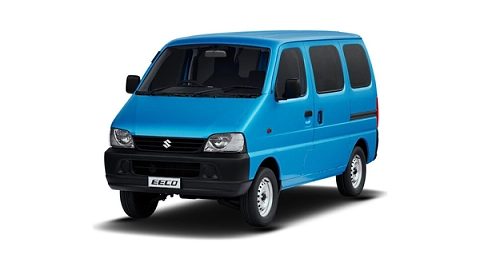
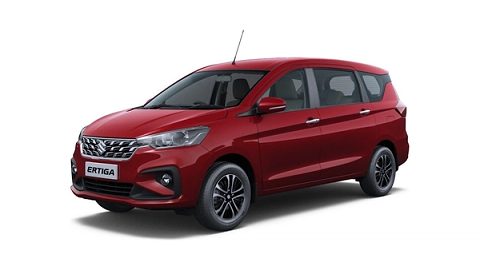

At ₹6.30 lakh, the Triber facelift bumps right up against the Maruti Suzuki Eeco, which tops out at ₹6.46 lakh. But the Triber gives you a proper modern car body and flexible 7-seating, while the Eeco is still a basic van at heart. The Nissan Gravite (₹5.73–9.20 lakh) is essentially the Triber's twin, so it's a toss-up on badge and dealer deal. Step up and the Maruti Suzuki Ertiga starts at ₹8.90 lakh, a full ₹2.60 lakh above the Triber's base. The Ertiga is roomier and more powerful, but for a tight budget the Triber undercuts it by a wide margin.
Verdict: pay the premium or grab old stock?
The Triber's whole case is value, so the ₹50,000 hike needs to earn its keep. If the facelift adds real kit, more airbags, a bigger screen, connected tech, then ₹6.30 lakh is still a bargain for a 7-seater. It stays India's cheapest way to seat seven and undercuts the Ertiga by over ₹2.60 lakh. But if the update turns out to be mostly cosmetic, hunt for leftover old stock at ₹5.81 lakh while dealers still have it. The Triber makes sense for a growing family that needs seven seats sometimes and a big boot the rest of the time, without stretching past ₹7 lakh. If low running cost is your top worry, the CNG variants are the sweet spot.
References: Renault India — official website