October 2026 quietly rewrote India's EV playbook. A sub-₹13 lakh electric SUV moved more than 5,000 units in a single month, a mark no battery car had hit before. The Tata Punch EV didn't just beat its rivals; it proved that demand for affordable EVs is real, not hype.
The 5,000-unit milestone: what it really proves
In October 2026, the Tata Punch EV crossed 5,000 monthly wholesale dispatches (cars sent from the factory to dealers, not final customer deliveries). No standalone electric car in India had done this before. That's at least 6.3% growth over September, and the Punch EV has topped the EV car chart in three of the last four months. One caveat, though. Wholesale is not the same as retail. So a 5,000 number doesn't mean 5,000 families drove one home in October. If you book now, ask your dealer about the waiting period before you plan around it.
Tata Punch EV price and variants: what each ₹ gets you
The Punch EV currently starts at ₹9.79 lakh following a September 2026 revision, according to reports, and goes up to ₹12.99 lakh (ex-showroom, so add road tax, registration, and insurance for the on-road price, which varies by state). The base Smart trim gets the 30 kWh pack with 87 bhp. The Smart Plus starts at ₹10.39 lakh (30 kWh) and jumps to ₹11.19 lakh if you want the bigger 40 kWh battery with 127 bhp. The Adventure at ₹11.94 lakh brings the electric sunroof and more kit. Top it out with the Empowered Plus S at ₹12.99 lakh for the 360° camera, blind-spot monitor, and ventilated leatherette seats. Tata also offers Battery-as-a-Service, which cuts the upfront price but adds a monthly battery fee, so compare the full ownership cost, not just the lower sticker.
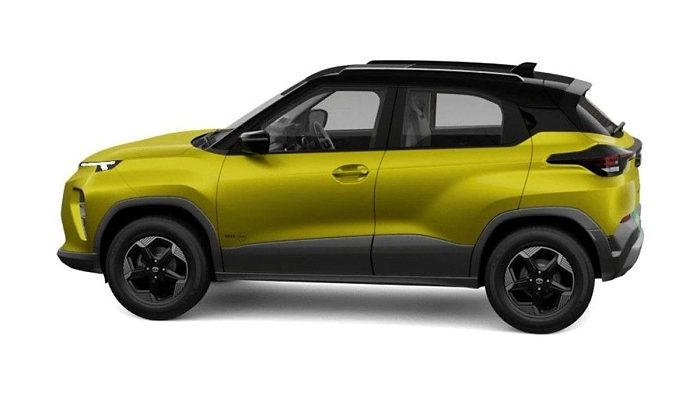
Tata Punch EV
SUV30 kWh vs. 40 kWh: Which pack fits your commute?
Two LFP batteries, two very different buyers. The 30 kWh pack makes 87 bhp with a claimed 365 km (MIDC test, always higher than real driving) and does 0-100 km/h in 13.5 seconds. The 40 kWh pack bumps that to 127 bhp, a claimed 468 km, and a quicker 9.0-second sprint to highway speed. Both get 154 Nm of instant torque (pulling power you feel from a standstill). If your daily run is under 60 km of city driving, the 30 kWh is enough and saves you money. Pick the 40 kWh if you do weekend highway trips to Lonavala or need the extra cushion.
Real range, charging speed, and running cost
Treat the claimed figures as the ceiling. Real-world range is usually about 70% of the MIDC number. So the 40 kWh pack's 468 km claim means roughly 320-330 km in mixed use, less on the highway, where speeds eat the battery faster. The 30 kWh's 365 km claim works out to around 250 km real. Charging is quick on a DC fast charger: 10-80% in about 30 minutes (65 kW), handy on a long trip if a charger sits on your route. At home, a 7.2 kW AC wallbox takes 4.5 to 5.3 hours for a full charge. Running cost is where it shines. Home charging works out to about ₹1-1.5 per km versus ₹6-9 per km for petrol, so you save 5-7 times on fuel. For a city user doing 1,500 km a month, that's a saving of several thousand rupees every month. Note: There's no central cash subsidy on electric cars. Some states waive road tax or registration (Delhi, Maharashtra, and Gujarat all differ), so check your RTO.
Punch EV vs. Mahindra XUV 9S: the sales battle explained
This is the juicy bit. In August 2026, Mahindra's XEV 9S briefly led with 4,508 units against the Punch EV's 4,430, a thin gap of just 78 cars. Tata hit back in September with 4,702 units to Mahindra's 4,636, then broke 5,000 in October. But here's the honest context. These two don't really compete on product. The XEV 9S is a much bigger, pricier SUV starting around ₹21 lakh plus, nearly ₹9-13 lakh above the Punch EV. So the Punch EV's win is about topping the EV sales rank, not beating the Mahindra head-to-head. If you want size and premium features, the Mahindra is a different class. If you want an affordable first EV, the Punch is the obvious pick.

Features and safety: why the 5-star rating matters
The Punch EV carries a 5-star Bharat NCAP rating, a big draw for family buyers. Six airbags, ESP (stability control that helps stop skids), ABS with EBD, and ISOFIX child-seat mounts come standard across the range. Move up the trims, and you get a 360° surround-view camera, a blind-spot view monitor, and an electric sunroof. The cabin is well stocked too: a 26.03 cm HARMAN touchscreen, a 26.03 cm digital driver's display, ventilated leatherette front seats, a wireless charger, and an air purifier on higher trims. There's also multi-mode regenerative braking (4 levels, controlled by paddles) and single-pedal drive, which recovers energy as you lift off the throttle.
Should you buy the Punch EV now, or wait?
Buy now if you're a city commuter or a first-time EV buyer with a budget under ₹13 lakh. Pick the 30 kWh Smart Plus if your daily run is short, or the 40 kWh if you want a weekend highway range. The 5-star safety and low running cost make it genuine *paisa vasool* for daily use. But wait if you need more than 500 km of real range or want ADAS (safety tech that can brake for you), which the Punch doesn't offer. In that case, Tata's own Nexon EV or Curvv EV steps up. Our pick for most buyers: the 40 kWh Smart Plus at ₹11.19 lakh, which gives you the longer range and stronger motor without paying for the top-trim extras.
References: Tata India — official website
Read next
- Tata Safari EV now set for January 2027 launch at ₹22.5 lakh, should you just buy the Harrier EV?
- Tata sells 50,000+ cars in 10 days of Navratri; Nexon, Punch waits hit a month
- Tata Aeris launched at Rs 5.29 lakh. Petrol and CNG, 18 variants, six airbags standard
- Do you need 7 electric seats? Safari EV arrives late 2026