

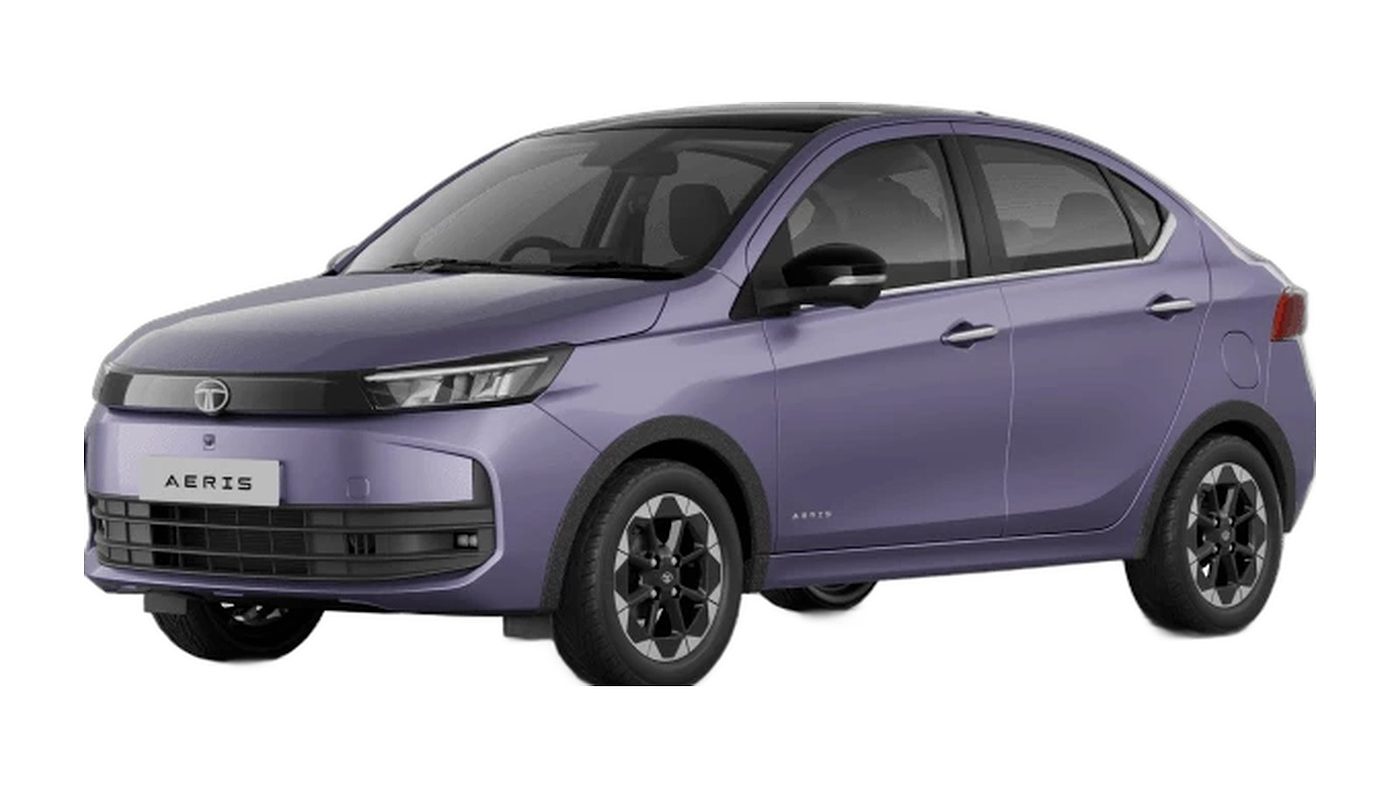
Tata has launched the Aeris, a new compact sedan that sits under four metres. Prices start at Rs 5.29 lakh for the petrol and Rs 6.29 lakh for the iCNG, both introductory and ex-showroom. The range tops out at Rs 9.74 lakh. Bookings are open.
This is a new nameplate rather than a replacement, and it slots into the sub-four-metre sedan class against the Maruti Dzire, the Hyundai Aura and Tata's own Tigor.
Engines and gearboxes
There is one engine, the 1.2-litre three-cylinder Revotron, offered as petrol or as a factory-fitted iCNG bi-fuel. Both can be had with a 5-speed manual or a 5-speed AMT. Being able to pair CNG with an automatic is still uncommon at this price.
| Fuel | Engine | Power | Torque | Gearbox |
|---|---|---|---|---|
| Petrol | 1.2 litre Revotron, 3 cylinder | 85 bhp at 6,000 rpm | 113 Nm at 3,300 rpm | 5 speed manual or AMT |
| iCNG | 1.2 litre Revotron iCNG, bi-fuel | 74 bhp at 6,000 rpm | 96 Nm at 3,500 rpm | 5 speed manual or AMT |
Tata has not published an ARAI mileage figure for either fuel yet, so there is no official efficiency number to quote.
The iCNG keeps its boot
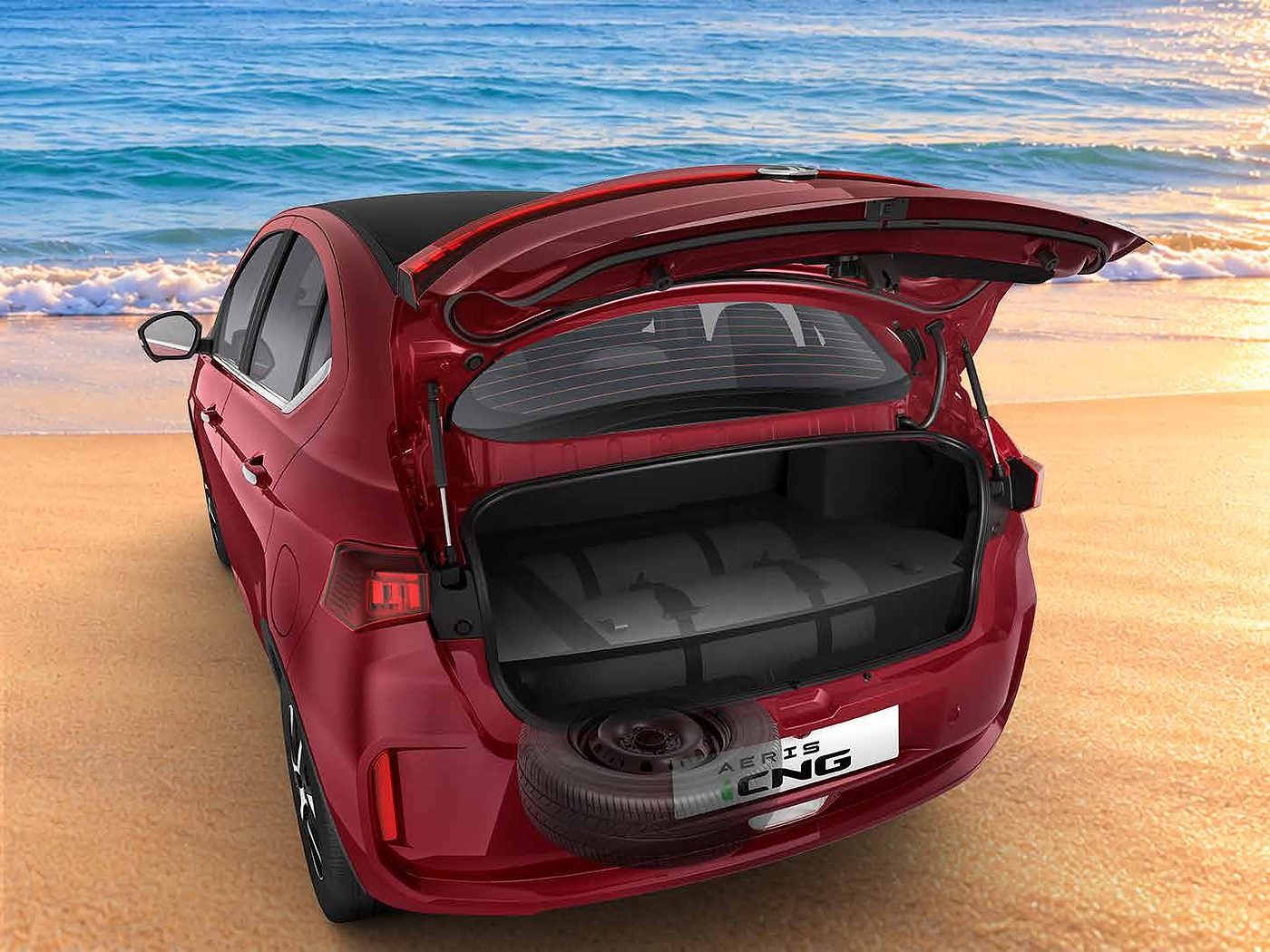
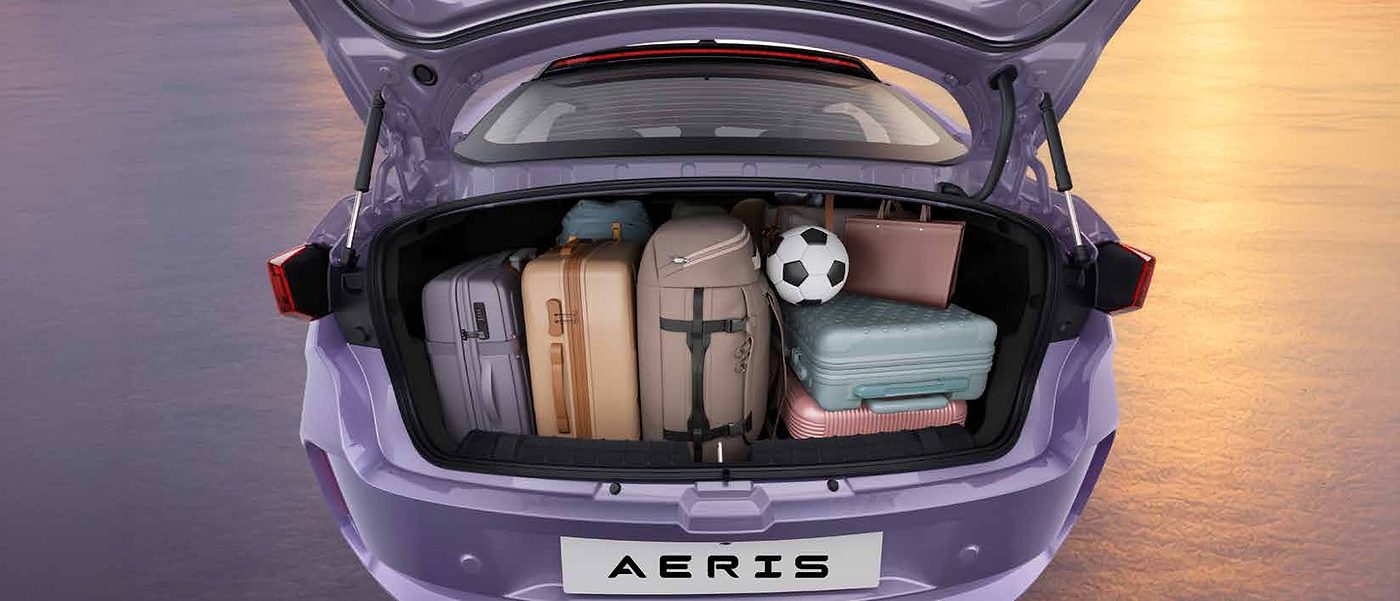
The CNG car uses two smaller cylinders under the boot floor instead of one large tank. That is the reason the 419-litre boot stays usable on the CNG version, which has been the usual compromise with factory CNG sedans.
Prices, variant by variant
Eighteen variants across five personas. All prices are introductory and ex-showroom.
| Persona | Petrol MT | Petrol AMT | iCNG MT | iCNG AMT |
|---|---|---|---|---|
| Smart | Rs 5.29 lakh | not offered | Rs 6.29 lakh | not offered |
| Pure | Rs 6.14 lakh | Rs 6.69 lakh | Rs 7.14 lakh | Rs 7.69 lakh |
| Pure Plus | Rs 6.74 lakh | Rs 7.29 lakh | Rs 7.74 lakh | Rs 8.29 lakh |
| Creative | Rs 7.49 lakh | Rs 8.04 lakh | Rs 8.49 lakh | Rs 9.04 lakh |
| Accomplished | Rs 8.19 lakh | Rs 8.74 lakh | Rs 9.19 lakh | Rs 9.74 lakh |
Safety is standard, the rest is not
Six airbags are standard on every variant, with ABS and EBD and three-point seatbelts with reminders for all five seats. That applies to the Rs 5.29 lakh Smart as much as the top car.

The Aeris has not been crash-tested by Bharat NCAP or Global NCAP so far, so there is no star rating to go on yet.
What each persona adds
Equipment climbs steeply as you move up, and most of the kit people will want sits in the top two.
| Persona | What it adds |
|---|---|
| Smart | Six airbags, 12.7 cm Digital Island cluster, Halo Lightbar tail lamps, R14 steel wheels, rear parking sensors, manual air conditioning |
| Pure | Bluetooth audio in the cluster, 2 speakers, all four power windows, height-adjustable driver seat, electrically adjustable mirrors, rear defogger |
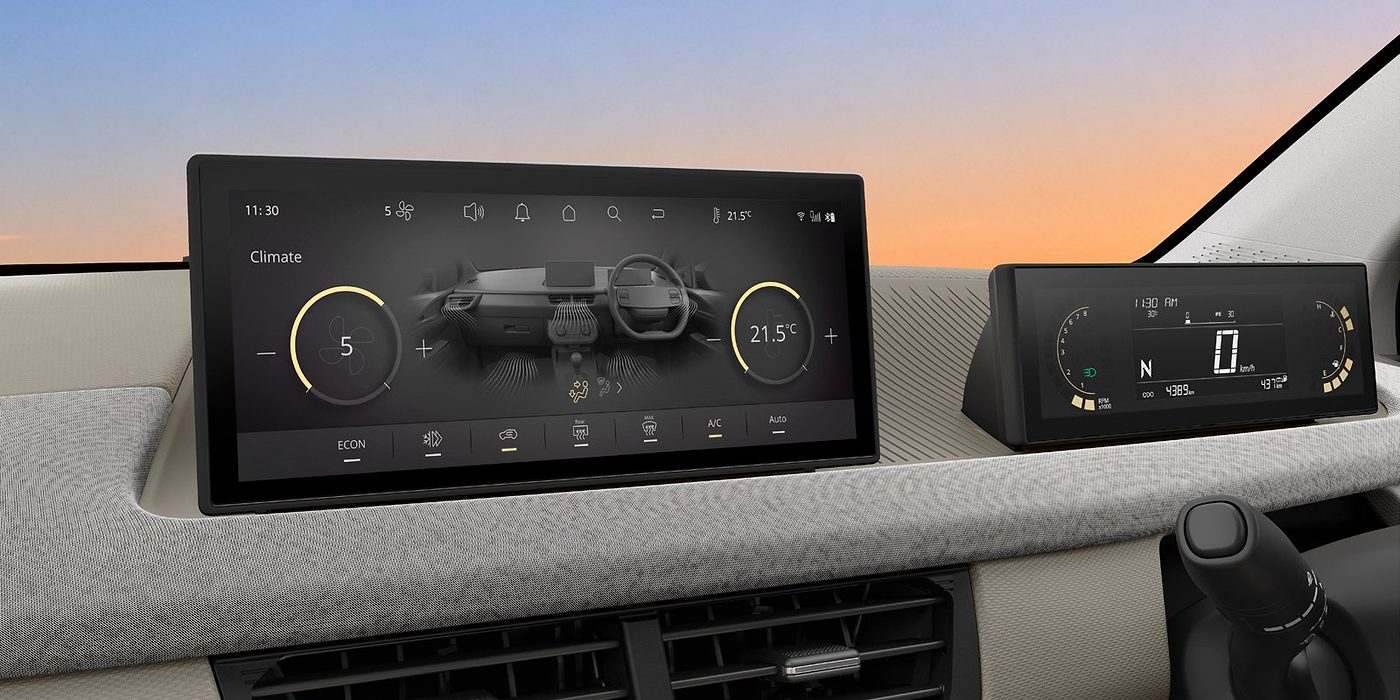
| Pure Plus | 20.32 cm touchscreen, 4 speakers, reverse camera, wireless Android Auto and Apple CarPlay, rear AC vents, cruise control, ESP with traction control, hill hold |
| Creative | 26.03 cm Ultra View touchscreen, 360 degree camera, signature LED headlamps, Blind View Monitor, automatic climate control, rain-sensing wipers, push-button start |
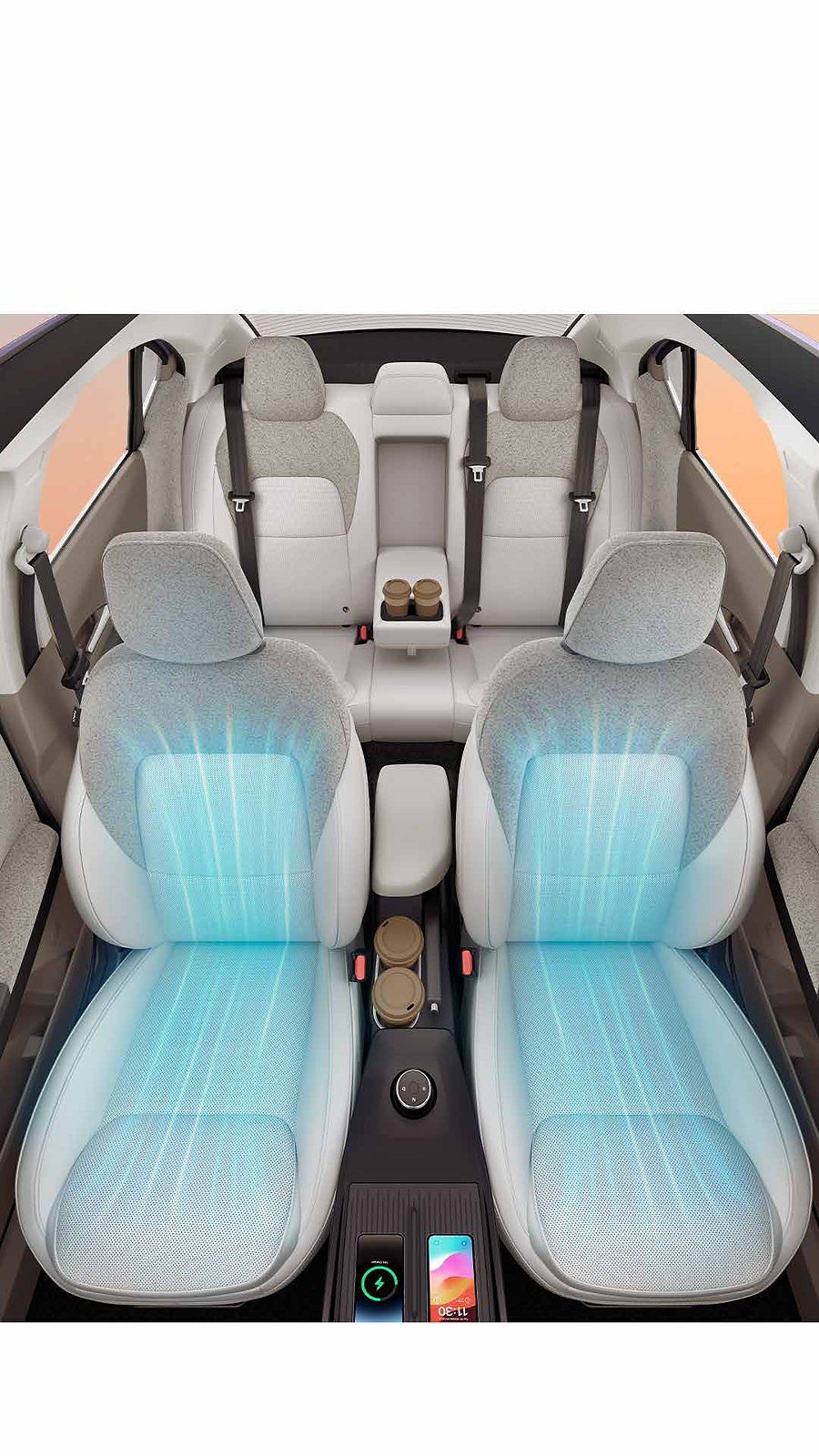
| Accomplished | Ventilated leatherette front seats, dashcam, wireless charging deck, iRA connected car tech, LED fog lamps, dual-tone roof |
Things to check before you pick a variant
A few features are tied to a specific fuel or gearbox. The R15 Diamond Aero alloy wheels are petrol only, on Creative and Accomplished. Cruise control is not offered on the CNG automatic. The dual-tone black roof is limited to the Accomplished. The Smart is manual only in both fuels.
Size, boot and warranty
The Aeris is 3,995 mm long with a 2,450 mm wheelbase and 170 mm of ground clearance. The boot holds 419 litres and it seats five. Tata is offering a 3 year or 100,000 km warranty.
Six colours are on offer: Dandeli Drizzle, Dune Glow, Nitro Crimson, Daytona Grey, Pure Grey and Pristine White.
How it sits against its rivals
The sub-four-metre sedan class is one of the most fought-over in India, and the Aeris walks into it against the Maruti Dzire, the Hyundai Aura and the Honda Amaze. On paper the Aeris undercuts most of them on entry price while starting with six airbags, which several rivals still reserve for higher trims or charge extra for. Where it gives ground is outright engine output. An 85 bhp naturally aspirated three-cylinder is competitive rather than class-leading, and there is no turbo-petrol option at all.
The factory iCNG is the sharper argument. Rivals do offer CNG, but pairing it with an automatic is rare, and the twin-cylinder packaging means you are not choosing between running costs and a usable boot. For anyone doing high monthly mileage in a city, that combination is the reason to look at this car over the obvious alternatives.
Which one to buy
The Smart at Rs 5.29 lakh is the headline price, but it is a genuinely basic car: steel wheels, manual air conditioning, two speakers and no touchscreen. It reads as a fleet and first-car variant. Most private buyers will want to start at Pure Plus, which is where the touchscreen, rear AC vents, wireless phone mirroring and ESP arrive, at Rs 6.74 lakh for the petrol manual.
Creative is the sweet spot if the budget stretches. It brings the larger 26.03 cm screen, the 360-degree camera, LED headlamps and automatic climate control for Rs 7.49 lakh, which is a lot of equipment for the money. The Accomplished is worth it mainly for the ventilated seats and the dashcam, and those matter more in hotter cities.
On fuel, the iCNG carries roughly a Rs 1 lakh premium over the equivalent petrol. If you are driving enough to care about running costs, that pays back quickly. If the car will mostly sit in city traffic doing short runs, the petrol is the simpler choice, and it is the quicker one.