Level 2 ADAS used to sit only in cars costing ₹40 lakh and up. Not anymore. Today you can get adaptive cruise control (keeps a set gap from the car ahead) and auto-emergency braking (brakes on its own to avoid a crash) for well under ₹25 lakh. The Honda Amaze now offers it from just ₹8.66 lakh, ex-showroom.
What is Level 2 ADAS, and does it help on Indian roads?
Level 2 ADAS is a mix of cameras, radar sensors and software that helps the driver but does not replace you. It can brake by itself if a crash looks likely, keep the car centred in its lane, and hold a safe gap from the car ahead in traffic. On the Mumbai-Pune Motorway, adaptive cruise takes the strain off your right foot for hours. In city traffic, auto-braking can catch a scooter that cuts in front. But be honest about it: you still keep both hands on the wheel and stay alert. It is a safety net, not a chauffeur.
Honda Amaze at ₹8.66 lakh: what Honda Sensing actually gives you
The third-gen Honda Amaze is India's cheapest Level 2 ADAS car at ₹8.66 lakh, ex-showroom. It brings Honda Sensing, the same core tech Honda uses in pricier cars, to a compact sedan. You get adaptive cruise, lane-keep assist and auto-braking here. Beyond ADAS, the Amaze runs a refined 1.2-litre petrol, offers a smooth CVT automatic (no gear jerks in traffic), and packs six airbags. Buy this if you want the most affordable ADAS car and easy, no-fuss city driving. It is genuine paisa vasool for a first-time safety-focused buyer.
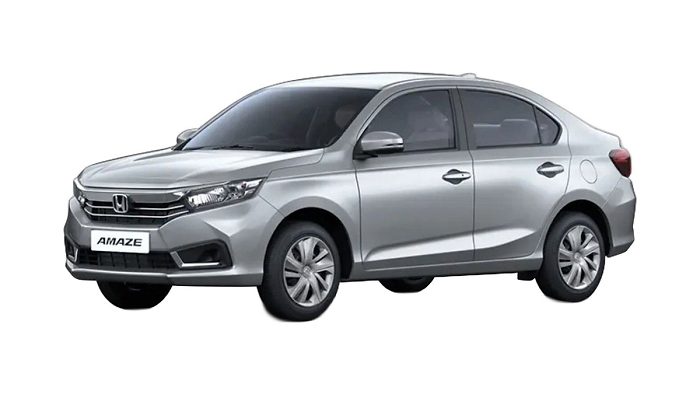
Amaze
SedanCompact SUVs under ₹15 lakh: XUV 3XO vs Nexon vs Venue
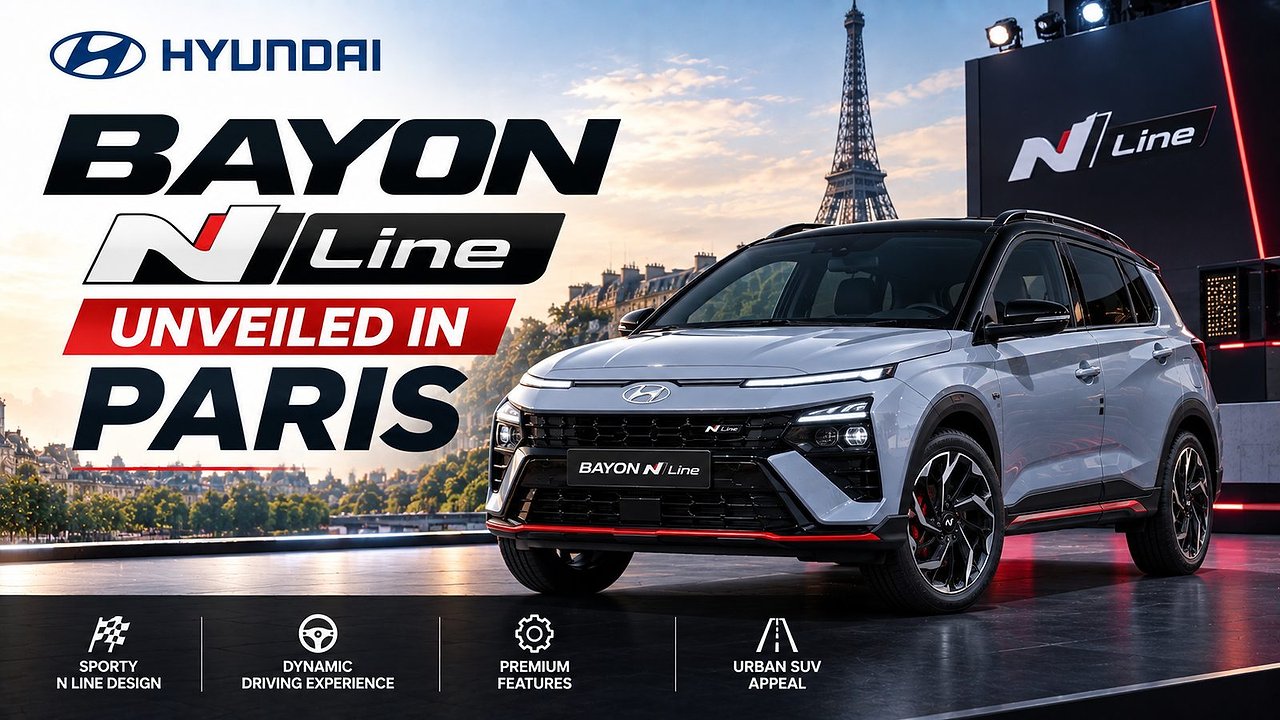
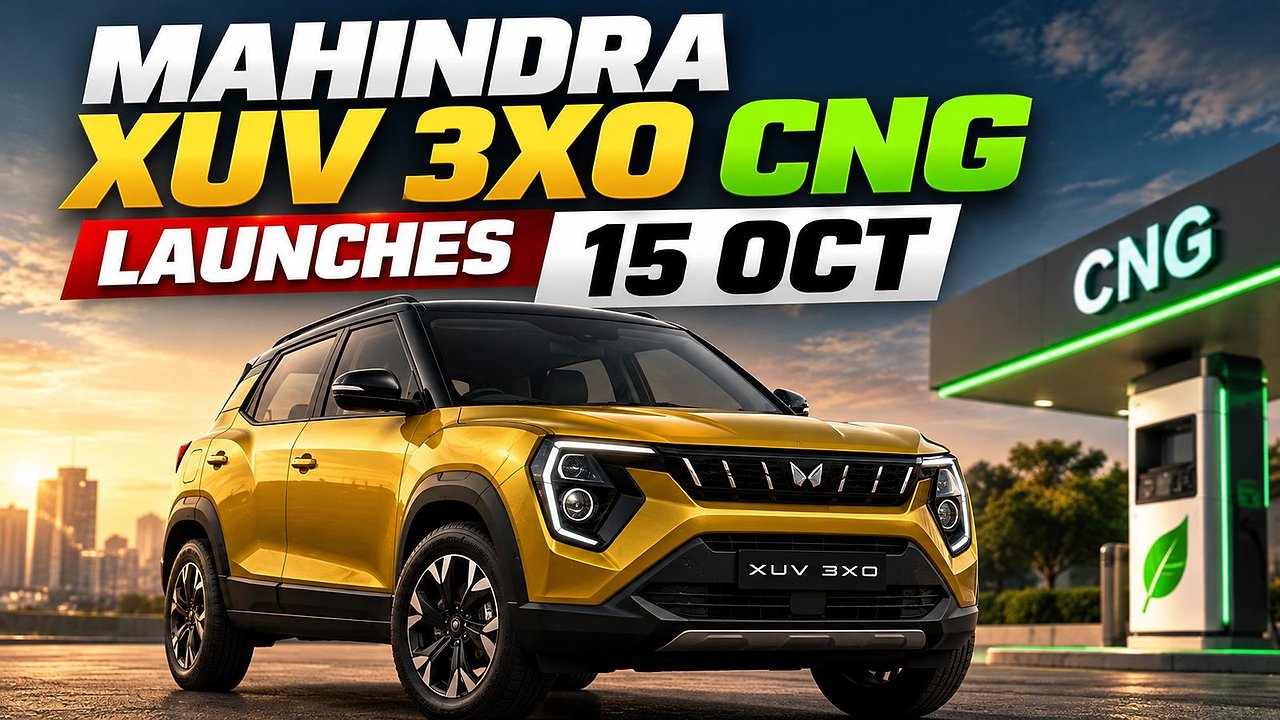
Three popular sub-4m SUVs now bring ADAS below ₹15 lakh, ex-showroom. The Mahindra XUV 3XO uses a radar-based system on its AX5 L and AX7L trims, one of the cheapest radar setups in an SUV. It also throws in dual 10.25-inch screens, a panoramic sunroof, Harman Kardon audio and a 360-degree camera. The Tata Nexon pairs its 5-star Bharat NCAP rating with a full ADAS pack from the Fearless+ PS DT DCA trim upwards, plus ventilated seats and a 360 camera on top variants. The Hyundai Venue offers Hyundai SmartSense with dual screens, Bose audio, wireless charging and a peppy turbo-petrol. For a pure safety story, the Nexon's crash rating plus ADAS is hard to beat here.
Mid-size sedans: Honda City or Hyundai Verna for the highway?
Both are strong long-distance cruisers, but the systems feel different. The Honda City runs Honda Sensing, and its ADAS is among the smoothest and most predictable to use, meaning it does not brake or nudge the wheel suddenly for no reason. You also get a refined 1.5-litre petrol, an optional strong hybrid (which uses an electric motor to save fuel), a roomy rear seat and a cushy ride. The Hyundai Verna's ADAS pack is one of the most feature-loaded in the segment, from the HTX (A) iVT trim onwards, with a punchy turbo-petrol. If you want calm, no-drama highway assistance, the city edges it. If you want more features and stronger performance, the Verna makes sense.
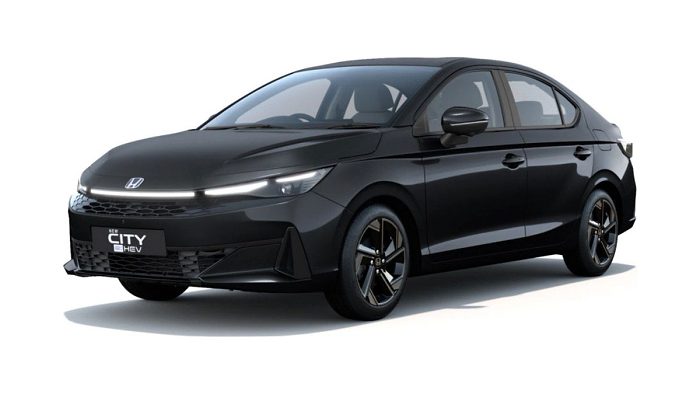
City
SedanFamily SUVs (₹15-25 lakh): Elevate, XUV 7XO and Seltos
Move up to full-family SUVs, and the ADAS gets more serious. The Honda Elevate offers Honda Sensing on higher trims, a big 458-litre boot (enough for a family's weekend bags to Lonavala), high ground clearance and clear all-round visibility. The Mahindra XUV 7XO has one of the most advanced ADAS packs under ₹25 lakh, from the Savvy Pro CVT trim onwards, and it shines on highways. It also gets triple 12.3-inch screens, a 540-degree camera view, petrol and diesel options and Harman Kardon audio. The Kia Seltos brings a feature-rich ADAS pack with multiple engines and premium interiors. For highway-heavy buyers, the XUV 7XO is the most complete pick here.
Which ADAS to trust, and which to skip
Not every system is equally sorted. Honda Sensing on the Amaze, City and Elevate feels the most natural; adaptive cruise holds gaps cleanly and does not panic-brake. Radar-based systems like the XUV 3XO's and XUV 7XO's read distance well, which matters on fast highways. The honest niggle across all of them is lane-keep assist. Indian road markings are often faded or missing, so lane-keep can nag you or switch off on many roads. Our advice: value the adaptive cruise and auto-braking most, treat lane-keep as a bonus, and turn it off if it annoys you in the city.
Pay ₹1-2 lakh extra for ADAS now or wait?
ADAS usually sits only on the top trims, so you often pay ₹1-2 lakh more than the same car's mid variant. Is it worth it? If you do regular long highway runs, yes. Adaptive cruise alone cuts fatigue on a Delhi-Jaipur-type drive, and auto-braking is real safety insurance. If you drive mostly short city hops in bumper-to-bumper traffic, the value is lower, and lane-keep may frustrate more than help. Prices are slowly dropping; the Amaze at ₹8.66 lakh proves that, so waiting a year could get you ADAS lower down the range. But safety tech in hand today beats a promise tomorrow.