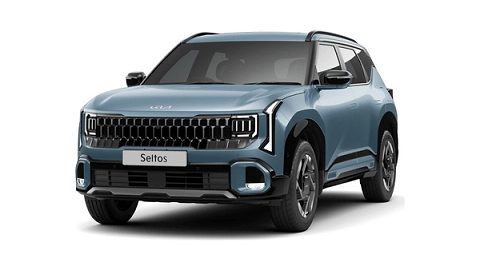
Kia has a gap in its SUV range. The new Seltos grew bigger and pricier, leaving room below it. To plug the space, Kia is reportedly working on two fresh SUVs for India, both expected by 2028-29. Nothing is locked in yet, so treat this as early planning, not a confirmed launch.
Two new SUVs under study: where they sit and when
Kia is looking at not one but two new SUVs for India. The first is a midsize B-segment model. It would sit between the sub-4m Syros and the now-premium Seltos. The second is a bigger three-row C-segment SUV that fills the gap between Seltos and the upcoming Sorento. Both are expected to arrive by 2028-29. The B-SUV is understood to be further along; the C-segment model is still at the evaluation stage, with no final call taken. Kia has not announced any launch date or price for either.
The 4.2m B-SUV: Kia's answer above the Syros
The smaller of the two is expected to measure around 4.2 metres in length. That puts it right between the Syros and Seltos, a fresh price point for Kia. It's likely to share underpinnings with Hyundai's India-bound Bayon (codename Bc4i), which slots between the Venue and Creta. Sharing the base cuts development cost, but Kia would give it its own look, cabin and features. One interesting bit: some reports say Kia is considering this one primarily as an electric SUV, though the final powertrain isn't confirmed. That would give Kia a stronger play in the growing mass-market EV space.
The three-row C-SUV: a family hauler below Sorento
The second model is much larger. With the Sorento expected to sit in the ₹30-35 lakh bracket, there's a big gap below it. The new C-segment SUV would fill that, measuring around 4.7 metres. It's expected to be based on Hyundai's upcoming Ni1i three-row SUV. But here's the honest caveat: Kia hasn't decided if it will be a proper SUV, an MPV, or an SUV-MPV crossover like the Carens. Body style, platform and timeline are all still under evaluation. Expect six- and seven-seat options and a long features list if it gets the green light.
Expected powertrains: petrol, diesel, hybrid and EV
Kia hasn't confirmed engines for either SUV. The B-SUV is expected to offer existing petrol and diesel options, plus possibly electric. The Hyundai Bayon it may share with uses a 1.5-litre naturally aspirated petrol (a simple non-turbo engine), with a factory-fitted CNG version reportedly under study too. The bigger C-SUV could get a new 1.5-litre strong-hybrid setup (petrol engine plus electric motor and battery), which reports suggest makes around 150 bhp and 250 Nm of torque (pulling power). A hybrid would help buyers save fuel without going fully electric. Nothing here is locked in yet.
Rivals: Fronx, XUV700, Safari in the crosshairs
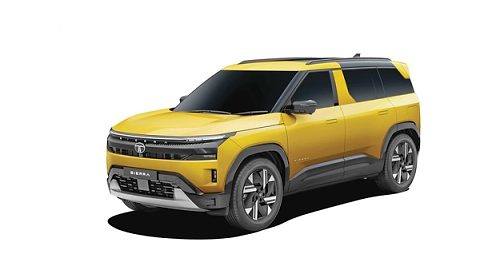
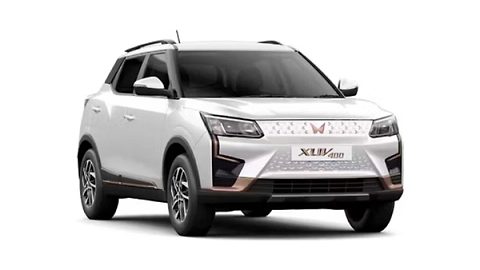
The 4.2m B-SUV would take on the Maruti Suzuki Fronx and Toyota Urban Cruiser Taisor. Kia is expected to pitch it as a more premium alternative, leaning on tech, styling and cabin comfort. The bigger three-row model would square up against the Mahindra XUV700 and Tata Safari, plus other premium three-row SUVs. It could also fill the space Hyundai's discontinued Tucson left behind. Both segments are crowded, so Kia's edge would come from features and design rather than price.
Confirmed vs under evaluation: what we actually know
Let's be clear about status. The B-SUV development is understood to be progressing, but the C-segment model is still just being studied, with no final decision. Kia has publicly said it plans 10 new vehicles for India by 2030, eight of them electrified. It's targeting roughly 410,000 annual sales by 2030, about 7.6% market share. What's not confirmed: launch dates, prices, exact engines, and even the body style of the bigger SUV. So no Diwali guesses here. If Kia signs off, expect more concrete details closer to 2028-29.
References: Kia India — official website