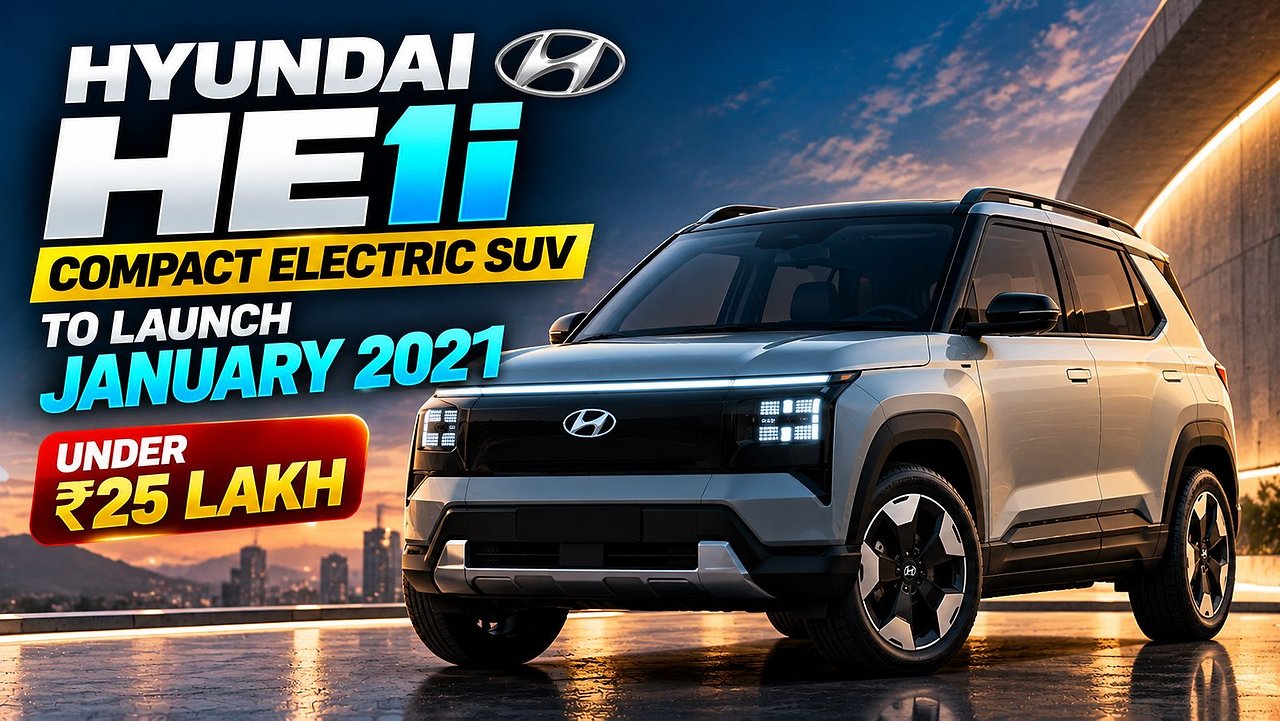
Hyundai has finally confirmed the car many first-time EV buyers have been waiting for. A compact electric SUV, codenamed HE1i and likely to be called the Hyundai Ioniq 1, is expected to debut in January 2027. It will sit below the Creta Electric and fill a gap Hyundai has openly admitted it has.
Ioniq 1: what's actually confirmed about the name and timing
Here's what we know for sure. Hyundai has officially confirmed a new compact electric SUV for India. The codename is HE1i, and reports say it will wear the Ioniq 1 name. The debut is expected in January 2027. Note the word expected; Hyundai has not locked a public launch date yet. What is confirmed is the car itself, its segment, and some of its tech. The exact badge and date are still strong expectations, but not official.
Where it sits: Hyundai's first EV below the Creta Electric
This development is the key point. Right now Hyundai has no electric SUV below the Creta Electric, which is big and pricey for many buyers. The Ioniq 1 fixes that. It is expected to be about the size of the Venue, in the B2 compact segment. For reference, the wheelbase (distance between the front and rear wheels) is estimated to be 2,500 mm, with ground clearance around 190 mm. The electric platform could free up more cabin room than a petrol car of the same length. If Hyundai prices it right, this could become the brand's best-selling EV.
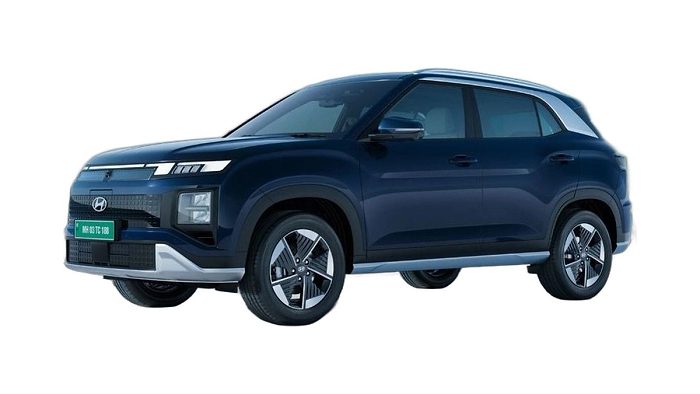
Hyundai Creta Electric
SUVDesign: what the camouflaged prototypes reveal
Test cars give us a decent idea of the shape. It looks taller and more squared-off than the Creta Electric, with short front and rear overhangs. Think of the global Hyundai Inster, but with a bigger footprint and a more proper SUV stance. The lighting setup is split: LED daytime running lights (the thin lights that stay on in the day) sit up high, while the main headlamps sit lower on the bumper. A closed front fascia, body cladding, roof rails and a near-vertical tailgate round it off. The upright roof should mean ample headroom for a family of four.
Battery plan: Svolt cells first, Exide later. Here's why.
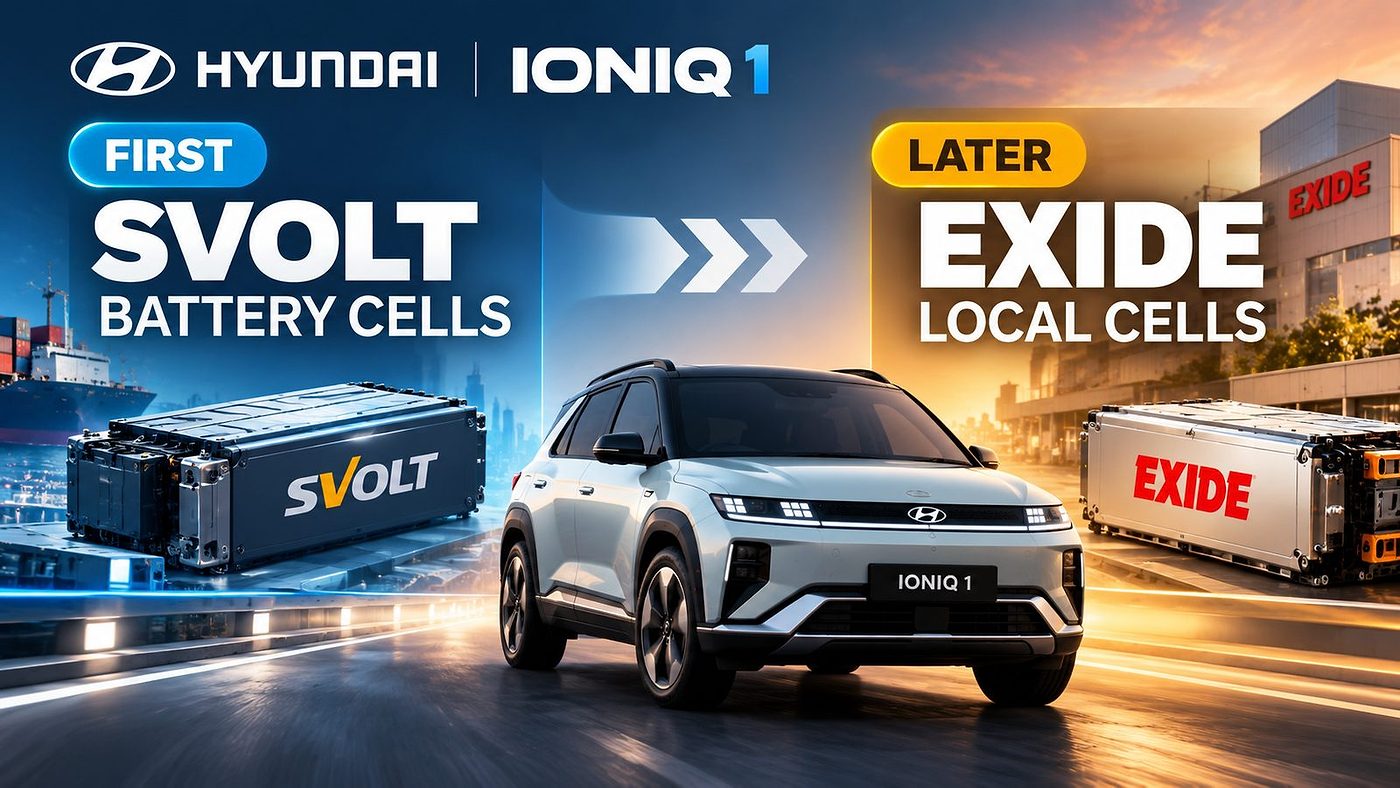
This is the most concrete business detail, so pay attention. At launch, Hyundai will use battery cells from Svolt. The reason is simple: it does not want supply problems to delay the car. Later, it plans to switch to locally made cells through its tie-up with Exide Industries. A two-stage plan like this lets Hyundai hit the market on time now and cut costs later. Local cells could also help keep the price competitive against Tata and Mahindra down the line.
Range, charging and powertrain: Standard vs Long Range Expected
Hyundai is reportedly planning two versions: Standard Range and Long Range. The actual battery sizes aren't confirmed. For reference only, the global Inster uses 42kWh and 49kWh packs (kWh is the battery size; bigger means more range). Hyundai may use something similar to cover different budgets, but treat that as an analogy, not a spec. DC fast charging is expected, with a 10 to 80 per cent top-up in around 30 minutes. That's roughly one coffee break on a highway run. Real-world range, as always, will be below the ARAI (government test) number, so plan for about 70 percent of the claimed figure.
Features and safety: Level 2 ADAS confirmed across variants
Some good news here has actually been confirmed. Hyundai has confirmed a next-generation infotainment system and Level 2 ADAS (safety tech that can brake and steer-assist for you). It has also confirmed next-gen connected car tech across all variants. What's not yet detailed is which exact ADAS functions you get and on which trims. The expected kit includes a 10.25-inch touchscreen, a 10.25-inch digital driver's display, six airbags, electronic stability control and a blind-view monitor. Adaptive cruise control, auto emergency braking and lane-keep assist are likely, but Hyundai hasn't yet spelt out the trim split.
Rivals: Nexon EV, XUV 3XO EV, Syros EV, and the price Hyundai must hit
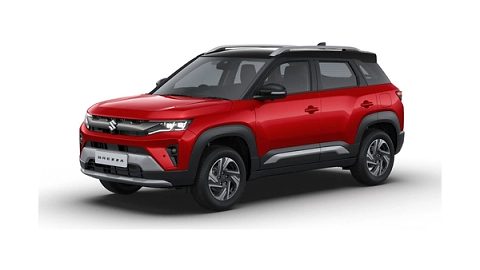
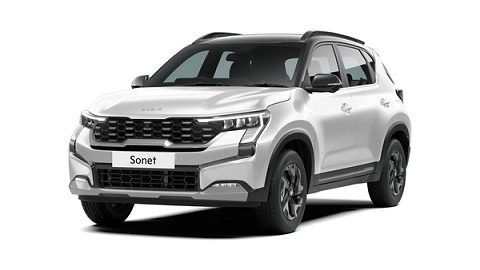
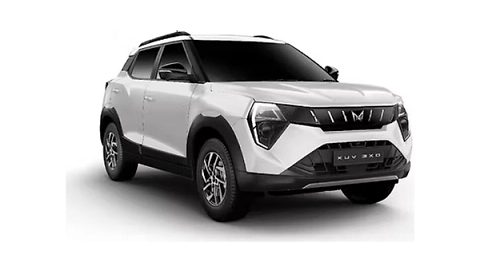
The Ioniq 1 lands in a busy fight. Its main rivals will be the Tata Nexon EV, Mahindra XUV 3XO EV and Kia Syros EV. All three are well established and sharply priced. Tata, in particular, sells the Nexon EV in big numbers. For Hyundai to win here, pricing is everything. The Creta Electric is too big and costly for this buyer, so the Ioniq 1 has to come in clearly cheaper to make sense. No ex-showroom price has been announced yet, so please disregard any figure you may see floating around.
Confirmed vs speculation: and why the January timing matters
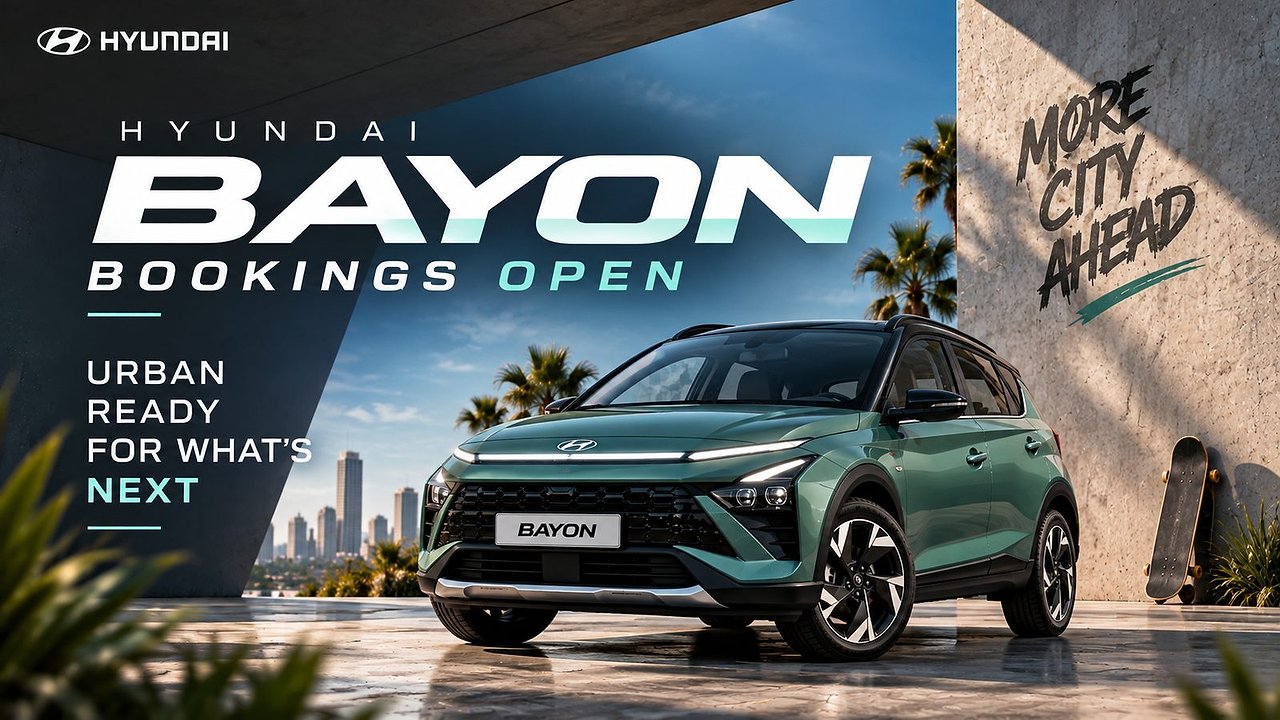
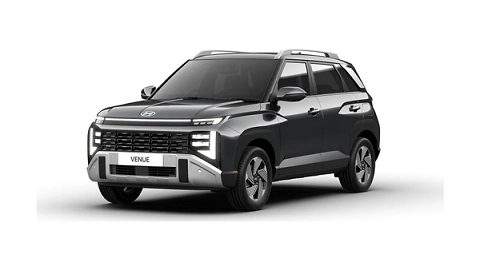
Let's keep it honest. Confirmed: a compact EV, Svolt-then-Exide battery sourcing, Level 2 ADAS, next-gen infotainment and connected tech on all variants. Expected but not official: the Ioniq 1 name, the January 2027 debut, two battery options and the final feature list. The timing matters because of Hyundai's wider SUV push. The Bayon arrives around October 26, 2026, and the next-gen Creta is expected around March 2027 and will move upmarket. A cheaper EV below all of that could pull in buyers who find the Creta Electric too big or too expensive.
References: Hyundai India — official website