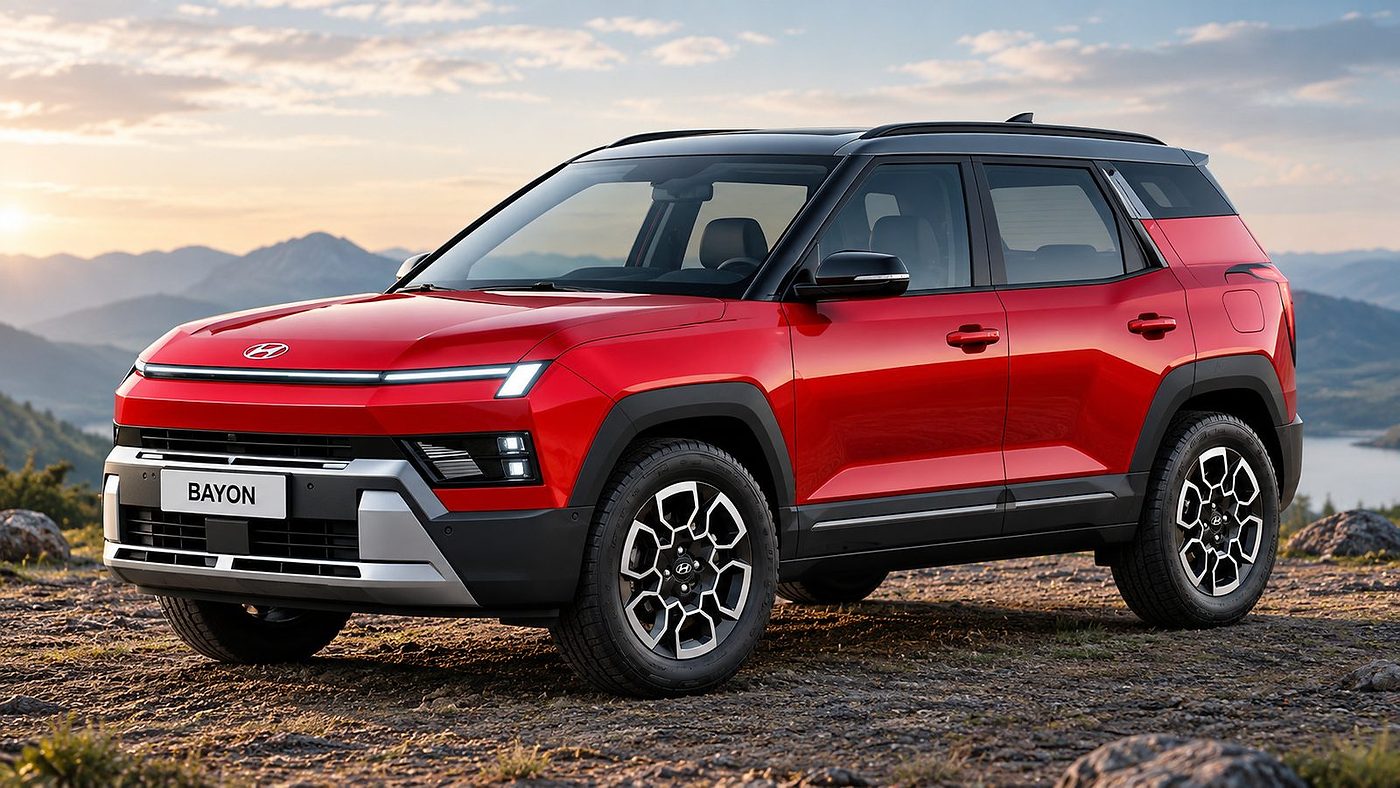
Hyundai is building the Bayon with the goal of achieving a full 5-star Bharat NCAP rating before it even reaches showrooms. That's a safety-first approach you don't often see in the sub-₹15 lakh SUV space, where cars usually launch first and get crash-tested later. But remember: "engineered to achieve" is a target, not a confirmed result. So should you wait for it or buy a tested rival today?
Hyundai Bayon 5-star Bharat NCA P: What we actually know
Right now, Hyundai says the Bayon is being engineered to hit a 5-star Bharat NCAP rating. That's a design goal, not a test score. No Bharat NCAP crash results exist yet, so we don't have the Adult (AOP, out of 32) or Child (COP, out of 49) numbers. A 5-star Bharat NCAP typically requires strong scores in both adult and child protection categories. Treat the 5-star claim as a promise for now, and wait for the official report before you bank on it.
Which variant gets tested, and will 6 airbags be standard?
This is the detail that decides real value. Hyundai hasn't confirmed which exact India-spec Bayon variant will be crash-tested or how many airbags that test car will carry. Six airbags are expected as standard, in line with recent safety regulations. But ESC (electronic stability control, which stops skids) and ISOFIX child-seat mounts need confirming across trims. A 5-star score usually applies to the full line-up only if the safety structure and base kit stay the same. Watch for which trim gets what when the brochure drops.
Level 2 ADAS in a ₹8–14 lakh SUV: how it compares
The Bayon is expected to pack Level 2 ADAS (safety tech that can brake or steer slightly on its own). That's a big deal in this price band. The Nissan Magnite, Tata Punch, Hyundai Exter, and Renault Kiger don't offer true Level 2 ADAS at all. So on paper, the Bayon leads on active safety features. ADAS features are typically reserved for higher trims in this segment, so check variant details at launch.
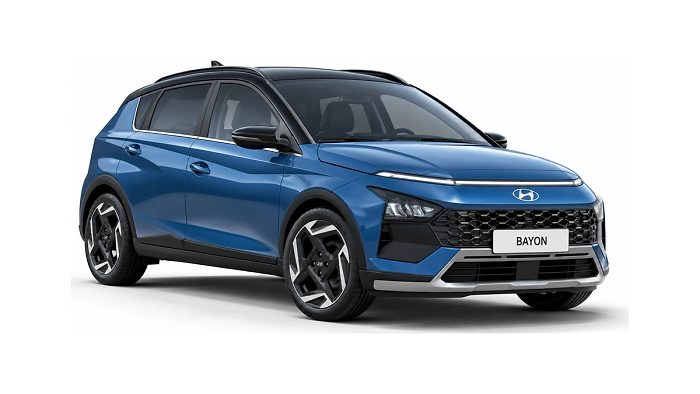
Hyundai Bayon
SUVHyundai Bayon price in India vs. rivals: is the premium worth it?
At an expected ₹8–14 lakh (ex-showroom), the Bayon sits a clear step above its rivals. The Nissan Magnite runs ₹5.69–11.16 lakh, the Tata Punch ₹5.75–10.77 lakh, Hyundai's own Exter ₹5.81–10.43 lakh, and the Renault Kiger ₹5.81–10.4 lakh. So the Bayon's top variants could cost ₹2–4 lakh more than a loaded rival. On-road prices add road tax, registration, and insurance and vary by state. The 114 bhp 1.5L petrol, dual-screen cabin, Level 2 ADAS, and that 5-star safety target are what you'd pay the premium for. Whether that's worth it depends on how Hyundai spreads the kit across trims.
Should you wait for the Bayon or buy a Magnite or Punch now?
Here's the honest trade-off. The Bayon launch is expected around Diwali 2026 (early November). The Tata Punch already has a strong tested safety record and starts at ₹5.75 lakh. The Magnite is light on your wallet and available today. If you need a car now and money is tight, a Punch or Magnite makes plain sense. If you can wait and want more features plus a (targeted) top safety score, the Bayon could be the smarter buy. But our advice stays the same: wait for official pricing, the real Bharat NCAP report, and the variant-wise kit list before you commit.

References: Hyundai India — official website · Bharat NCAP