Here's the number that matters: the new 2027 Hyundai Tucson plug-in hybrid can run 81 km purely on electric power. That's enough to skip petrol for most daily commutes. But before you get excited, the big catch is this. Hyundai pulled the old Tucson off Indian shelves in late 2025, and there is still zero word on whether this stunning new one is coming back.
Tucson PHEV vs HEV specs: 292 PS plug-in and 245 PS strong hybrid
Hyundai showed the all-new Tucson in New York with two electrified options. The plug-in hybrid (PHEV) pairs a 1.6-litre turbo-petrol engine with two electric motors for a combined 292 PS and 380 Nm of torque (pulling power). It hits 100 km/h in just 7.9 seconds with 4WD as standard. The strong hybrid (HEV) uses the same petrol engine but a smaller setup, making 245 PS and 380 Nm, doing 0-100 in 8.3 seconds. Both use a 6-speed automatic gearbox. These are big jumps over the old India Tucson, which topped out around 185 bhp.
How the two hybrids work: plug-in (81 km) vs self-charging
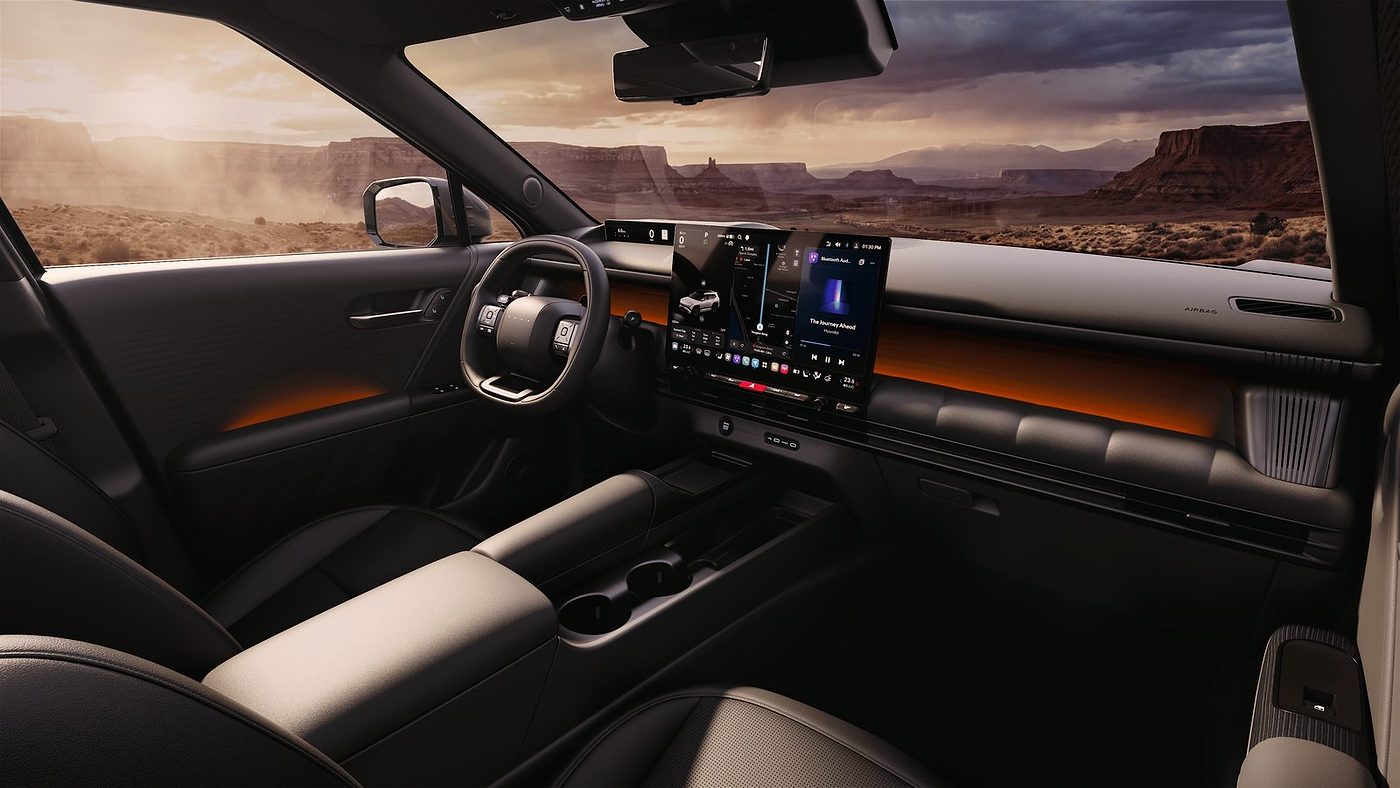
The difference between the two is simple but important. The PHEV packs a big 17.1 kWh battery and a 7.2 kW onboard charger, so you plug it in and get up to 81 km of pure electric driving. For most city folks, that means barely touching petrol on weekdays. The HEV (strong hybrid) is different. It uses a tiny 1.49 kWh battery that charges itself while you drive (no plug needed), so it can't do long electric-only stretches. It just saves fuel by running the motor at low speeds. This is a proper full hybrid, not a mild one like Maruti's 48V setup that can't drive on electric at all. The HEV also gets E-Traction (the motor helps grip in corners) and HEV Stay Mode, which keeps the AC and audio running with the engine switched off.
Will the Hyundai Tucson come back to India? No confirmation yet
This is the honest part. Hyundai discontinued the fourth-gen Tucson in India in late 2025 because sales were slow. The company has not announced the fifth-gen for India at all. Yes, there's talk of a possible 2027 return, but nothing is official, not the powertrain, not the price, not a date. So if a salesman tells you it's "coming soon", take it with a pinch of salt. For now, you simply cannot walk into a Hyundai showroom and book one.
If it returns: expected price, road-tax savings and payback
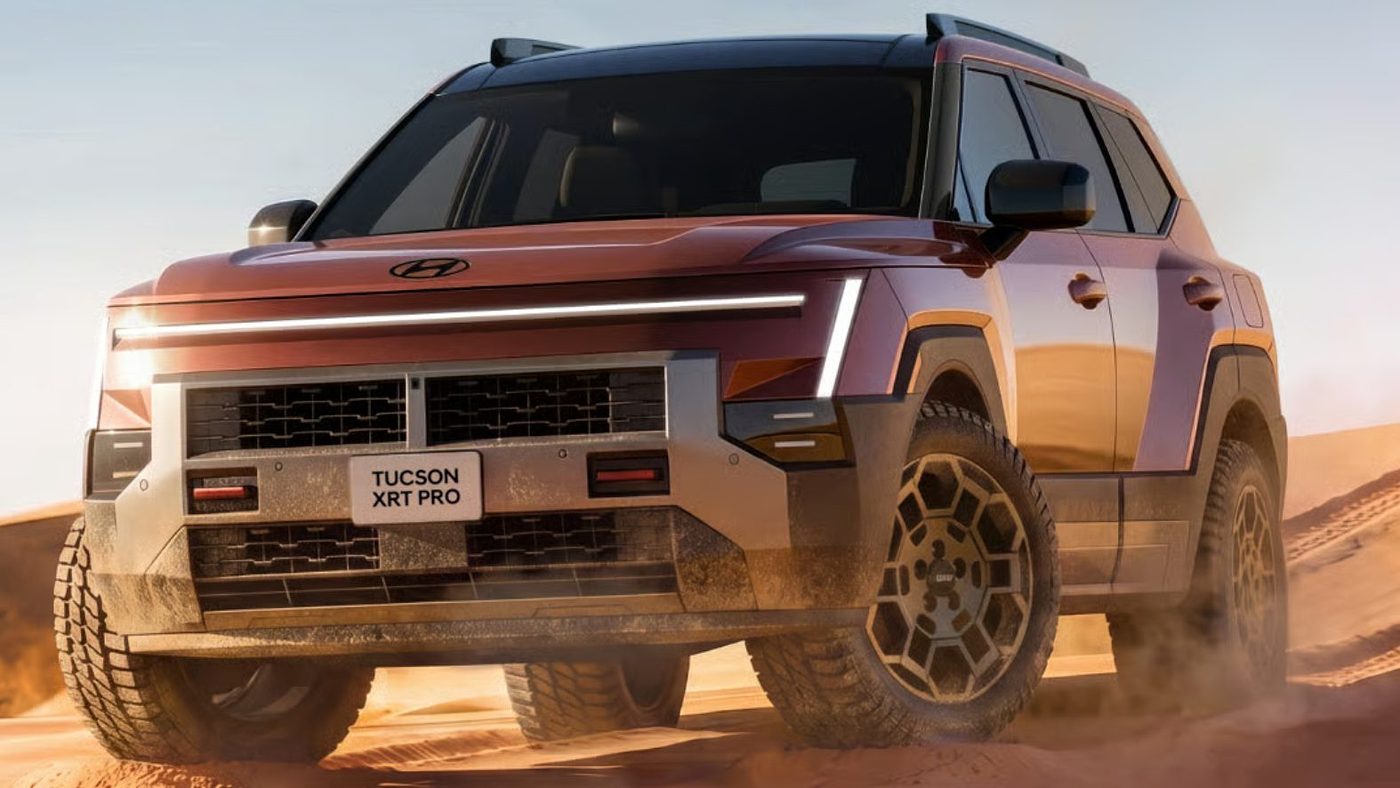
If the Tucson does come back, expect it to sit in the old ₹30-38 lakh (ex-showroom) band, with on-road prices higher after road tax, registration and insurance (this varies by state). A strong hybrid version would be the smart India pick. Why? Because some states reward strong hybrids. Uttar Pradesh offers a 100% road-tax waiver on strong hybrids, which can save around ₹1.8 lakh or more. Delhi's draft policy proposes a 50% cut for strong hybrids and PHEVs under ₹30 lakh (check your RTO for the latest). The claimed 17.4 km/l (a Korean test figure, so real-world will be lower) means a hybrid could save meaningful fuel money over a petrol SUV across 12,000-15,000 km a year. Mild hybrids, note, get none of these tax breaks.
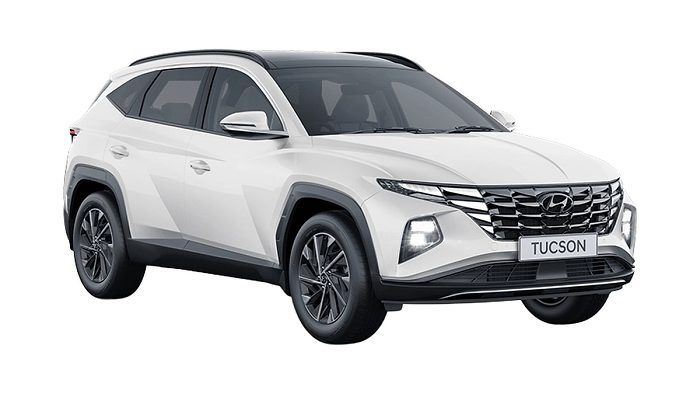
Hyundai Tucson Facelift
SUVTucson PHEV vs Harrier EV and XEV 9S: plug-in flexibility vs pure electric
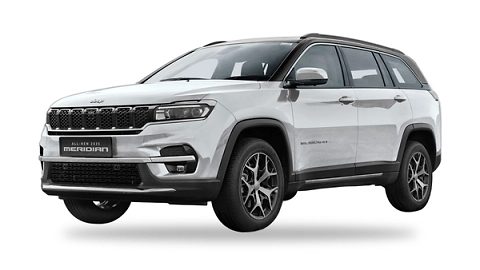
While the Tucson sits in limbo, rivals are already on sale. The Tata Harrier EV (₹21.79-30.54 lakh) makes up to 286 PS and is fully electric, giving near-zero city running costs but needing a charger. The Mahindra XEV 9S (₹20.65-30.9 lakh) is another electric option in the same money. The Tucson PHEV's 292 PS edges the Harrier on paper, and it adds something they can't: a petrol engine for long highway runs with no charging stops. So the trade-off is clear. The EVs give you the cheapestper-km driving in the city. The Tucson PHEV gives you 81 km of electric plus total freedom on the highway. The Jeep Meridian (₹23.33-38.26 lakh) is the diesel-only option if you skip electrification entirely.
Should you wait for the Tucson or buy it now?
Flip the question around. Our expert earlier said the Tucson was "worth waiting for" if you wanted modern tech and electrified options. But the wait is now open-ended, and buyers in the ₹30 lakh bracket can't sit around forever. If you're charging-ready at home and drive mostly in the city, the Harrier EV or XEV 9S make sense right now. For those who want hybrid flexibility but can't charge daily, there's genuinely nothing from Hyundai to buy today. Strong hybrids also tend to hold resale better than EVs. My honest take: don't pin your plans on a Tucson comeback that may never be confirmed.
References: Hyundai India — official website
Read next
- Hyundai Bayon bookings open at ₹11,000; Diwali 2026 launch, 1.5L petrol confirmed
- 2027 Hyundai Tucson revealed: 245 bhp hybrid, 17.4 km/l, India launch next?
- 2027 Hyundai Ioniq 5 update lands abroad: should India's ₹55.7 lakh buyers wait?
- Hyundai Creta Lounge Edition launched at ₹19.22 lakh with 11.6-inch rear screen