The Renault Kiger just moved from 2 stars to 4 stars in Global NCAP's latest Safer Cars for Africa crash test. That's a real jump. But if you walk into a Renault showroom in India today, that headline tells only half the story.
Renault Kiger NCAP rating: the Africa 4-star vs the India reality
Global NCAP (an independent crash-test body) retested the Kiger made for Africa and gave it 4 stars. The last time it was tested there, it only managed 2 stars. So this score is a clear improvement after a safety upgrade. But here's the catch. This result is for the Africa-spec car, not the Kiger you buy in India. Bharat NCAP (India's own government crash-test programme) has never crash-tested the India-market Kiger. So that 4-star Africa number does not tell you how the Indian car would score here.
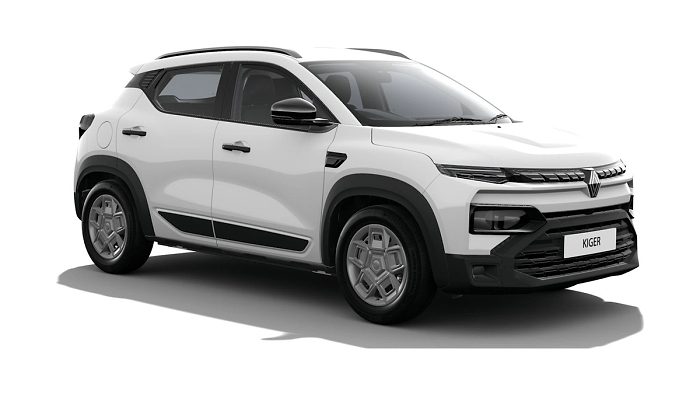
Renault Kiger
SUVWhat the 2022 Global NCAP India test actually said
There was an earlier, separate Global NCAP test of the India-made Kiger back in 2022. That car had just 2 airbags. It earned 4 stars for adult protection (AOP) and only 2 stars for child protection (COP). Adult scores are measured out of 34 points in Global NCAP's older tests; child protection is out of 49. The low child score was mainly due to the child-seat setup and how well it held a dummy in a crash. Keep this in mind: that 2-airbag car is not the same as today's showroom Kiger, which now gets 6 airbags.
Why is there no Bharat NCAP rating yet? The missing piece
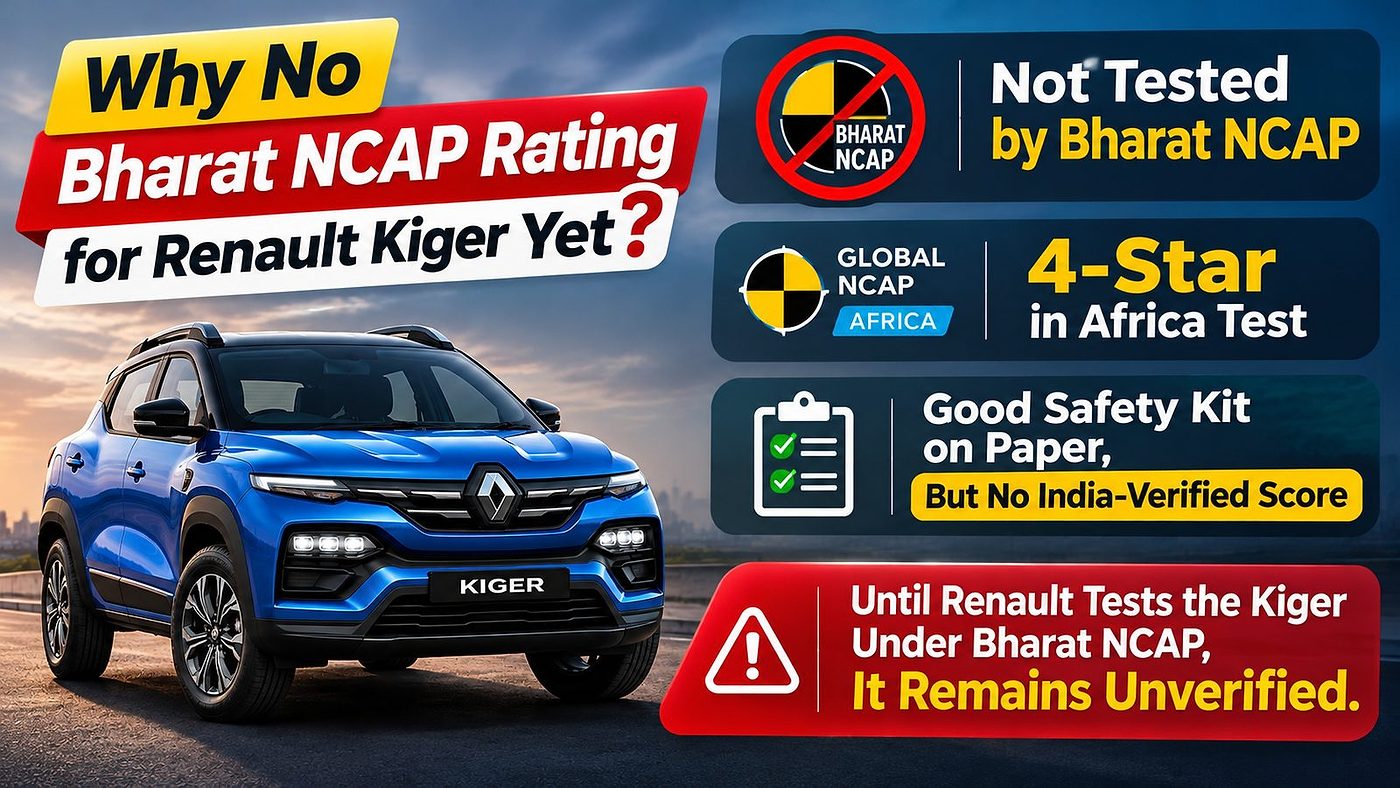
This rating is the real news for an Indian buyer. Every major rival has been through Bharat NCAP or has a published score. The Kiger has not. Renault simply hasn't sent the India-spec car for a Bharat NCAP crash test. That leaves a transparency gap. You get good safety hardware on paper, but no independent, India-tested star rating to back it up. An Africa 4-star result does not fill that gap, because the test car, the spec and the rules are different. Until Renault tests the Kiger under Bharat NCAP, you're trusting the kit list, not a verified score.
Renault Kiger safety features: what's standard in India
The good news is that the hardware is solid. Renault says the current India Kiger comes with 21 standard safety features. That includes 6 airbags on all variants, ESP (electronic stability program, which helps the car stay in control during a sudden swerve), traction control and hill-start assist. You also get ABS with EBD, brake assist, ISOFIX child-seat mounts, three-point seat belts for all seats, seat-belt reminders, rear parking sensors and a tyre-pressure monitor. The top Emotion variant (₹8.50 lakh) adds a take-a-break reminder and follow-me-home headlamps. For a car starting at ₹5.81 lakh, six standard airbags are a genuinely strong kit.
Kiger vs rivals' NCAP scores: Magnite 5-star, Punch 5-star, Exter untested
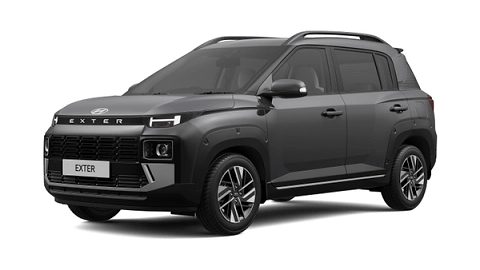
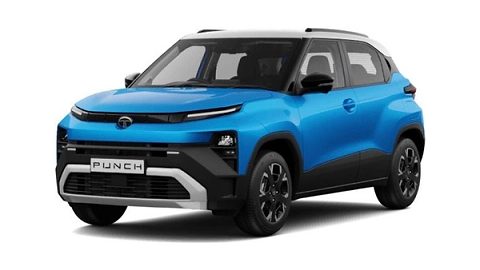
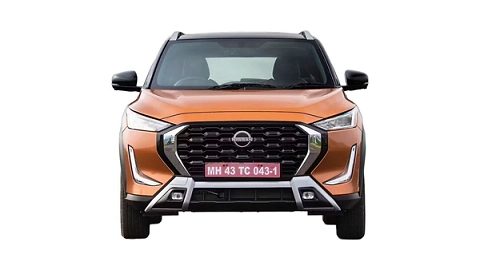
Here's where the gap stings. The Nissan Magnite (₹5.69–11.16 lakh) shares a lot with the Kiger and has a Bharat NCAP 5-star rating. The Tata Punch (₹5.75–10.77 lakh) also carries a 5-star score. So at almost the same price, two rivals give you a proven India-tested result, and the Kiger gives you a kit list. The Hyundai Exter (₹5.81–10.43 lakh) and Maruti Fronx (₹6.90–12.03 lakh) sit in the same fight. For a safety-conscious family buyer, the published 5-star rating next to the Magnite's name is hard to ignore.
Should you buy the Renault Kiger in 2026?
The Kiger makes a strong value case. Six airbags, ESP and ISOFIX as standard from ₹5.81 lakh, plus petrol and CNG options and that peppy 99 bhp turbo at the top. It drives well and undercuts plenty of rivals on price. But the honest niggle is the missing Bharat NCAP score when the Magnite and Punch both have 5 stars. If you want the lowest running cost and a feature-loaded cabin, the Kiger fits the bill. If an independent, India-tested safety star is a must for your family, the Magnite or Punch currently give you that peace of mind. The Evolution Plus turbo (₹7.93 lakh) is the sweet spot if you want the stronger engine with good kit.
References: Renault India — official website · Bharat NCAP