Toyota is building a brand-new 1.5-liter hybrid engine, and it's not just the old petrol motor with batteries added. The engine, electric motors, and electronics were all designed together from zero. The goal: over 15% better mileage than Toyota's current hybrids, which are already very frugal.
What's new: a 1.5L hybrid built from zero, not adapted
Most hybrids start with an existing petrol engine and add electric bits later. Toyota did the opposite here. It designed the 1.5-liter four-cylinder petrol engine, the electric motors, and the power electronics (the brain that controls the electric flow) as one package. That lets each part work better with the others. The result, Toyota says, is a cleaner, more efficient hybrid system than a bolt-on job.
The numbers: 15% better mileage, two engine types
The headline claim is over 15% better fuel economy than Toyota's current hybrid setup. That's a big jump when the current systems are already sipping fuel. The engine comes in two forms. The naturally aspirated (non-turbo) version is tuned to match the performance of Toyota's current 1.8-liter engine and its 1.5-liter three-cylinder unit. The turbocharged version adds more punch for bigger or faster cars. Toyota has not shared exact power, torque (pulling power), or final mileage figures yet.
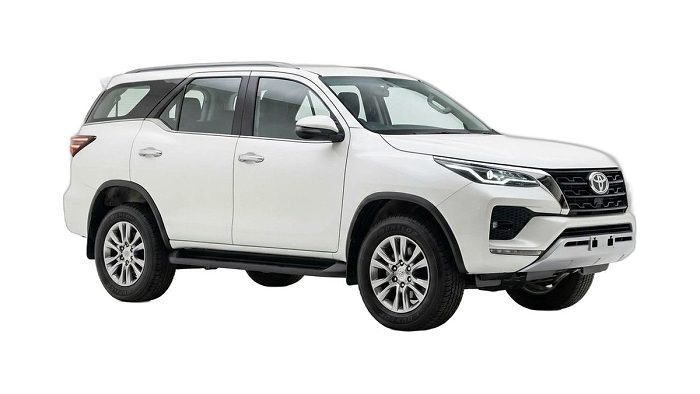
Toyota Fortuner
SUVHow it works: lighter motors, SiC electronics, less friction
The 15% gain doesn't come from one trick. Toyota lists several small wins that add up. Lower mechanical friction inside the engine. Better thermal management (keeping the engine at its best temperature). Less electrical loss. And lighter, smaller electric motors and control units. A key part is Toyota's own silicon carbide (SiC) power electronics, which waste less energy than older types. The whole package is also smaller, so it fits into cars more easily.
Why the compact size matters for design
Toyota wants this hybrid to be small enough to fit platforms first built for electric cars. One shared base could then take a full electric, a plug-in hybrid, or a normal hybrid. That saves money because Toyota spreads its costs across many cars. The lower engine profile also allows lower bonnet heights and more freedom in styling. Factories can switch the mix of petrol-hybrid, plug-in, and electric cars based on what buyers actually want.
Which Toyotas get it, and when? Still unknown
Here's the honest part: Toyota has not said which car gets this engine first. No production timeline. No India launch date. No first model named. So treat this as a technology story, not a confirmed launch. The obvious question for Indian buyers is whether a future Urban Cruiser Hyryder successor could use it. That's a fair guess given the Hyryder already sells as Toyota's main hybrid here. But it is a guess, not a fact Toyota has confirmed.

India impact: the Maruti partnership question
This matters more in India because of how Toyota and Maruti Suzuki share cars. The current Hyder and the Maruti Grand Vitara are badge-shared twins. If Toyota's new 1.5L hybrid reaches India, the big question is whether Maruti shares it too, the way the current hybrid is shared. Toyota said it plans to sell its new engine and hybrid tech to outside companies in the coming years. That opens the door, but nothing is confirmed for the India pair yet.
Versus rivals: 15% on top of an already-frugal base
The current Hyder strong hybrid already claims around 28 kmpl on the ARAI test (a government mileage test that always reads higher than real driving). A 15% gain on that kind of number would push claimed figures even higher, though real-world mileage is always lower. The main rivals here are Honda's strong i-MMD hybrid (seen in the City Hybrid) and Hyundai's upcoming hybrids. If Toyota delivers the full 15%, it keeps its lead on efficiency. But until we see real numbers in a real car, treat the 15% as a target, not a promise.
References: Toyota India — official website
Read next
- Toyota Innova Hycross facelift on Nov 26: India's first flex-fuel hybrid
- New Toyota Glanza launched at Rs 6.99 lakh: Z-Series engine, head-up display, Level 2 ADAS on the V (O)
- Toyota Fortuner Leader Edition launched at ₹36.51 lakh: worth the markup?
- Toyota Fortuner Leader Edition 2026 launched at Rs 36.51 lakh: black grille, black roof, maroon cabin on the 4x2 diesel