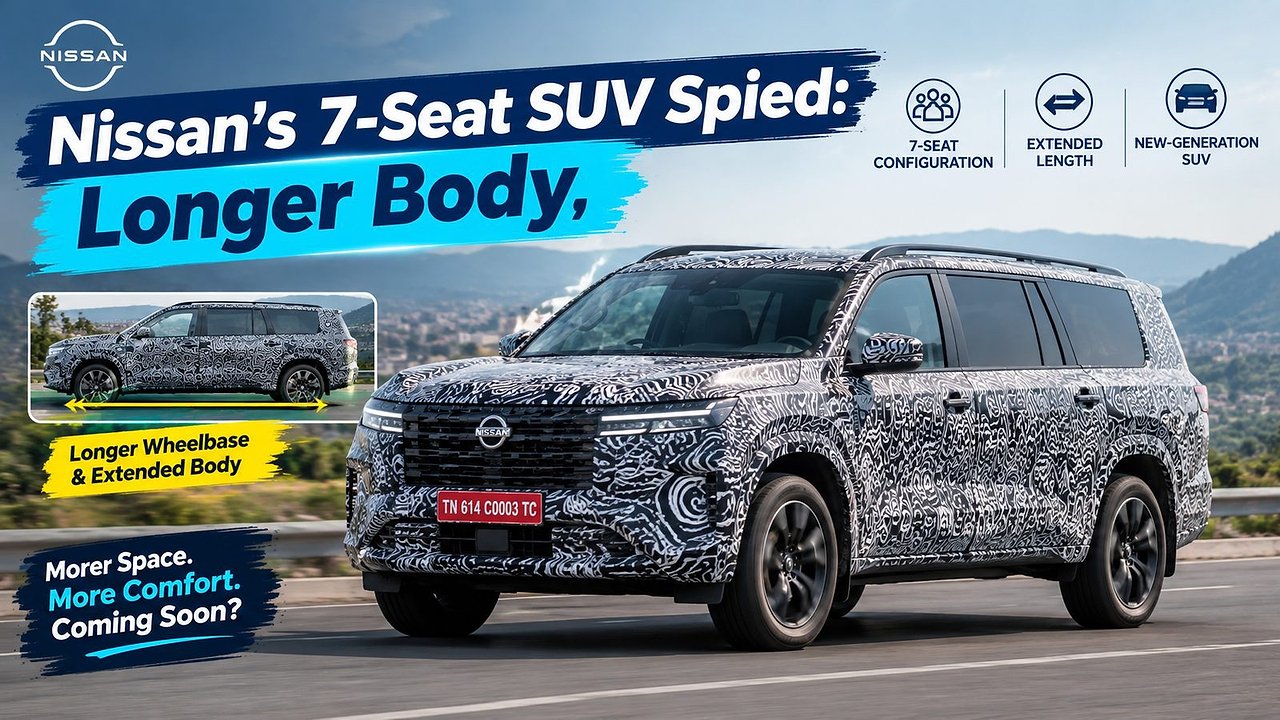
Tata's biggest SUV is finally going electric. Fresh spy shots show the Safari EV with a triple-screen cabin borrowed from the Sierra, plus dual-motor AWD and three rows of seats. It slots above the Harrier EV as Tata's most feature-loaded electric SUV, and could cost ₹22–32 lakh when it lands around the 2027 Auto Expo.
What's confirmed: the triple-screen cabin
Spy shots caught the Safari EV test mule with an illuminated passenger-side display visible through the front window. That's the big news. The Safari EV will get a three-screen dashboard, similar to the Tata Sierra, which was the first Tata car to offer this layout. Expect a digital driver's display, a central touchscreen and a dedicated screen for the front passenger. The extra screen sets the Safari EV apart from the Harrier EV, which uses only two displays. Tata hasn't confirmed screen sizes yet, but the Sierra EV's setup pairs a 10.25-inch driver's display with two 12.3-inch screens.
Design: familiar Safari, still in heavy camouflage
Here's how the current Safari looks, so you know what carries over. It's a boxy three-row SUV with an upright rear, roof rails and a roof-mounted spoiler. The spied EV mule keeps that same silhouette. So the Safari EV won't be a radical redesign. Since the test mule is heavily camouflaged, the exact grille, bumper and light changes are not clear yet. EVs usually get a closed-off front (no engine means no big grille), so expect a smoother nose than the petrol/diesel car. New alloy wheel designs and EV-specific colours are likely but not confirmed.
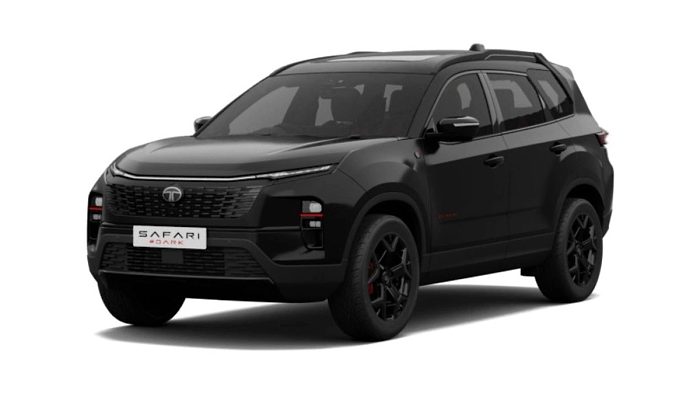
Tata Safari
SUVInterior & features: what the Safari EV borrows from the Harrier EV
Beyond the triple screens, the Safari EV should pack in most of the Harrier EV's kit. Expect ventilated front seats (seats with fans to keep you cool), a digital IRVM with dashcam (a rear-view mirror that shows a camera feed), and a 540-degree camera system for tight parking. A JBL audio system, Level 2 ADAS (safety tech that can brake and steer for you) and auto park assist are also likely. Tata could add vehicle-to-load and vehicle-to-vehicle power sharing, so you can run appliances or charge another car off the battery. As a three-row SUV, it'll offer either a 7-seat bench or 6-seat captain chairs, like today's Safari.
Powertrain & range: 65/75kWh batteries and dual-motor AWD
The Safari EV is expected to share the Harrier EV's 65kWh and 75kWh battery packs (kWh is the battery size, bigger means more range). Both come with a single rear motor (RWD) making 238 bhp and 315 Nm. The 75kWh pack also gets a dual-motor AWD version, called QWD by Tata, with a combined 313 bhp and 504 Nm of torque (pulling power). In the Harrier EV, MIDC-certified range is 538 km for the 65kWh, 627 km for the 75kWh RWD and 622 km for the 75kWh AWD. MIDC is a government test that always reads higher than real life, so expect roughly 380–440 km in real city-plus-highway driving. The heavier three-row Safari EV will likely post slightly lower figures. Charging 20 to 80 percent takes about 25 minutes on a 120kW DC fast charger.
Tata Safari EV price: how much will it cost?
Tata hasn't confirmed prices yet, so these are estimates. The Harrier EV sells from ₹21.79 lakh to ₹30.54 lakh (ex-showroom Mumbai). The Safari EV should sit slightly above it because of the extra seat row and the added screen. It could start around ₹22–23 lakh and reach ₹31–32 lakh for the top-spec AWD. That tracks with the petrol/diesel cars too: the Safari currently costs ₹40,000 more at the base and ₹80,000 more at the top than the Harrier. On-road prices will be higher, adding road tax, registration and insurance. Some states waive road tax and registration on EVs, so check your local RTO. Note there's no central cash subsidy on an electric car.
Tata Safari — Price by variant
| Variant | Ex-showroom price |
|---|---|
| Smart | ₹13.4 lakh – ₹14.85 lakh |
| Pure X | ₹16.85 lakh – ₹19.45 lakh |
| Pure X Dark | ₹17.35 lakh |
| Adventure X Plus | ₹18.15 lakh – ₹21.05 lakh |
| Pure X Dark Edition | ₹18.6 lakh – ₹20 lakh |
| Adventure X Plus Dark | ₹18.7 lakh – ₹21.6 lakh |
| Accomplished X | ₹21.3 lakh – ₹24 lakh |
| Accomplished X Dark | ₹21.75 lakh – ₹24.55 lakh |
| Accomplished X Plus | ₹23.05 lakh – ₹25.7 lakh |
| Accomplished X Plus Dark | ₹23.4 lakh – ₹26.05 lakh |
| Accomplished Ultra | ₹23.65 lakh – ₹26.55 lakh |
| Accomplished Ultra Red Dark | ₹24 lakh – ₹26.65 lakh |
| Accomplished X Plus Stealth Edition | ₹24.26 lakh – ₹26.91 lakh |
(Price of the IC Engines, not the EV)
Safari EV vs Harrier EV vs Mahindra XEV 9S
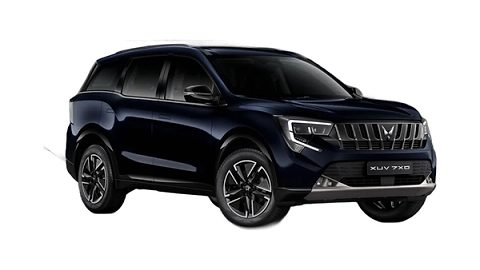
The Safari EV's whole reason to exist is the third row. The Harrier EV is a five-seater; the Safari EV gives you six or seven seats plus the extra passenger screen. That's the case for paying a small premium over the Harrier EV. The tougher rival is the Mahindra XEV 9S, which offers a three-row cabin and triple screens from the base variant, and already sells 3,000–4,000 units a month. To justify a ₹31–32 lakh top-spec, the Safari EV leans on its dual-motor AWD grip and ventilated captain chairs. For families who want brand comfort and Tata's service network, the Safari EV makes a strong case, but Mahindra's head start on volume is real.
Verdict: wait for the Safari EV or buy the ICE Safari now?
If you want an electric three-row family SUV, the Safari EV is worth the wait, but that wait is long: launch is expected around the 2027 Bharat Mobility Auto Expo. It's roughly ₹8–10 lakh dearer than the petrol Safari, but you get triple screens, AWD and zero fuel bills. If you need a big seven-seater today and do a lot of highway miles, the current Tata Safari still makes strong sense from ₹13.40 lakh. The diesel returns a claimed 16.3 kmpl, carries a 5-star Bharat NCAP rating and offers a huge boot (420 litres, growing to 1550 litres with rows folded). Buy the ICE Safari now if you can't wait; hold out for the EV if silence, tech and running costs matter more to you.
References: Tata India — official website