My Wheels Expert

Best Sedans Under ₹30 Lakh in India (2026)

9 cars ranked by popularity. The most popular sedans on sale in India under ₹30 lakh ex-showroom, ranked by sales. Compare on-road prices, mileage, features and variants — then get the best dealer quote.

The best sedans under ₹30 lakh in India right now are led by the Maruti Suzuki Dzire, Honda Amaze, Hyundai Verna. This page ranks all 9 sedans under ₹30 lakh on sale by popularity — with ex-showroom and city on-road prices, mileage, key features and the MyWheelsExpert verdict — so you can shortlist and get the best dealer quote.

All Sedans Under ₹30 Lakh – Price List

Compare ex-showroom price ranges, ARAI fuel efficiency, body styles and crash-test ratings. Tap any price to switch the table to your city's on-road price.

ModelPrice RangeBody TypeMileageSafety Rating
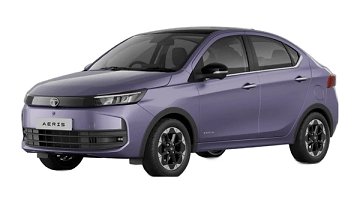
Tata Tigor EVSedan315 km (Range) ★ 4-Star Global NCAP
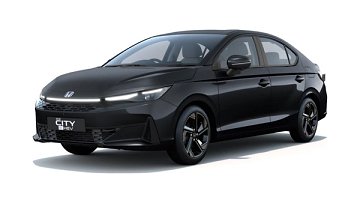
Honda CitySedan17.77 – 27.26 kmpl ★ 5-Star ASEAN NCAP
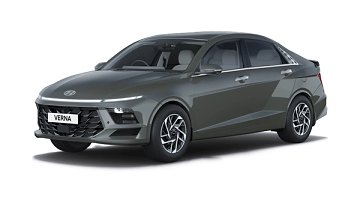
Hyundai VernaSedan18.6 kmpl ★ 5-Star Global NCAP
Volkswagen VirtusSedan18.7 – 20.19 kmpl ★ 5-Star Global NCAP
Skoda SlaviaSedan18.41 – 19.62 kmpl ★ 5-Star Global NCAP
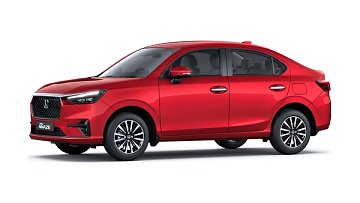
Honda AmazeSedan18.65 – 19.46 kmpl ★ 5-Star Bharat NCAP
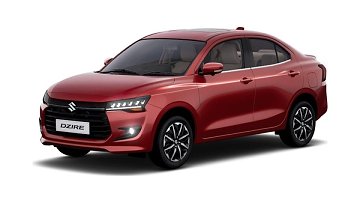
Maruti Suzuki DzireSedan24.79 – 25.71 kmpl ★ 5-Star Bharat NCAP
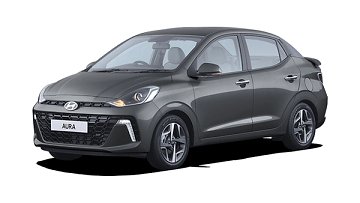
Hyundai AuraSedan20.5 km/kgNot crash-tested
Tata TigorSedan19.28 – 19.6 kmpl ★ 4-Star Global NCAP

Compare Sedans Under ₹30 Lakh

Maruti Suzuki Dzire
Honda Amaze
VS

Maruti Suzuki

Dzire

₹6.31 Lakh

onwards

Honda

Amaze

₹7.69 Lakh

onwards

Maruti Suzuki Dzire
Hyundai Verna
VS

Maruti Suzuki

Dzire

₹6.31 Lakh

onwards

Hyundai

Verna

₹10.99 Lakh

onwards

Maruti Suzuki Dzire
Honda City
VS

Maruti Suzuki

Dzire

₹6.31 Lakh

onwards

Honda

City

₹12.04 Lakh

onwards

Honda Amaze
Hyundai Verna
VS

Honda

Amaze

₹7.69 Lakh

onwards

Hyundai

Verna

₹10.99 Lakh

onwards

Maruti Suzuki Dzire
Volkswagen Virtus
VS

Maruti Suzuki

Dzire

₹6.31 Lakh

onwards

Volkswagen

Virtus

₹10.71 Lakh

onwards

Honda Amaze
Honda City
VS

Honda

Amaze

₹7.69 Lakh

onwards

Honda

City

₹12.04 Lakh

onwards

Maruti Suzuki Dzire
Tata Tigor
VS

Maruti Suzuki

Dzire

₹6.31 Lakh

onwards

Tata

Tigor

₹5.70 Lakh

onwards

Honda Amaze
Volkswagen Virtus
VS

Honda

Amaze

₹7.69 Lakh

onwards

Volkswagen

Virtus

₹10.71 Lakh

onwards

Hyundai Verna
Honda City
VS

Hyundai

Verna

₹10.99 Lakh

onwards

Honda

City

₹12.04 Lakh

onwards

Maruti Suzuki Dzire
Skoda Slavia
VS

Maruti Suzuki

Dzire

₹6.31 Lakh

onwards

Skoda

Slavia

₹10.00 Lakh

onwards

Honda Amaze
Tata Tigor
VS

Honda

Amaze

₹7.69 Lakh

onwards

Tata

Tigor

₹5.70 Lakh

onwards

Hyundai Verna
Volkswagen Virtus
VS

Hyundai

Verna

₹10.99 Lakh

onwards

Volkswagen

Virtus

₹10.71 Lakh

onwards

Maruti Suzuki Dzire
Hyundai Aura
VS

Maruti Suzuki

Dzire

₹6.31 Lakh

onwards

Hyundai

Aura

₹6.00 Lakh

onwards

Honda Amaze
Skoda Slavia
VS

Honda

Amaze

₹7.69 Lakh

onwards

Skoda

Slavia

₹10.00 Lakh

onwards

Hyundai Verna
Tata Tigor
VS

Hyundai

Verna

₹10.99 Lakh

onwards

Tata

Tigor

₹5.70 Lakh

onwards

Honda City
Volkswagen Virtus
VS

Honda

City

₹12.04 Lakh

onwards

Volkswagen

Virtus

₹10.71 Lakh

onwards

Maruti Suzuki Dzire
Tata Tigor EV
VS

Maruti Suzuki

Dzire

₹6.31 Lakh

onwards

Tata

Tigor EV

₹12.49 Lakh

onwards

Honda Amaze
Hyundai Aura
VS

Honda

Amaze

₹7.69 Lakh

onwards

Hyundai

Aura

₹6.00 Lakh

onwards

Hyundai Verna
Skoda Slavia
VS

Hyundai

Verna

₹10.99 Lakh

onwards

Skoda

Slavia

₹10.00 Lakh

onwards

Honda City
Tata Tigor
VS

Honda

City

₹12.04 Lakh

onwards

Tata

Tigor

₹5.70 Lakh

onwards

Honda Amaze
Tata Tigor EV
VS

Honda

Amaze

₹7.69 Lakh

onwards

Tata

Tigor EV

₹12.49 Lakh

onwards

Hyundai Verna
Hyundai Aura
VS

Hyundai

Verna

₹10.99 Lakh

onwards

Hyundai

Aura

₹6.00 Lakh

onwards

Honda City
Skoda Slavia
VS

Honda

City

₹12.04 Lakh

onwards

Skoda

Slavia

₹10.00 Lakh

onwards

Volkswagen Virtus
Tata Tigor
VS

Volkswagen

Virtus

₹10.71 Lakh

onwards

Tata

Tigor

₹5.70 Lakh

onwards

Hyundai Verna
Tata Tigor EV
VS

Hyundai

Verna

₹10.99 Lakh

onwards

Tata

Tigor EV

₹12.49 Lakh

onwards

Honda City
Hyundai Aura
VS

Honda

City

₹12.04 Lakh

onwards

Hyundai

Aura

₹6.00 Lakh

onwards

Volkswagen Virtus
Skoda Slavia
VS

Volkswagen

Virtus

₹10.71 Lakh

onwards

Skoda

Slavia

₹10.00 Lakh

onwards

Honda City
Tata Tigor EV
VS

Honda

City

₹12.04 Lakh

onwards

Tata

Tigor EV

₹12.49 Lakh

onwards

Volkswagen Virtus
Hyundai Aura
VS

Volkswagen

Virtus

₹10.71 Lakh

onwards

Hyundai

Aura

₹6.00 Lakh

onwards

Tata Tigor
Skoda Slavia
VS

Tata

Tigor

₹5.70 Lakh

onwards

Skoda

Slavia

₹10.00 Lakh

onwards

Sedans Under ₹30 Lakh: the ownership guide

Written and maintained by the MyWheelsExpert editorial desk · Updated 14 September 2026 · Prices, mileage and crash ratings drawn from our live model database

What you are actually choosing between

This list holds 9 sedans under ₹30 lakh on sale in India right now, spanning ₹5.70 lakh for the Tata Tigor up to ₹12.49 lakh for the Tata Tigor EV at entry level, with the most expensive trim in the group reaching ₹21.40 lakh. The shortlist is closely matched on body style, and the right answer depends far more on how you will use the car than on which one tops the sales chart.

Two numbers matter more than the sticker price. The first is on-road cost: registration, road tax and insurance add roughly 10–15% depending on your state, so a ₹5.70 lakh ex-showroom car lands closer to ₹6.38 lakh in the driveway. The second is what it costs to keep — fuel, servicing and insurance renewals across five years, which in this part of the market routinely exceeds the difference in purchase price between any two models here. 3 of these 9 offer a factory CNG option, which changes that maths substantially. 1 is electric, where the running-cost gap is wider still.

Running costs: what these cars cost per kilometre

The table below works fuel cost from each model's best claimed ARAI figure, discounted to 80% to reflect real driving, at Delhi's petrol price of ₹102.12 a litre (as of 15 Sept 2026, 12:31 am). The annual column assumes 12,000 km a year, which is close to the Indian urban average. Your own figure will move with traffic, air-conditioning use, tyre pressure and how much of your running is cold-start short trips — the last of these hurts small petrol engines most.

ModelClaimedReal-world est.Fuel cost / kmPer year
Honda City27.26 kmpl~21.8 kmpl₹4.68₹56,192
Maruti Suzuki Dzire25.71 kmpl~20.6 kmpl₹4.96₹59,580
Volkswagen Virtus20.19 kmpl~16.2 kmpl₹6.32₹75,869
Skoda Slavia19.62 kmpl~15.7 kmpl₹6.51₹78,073
Tata Tigor19.6 kmpl~15.7 kmpl₹6.51₹78,153
Honda Amaze19.46 kmpl~15.6 kmpl₹6.56₹78,715
Hyundai Verna18.6 kmpl~14.9 kmpl₹6.86₹82,355

On these assumptions the Honda City is the cheapest to fuel at about ₹4.68 a kilometre, and the Hyundai Verna the most expensive at ₹6.86. Over five years and 60,000 km that gap comes to roughly ₹1,30,813 — enough to outweigh a meaningful chunk of the price difference between them, which is exactly why buying purely on ex-showroom price tends to be a false economy in this segment.

Factory CNG is the single biggest lever available here. Maruti Suzuki Dzire, Tata Tigor and Hyundai Aura offer it from the showroom, which typically cuts fuel cost per kilometre by around 40% against petrol at current rates. The trade-offs are real and worth weighing honestly: the cylinder takes most of the boot, power drops in CNG mode, and you are tied to a refuelling network that is dense in some cities and thin in others. A factory-fitted kit keeps the warranty intact — an aftermarket conversion generally does not.

Servicing, warranty and the bills that follow

Scheduled servicing is the running cost buyers most often underestimate, and the hardest to pin down: no manufacturer in India publishes a directly comparable scheduled-service price list, and dealer labour rates vary by city. As a planning figure, budget ₹3,000–₹5,500 per scheduled visit for a car in this class, at roughly one service a year or every 10,000 km. Across five years that is about ₹15,000–₹27,500, before consumables such as tyres, brake pads and the battery. Treat it as a band to plan against, not a quote — ask your dealer for the model's service schedule and prepaid maintenance pack price before you sign, because those packs are where the real variation sits.

Two structural factors matter more than the headline rate. The first is parts pricing and network density: a brand with wide reach and high-volume parts supply will almost always be cheaper to live with over five years than one with a thin network, regardless of what the first service costs. The second is warranty length, which caps your exposure in the years when component failures start to appear.

ModelStandard warranty
Honda CityStandard up to unlimited km; extendable Anytime Warranty up to 10 years/1,20,000 km
Tata Tigor3 Years / 1,00,000 km
Tata Tigor EV3 years / 1,25,000 km (whichever is earlier)

Warranty terms as published for the variants in our database. Models are listed only where we hold a confirmed figure — an absent row means we have not verified it, not that no warranty applies.

Extended warranty is usually worth buying in this segment. It is cheapest at the point of sale, and on a car kept five years or more it frequently costs less than a single out-of-warranty repair to the gearbox, air-conditioning compressor or electricals. Insurance is the other recurring line: own-damage premiums fall as the car depreciates, but third-party cover rises with regulated rates, so budget for a renewal that does not shrink as fast as you expect.

Pros and cons, model by model

Our road-test desk scores each car on powertrain, safety, comfort, efficiency, technology and value. The strengths and weaknesses below are the ones that changed those scores — not spec-sheet bullet points. 9 of the 9 sedans under ₹30 lakh here carry a full published verdict.

Segment leader with class-above features and safety

The Verna punches well above its price point with a potent 158 bhp engine, robust 7-airbag safety suite, and 5-star NCAP rating. It brings segment-leading comfort and tech features—ventilated seats, sunroof, and 5 ADAS functions—that justify the premium over rivals, though real-world fuel efficiency lags claims.

What works

  • 158 bhp with 253 Nm torque delivers eager performance in its segment
  • 7 airbags and 5-star NCAP credibility set class benchmark for safety
  • Ventilated seats, sunroof, and 5 ADAS functions at ₹10.99 lakh rare value
  • 5-seat layout with 528L boot handles family needs practically

What does not

  • ARAI-claimed 18.6 kmpl sits below real-world expectations for frugal buyers
  • Single fuel option limits choice for diverse buyer preferences
  • At ₹10.99 lakh entry, pricing peaks for traditional sedan segment
  • Efficiency gap between claims and actual driving suggests premium on powertrain tuning

Punchy, safe sedan that punches above its price point

The Slovia is a cleverly engineered compact sedan that uses Skoda's 1.0 TSI turbo engine to punch well above its price—148 bhp and 250 Nm feel energetic for the segment, while the 521-litre boot is genuinely class-leading. However, you really need to step up to mid-range trims to unlock ventilated seats, wireless charging, and the sunroof; the base Classic feels spartan. Safety is its trump card with a full 5-star NCAP rating and 6 airbags standard, but the absence of any ADAS is a real miss in 2024.

What works

  • Turbocharged 1.0 TSI delivers 148 bhp with 250 Nm torque and ACT cylinder deactivation for efficiency
  • Class-leading 521-litre boot with generous storage across cabin
  • 5-star Global NCAP safety rating with 6 airbags standard from base trim
  • Feature-rich higher trims: ventilated seats, sunroof, wireless charging, Virtual Cockpit

What does not

  • No ADAS features, blind-spot monitoring, or 360-degree camera at any trim level
  • Base Classic lacks essentials: manual AC, halogen headlamps, no sunroof or wireless connectivity
  • Rear drum brakes across all variants—dated for a modern sedan
  • No diesel option; 1.5 TSI only available with automatic transmission

Honda City

8.6/10

Smart sedan that rewards midrange buyers with real value

The City remains Honda's bread-and-butter win: a refined 1.5L petrol with proven reliability, real efficiency gains from the hybrid option, and crucially, Level-2 ADAS available from the affordable V trim—not locked behind the top variant. At ₹12 lakh for the base and strong feature depth in higher trims, it punches well above its weight in comfort and tech, though the lack of crash-test validation and the hybrid's premium pricing are genuine trade-offs.

What works

  • e:HEV hybrid achieves genuine 27.26 kmpl with smooth, responsive acceleration
  • Honda SENSING Level-2 ADAS available from affordable V trim, not just flagship
  • 6 airbags and Vehicle Stability Assist standard across entire range
  • Best-in-class rear legroom: 506L boot and 2600mm wheelbase for under ₹13L

What does not

  • No diesel option limits appeal for long-distance commuters seeking fuel economy
  • e:HEV hybrid priced at ₹21 lakh—significantly higher than petrol variants
  • Base SV omits Honda SENSING, alloy wheels, and larger touchscreen
  • No Bharat or Global NCAP crash-test rating yet to validate safety claims

Virtus delivers real-world performance and safety at honest money

The Virtus is a mature, no-nonsense sedan that prioritises what matters: a willing 148bhp engine, solid 5-star crash protection, and genuine comfort for daily driving. It's not flashy, but it's honest—and in this segment, that's refreshing. Top trims justify the buy with ventilated seats and practical 521-litre boot space.

What works

  • 148bhp petrol with 250Nm torque feels adequately responsive for urban and highway use
  • 5-star NCAP rating with 6 airbags provides genuine crash safety confidence
  • Ventilated seats and 521L boot make daily practicality seamless
  • 20.19 km/l efficiency keeps fuel bills reasonable for the segment

What does not

  • No sunroof or panoramic glass; cabin feels conventional
  • Zero ADAS features; no autonomous emergency braking or adaptive cruise
  • Single fuel option (petrol only); no diesel or CNG choice
  • Tech suite is basic—4 features is functional, not feature-rich

Safe, efficient family sedan that punches above its price

The Amaze is a smart choice for budget-conscious families who prioritize safety and reliability over raw performance. Its 5-star NCAP rating with standard 6 airbags, Honda SENSING ADAS on higher trims, and proven 1.2-liter engine make it genuinely trustworthy. However, the single 89 bhp petrol engine and modest 19.46 km/l efficiency mean you're making real compromises on power and economy.

What works

  • 5-star NCAP safety rating with 6 airbags standard across lineup
  • Honda SENSING ADAS suite on ZX trim — exceptional for ₹7.55L base price
  • Proven 1.2 i-VTEC petrol with CVT and paddle shifters for smooth driving
  • 416L boot and spacious cabin on 2470mm wheelbase

What does not

  • Single 89 bhp petrol engine lacks punch — no diesel, turbo or hybrid
  • ADAS, LaneWatch and TPMS only on top ZX trim, not base V
  • No sunroof option across the entire range
  • Base V rides on 14-inch steel wheels, not alloys

Reliable compact sedan with surprising safety credentials

The Dzire remains a sensible choice for first-time sedan buyers and daily commuters who value dependability over flashy features. Its 5-star NCAP rating and 6 airbags set it apart in the budget segment, while the 33.73 km/l efficiency and sub-7 lakh entry price make it genuinely affordable to own.

What works

  • 5-star NCAP safety rating with 6 airbags as standard
  • Excellent fuel efficiency at 33.73 km/l across petrol and CNG variants
  • Sunroof available in top trims for added premiumness
  • Strong value proposition at ₹6.26 lakh starting price

What does not

  • 80 bhp engine feels underpowered for highway merging and overtaking
  • No ventilated seats or advanced driver assistance features
  • Limited boot space at 382 litres for weekend trips
  • Modest tech package with only 4 major features

Safety: read the rating, then read the variant

8 of the 9 sedans under ₹30 lakh here hold four stars or better — Maruti Suzuki Dzire, Honda Amaze and Hyundai Verna. The best result in the group is the Maruti Suzuki Dzire at 5 stars in Bharat NCAP.

One caveat matters more than the star count itself. A crash rating applies to the specific variant tested, and structure is only part of the story — airbag count, electronic stability control, ISOFIX mounts and seatbelt reminders can all differ between the base trim and the one that was crash-tested. Six airbags and ESC are now standard across far more of the market than they were three years ago, but not universally at the bottom of the range. Check the variant you are actually buying, not the model.

Rating programmes are not interchangeable either. Global NCAP, Bharat NCAP and Euro NCAP use different protocols and score thresholds, so a four-star result in one is not directly comparable with four stars in another. Where we show the programme name alongside the score, it is because the distinction changes how much weight the number deserves.

Which of these suits you

Our reviewers assess each car against the buyer types it is genuinely built for, rather than scoring it in the abstract. These are the matches that came out strongest in this group.

Sedans Under ₹30 Lakh — FAQs

The questions buyers ask most about this list, answered from current on-sale data.

Which is the most popular sedan under ₹30 lakh in India?

The Maruti Suzuki Dzire is among the best-selling sedans under ₹30 lakh, valued for its running cost, features and service network. Other strong sellers in this list are Honda Amaze and Hyundai Verna.

Which is the cheapest sedan under ₹30 lakh?

The Tata Tigor is the most affordable, starting at ₹5.70 lakh ex-showroom. On-road price is higher — registration, road tax and insurance typically add 10–15% depending on your state.

Which sedan under ₹30 lakh gives the best mileage?

The Honda City claims the highest ARAI figure at 27.26 kmpl, followed by the Maruti Suzuki Dzire at 25.71 kmpl. These are certified test figures — real-world mileage is usually lower.

Which is the safest sedan under ₹30 lakh?

The Maruti Suzuki Dzire, Honda Amaze and Hyundai Verna carry the best crash-test result here — 5 stars in Bharat NCAP. Check the variant you pick, as airbag count and ESC can differ by trim.

Are there any CNG sedans under ₹30 lakh?

Yes — Maruti Suzuki Dzire, Tata Tigor and Hyundai Aura offer a factory CNG option. Factory-fitted CNG keeps the warranty intact and costs noticeably less per kilometre than petrol, though boot space shrinks because of the cylinder.

Which sedans under ₹30 lakh are available with an automatic gearbox?

Every model in this list offers an automatic — usually an AMT at this end of the market, which is cheaper than a CVT or torque converter but shifts more slowly.

What is the on-road price of a sedan under ₹30 lakh?

On-road price is the ex-showroom price plus RTO registration, road tax, insurance and any handling charge, which adds roughly 10–15% and varies by state. Tap any price in the table above to switch it to your city, or see the full break-up on the Maruti Suzuki Dzire page.

Which sedan under ₹30 lakh has the most boot space?

The Hyundai Verna leads with 528 litres, ahead of the Volkswagen Virtus at 521 litres.

How many sedans under ₹30 lakh are on sale in India?

9 models are currently on sale, ranked here by how well they sell. The top three are Maruti Suzuki Dzire, Honda Amaze and Hyundai Verna.