Toyota will launch the Innova HyCross facelift in mid-October 2026. The big news is a bolder, SUV-style face and a fresher cabin. The not-so-big news? The engines carry over exactly as they are. So the real question for you: buy the outgoing model at a discount, or pay more for the new look?
What's new: bold new face and cabin tech, same engines
Think of this as a mid-life refresh, not a full change. The HyCross gets a new front end that looks more like an SUV than an MPV (a people-carrier van). Inside, expect a larger touchscreen and updated features. But the mechanicals stay put. The 2.0-litre petrol and the 2.0-litre strong-hybrid both continue unchanged. So this is a styling and tech update, not a performance one.
Exterior: Hilux-style grille, sleeker LEDs, side and rear mostly carried over
The current HyCross wears a trapezoidal grille and a soft, van-like nose. The facelift changes that completely. Expect a thick nose running between the headlamps and a honeycomb-mesh grille, inspired by the Toyota Hilux pickup. The headlamps get slimmer with LED elements, plus a revised bumper and a faux skid plate (a plastic guard for a rugged look). The side profile stays largely the same, though the alloy wheels may get a new design or dual-tone finish. At the rear, the tail lamps look similar but the LED graphics inside are rearranged, with minor bumper tweaks. So the front is where all the drama sits.
Interior & tech: bigger touchscreen, more comfort kit, still dark-themed
The cabin keeps its dark, easy-to-maintain theme that Indian families prefer. What changes is the screen. Expect a larger touchscreen infotainment system and an updated driver's display (the digital screen behind the wheel). There's a better 360-degree camera (which shows a top-down view for tight parking) and connected car tech. Comfort features like the panoramic sunroof, electrically adjustable seats and ventilated front seats continue. There's talk of ventilated rear seats too, which would be a nice touch for second-row passengers in the summer. But nothing here is confirmed by Toyota yet.
Not sure yet but there could be a front upgrade similar to what they've done in Hilux. The logo will be possibly the same that you get in Hilux now.
Features & safety: better camera, connected tech, ADAS on top trims
The big feature upgrades are the bigger screen and the sharper 360-degree camera. Higher trims are expected to keep advanced driver assistance systems (ADAS, safety tech that can warn you or brake for you). Connected car tech lets you check the car and control some functions from your phone. So the changes are useful but not dramatic. It's the same practical, well-equipped family car with a fresher digital layer on top.
Powertrain & mileage: 173 PS petrol, 184 PS hybrid, both unchanged
Nothing changes under the bonnet. The petrol is a 2.0-litre unit making 173 PS and 204 Nm of torque (pulling power), paired with a CVT gearbox. Its ARAI mileage is 16.13 kmpl, so expect around 11–12 kmpl in real city driving. The strong hybrid pairs the same petrol engine with an electric motor for a combined 184 PS, sent through an e-CVT. It claims 23.24 kmpl (ARAI, a government test that runs higher than real driving). In real use, expect roughly 17–19 kmpl in the city, which is excellent for a car this size. This is a self-charging hybrid, meaning no plug needed. The motor drives at low speeds, the petrol kicks in when you accelerate, and braking recharges the battery.
Price expectations: ₹19.53–32.95 lakh today, likely ₹20–34 lakh after
Right now the ladder runs from the base GX petrol at ₹19.53 lakh to the top ZX(O) hybrid at ₹32.95 lakh (all ex-showroom). The strong-hybrid range starts with the VX at ₹26.76 lakh. On-road prices will be higher once you add road tax, registration and insurance, and these vary by state. A facelift usually brings a hike, so expect around ₹50,000 to ₹1 lakh more across trims. That would push the range to roughly ₹20–34 lakh. Toyota hasn't confirmed prices yet.
HyCross facelift vs rivals: hybrid vs plug-in math
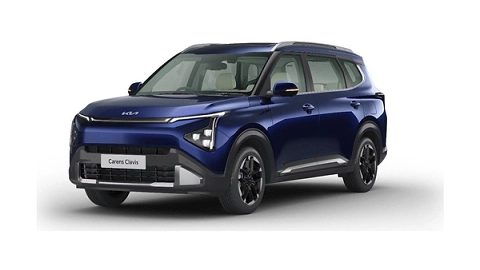
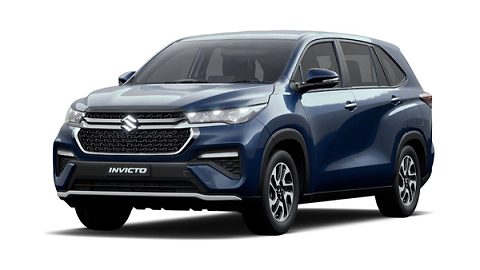
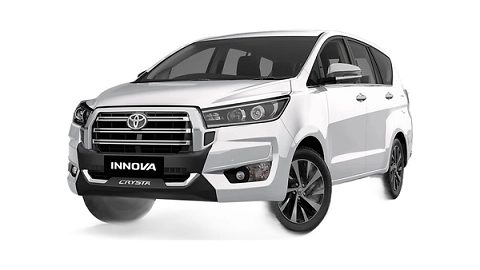
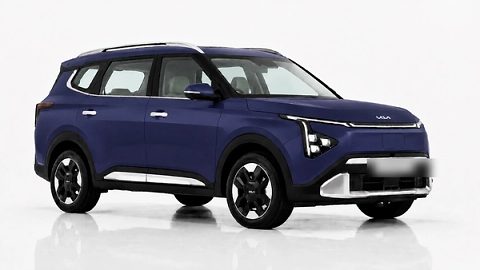
The timing is interesting. MG starts Hector Tomahawk PHEV deliveries in late October 2026, just weeks after the HyCross facelift. The Tomahawk is a plug-in hybrid (you charge it to run purely on electric for a range, then petrol takes over), with the range starting at ₹13.99 lakh. The HyCross is a self-charging hybrid, so no charging hassle but no long electric-only running either. The Kia Carens Clavis EV (₹18–25 lakh) is a full electric that needs charging access. Within Toyota's own house, the Maruti-badged Toyota Innova sibling Invicto sits at ₹24.94–28.71 lakh, and the older diesel Innova Crysta runs ₹19.72–26.63 lakh. If you drive long distances and can't charge at home, the HyCross hybrid still makes the most sense.
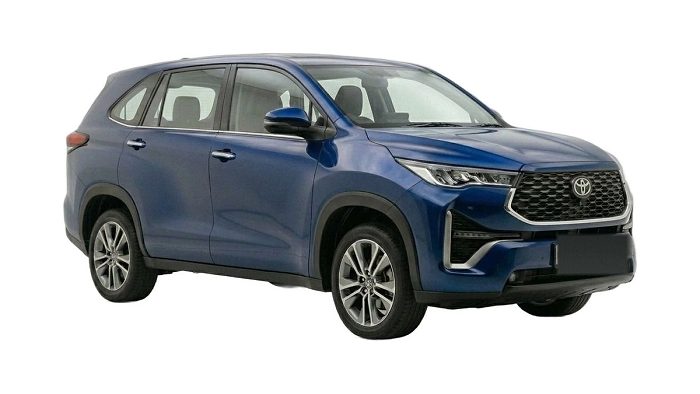
Toyota Innova Hycross
MUV/MPVShould you buy the facelift, grab a discount, or wait?
Here's the honest call. If you want the newest look and the best resale value later, wait for the facelift in October. If you just want a great family car and don't care about the new face, the current model will likely sell at a discount as dealers clear stock, and the engine is identical anyway. The strong hybrid's ₹90–100 per litre worth of fuel savings pays back its premium if you drive 12,000–15,000 km a year. In UP, strong hybrids also get a road-tax waiver worth over ₹1.8 lakh, so check your state RTO. One more angle: Toyota is working on a lower-spec hybrid to replace the diesel Crysta around 2027, so budget-focused hybrid buyers could hold on. But that's still a year away and unconfirmed.
References: Toyota India — official website