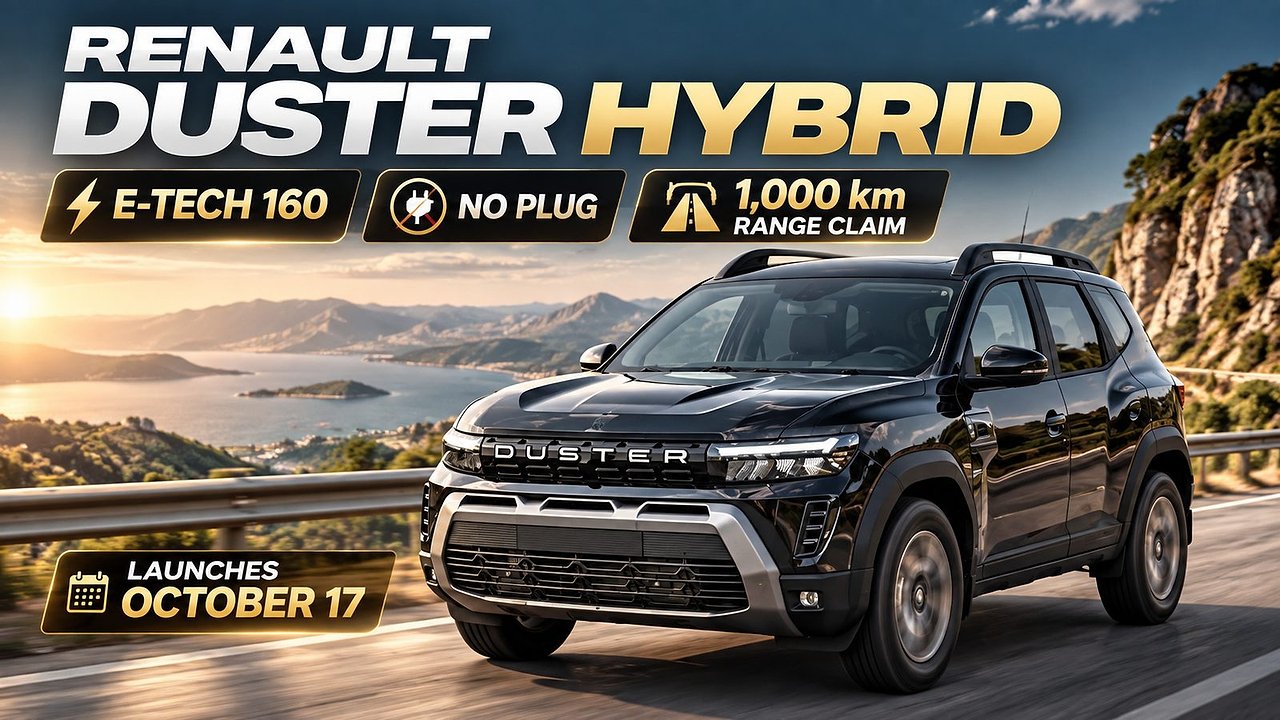
The Renault Duster now gets a second heartbeat. On top of the petrol range that starts at ₹10.49 lakh, there's a strong hybrid at ₹16.99 lakh that claims 29 kmpl and, crucially, never needs a plug. But it costs ₹4 lakh more than our own ₹12.99 lakh mild-hybrid turbo. So the real question is: does the fuel saving ever catch up?
Duster Strong Hybrid price: ₹16.99–19.49 lakh, where it sits in the line-up
The hybrid comes in three trims, all automatic. The Evolution starts at ₹16.99 lakh, the Techno is ₹18.99 lakh, and the top Emotion is ₹19.49 lakh (all ex-showroom). On-road prices will be higher once you add road tax, registration and insurance, and that varies by state. These introductory prices hold for bookings until 31 December 2026. For context, the petrol Duster still sells from ₹10.49 lakh (base Authentic). The 1.3-litre turbo mild-hybrid petrol trims run ₹12.99 lakh to ₹18.49 lakh. So the cheapest hybrid is about ₹6.5 lakh over the base petrol and ₹4 lakh over the mild-hybrid turbo. Dual-tone paint adds another ₹20,000.
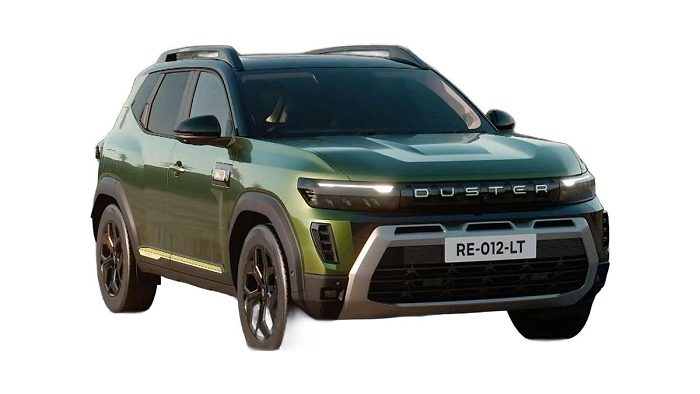
Renault Duster
SUVTrim walk-up: Evolution vs Techno vs Emotion, what each ₹2L step buys
The Evolution at ₹16.99 lakh gets you the basics: a 10.1-inch touchscreen, wireless Android Auto and Apple CarPlay, a 7-inch digital driver display and dual-zone climate control. Safety is strong even here, with six airbags, ESC and a rear camera. The Techno at ₹18.99 lakh adds a panoramic sunroof, keyless entry, push-button start and connected-car tech. That ₹2 lakh jump is mostly comfort kit. The top Emotion at ₹19.49 lakh brings a 10.25-inch digital cluster, ventilated and power-adjustable front seats and a powered tailgate. If you want the full-feature hybrid, the Emotion is the pick, but the Evolution covers the essentials for ₹2.5 lakh less.
Renault Duster — Price by variant
| Variant | Ex-showroom price |
|---|---|
| Authentic | ₹10.49 lakh |
| Evolution | ₹11.69 lakh – ₹14.49 lakh |
| Adventure Edition | ₹12.99 lakh – ₹15.59 lakh |
| Techno Plus | ₹15.29 lakh – ₹16.89 lakh |
| Iconic | ₹16.99 lakh – ₹18.69 lakh |
| Emotion | ₹20.09 lakh |
(Price* as of October 2026)
The hybrid system: 1.8L plus two motors, 29 kmpl, no plug needed
Here's how it works in simple terms. The Duster uses Renault's E-Tech 160 system: a 1.8-litre petrol engine, two electric motors and a small 1.4 kWh battery. The petrol engine makes 110 hp, while a 50 hp motor (which drives the front wheels) adds 208 Nm of torque (pulling power). Combined output is 160 PS. You never plug it in. The petrol engine recharges the battery itself, and the car switches between pure-electric, petrol-only and mixed modes on its own. Renault claims up to 80% of city driving can happen on the motor alone, which is where hybrids save the most fuel. ARAI (a government test, always higher than real driving) rates it at 29 kmpl. Expect 20–22 kmpl in real city-highway use. It does 0–100 km/h in 9.6 seconds, so it's no slouch.
Payback math: ₹4L over our mild-hybrid. When do you break even?
This is the part that decides your purchase. At 29 kmpl and ₹100/litre, the hybrid costs around ₹3.4/km. The mild-hybrid turbo does 17.75 kmpl, so roughly ₹5.6/km. That's a saving of about ₹2.2 per km. Spread over the ₹4 lakh price gap, you'd need to drive around 180,000 km to break even. At 15,000 km a year, that's 12 years. That's a long time. But if you live in a state like UP that waives road tax on strong hybrids (worth about ₹1.8 lakh), the real gap drops to roughly ₹2.2 lakh, and payback falls to around 8 years. Check your RTO, because this waiver changes everything. The simple read: the more you drive in city traffic, the faster the hybrid pays off.
Features and safety: what you lose vs the ₹16.99 lakh petrol iconic
The hybrid keeps the strong stuff: six airbags as standard, ESC, hill-hold, four-wheel disc brakes, a TPMS and ISOFIX mounts. Bharat NCAP has given the Duster a five-star rating (top crash-safety score for adults and kids). It also gets the comfort-focused FDD suspension (adjusts to road bumps for a smoother ride). But there's a catch that buyers need to know. Unlike the top petrol variants, the hybrid skips the 360-degree camera and Level 2 ADAS (safety tech that can brake and steer for you). So at ₹16.99 lakh, the hybrid Evolution actually has less driver-assist kit than the petrol Iconic at the same price. If ADAS matters to you, that's a real trade-off.
Boot space, real mileage and the Maruti-Toyota hybrid gap
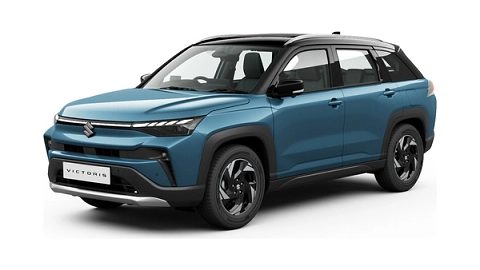
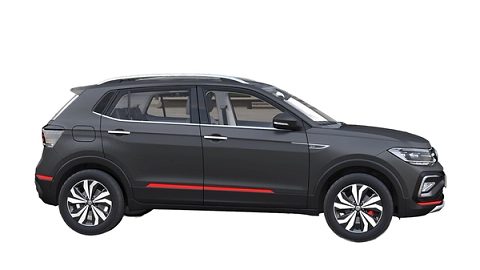
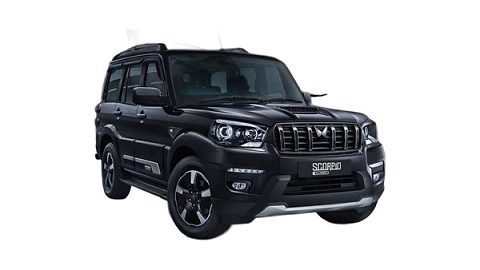
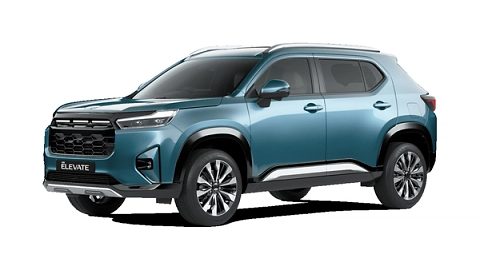
The battery sits under the boot floor, so you lose space. The petrol Duster offers 518 litres; the hybrid drops to 372 litres. That 146-litre loss is a family's weekend bags. If you regularly load up for Lonavala trips with five people, factor this in. On rivals, the Duster hybrid takes on the Maruti Grand Vitara, Maruti Victoris and Toyota Urban Cruiser Hyryder strong hybrids. Against the mild-hybrid crowd, the Maruti Fronx (₹6.90–12.03 lakh) is far cheaper, but its 48V mild-hybrid can't drive on electric alone, so it's a different thing entirely. The Duster's full strong hybrid is more like the Grand Vitara in terms of tech.
Should you buy the hybrid or stick with petrol? And which trim
Be honest about your yearly running. If you drive under 12,000 km a year, mostly in a non-waiver state, the ₹12.99 lakh mild-hybrid Evolution makes more sense. Buy that and keep the ₹4 lakh. The payback just takes too long. But if you clock 15,000 km or more in stop-go city traffic, and you're in UP or another strong-hybrid tax-waiver state, the hybrid Evolution pays back in about 8 years and gives you near-silent electric city driving. The one niggle is the smaller boot and the missing ADAS. My pick: the hybrid Evolution at ₹16.99 lakh for the city commuter, or wait for real-world mileage figures to settle before stretching to the ₹19.49 lakh Emotion.
References: Renault India — official website