Land Rover's most iconic SUV is going electric, and we now have our first proper look at it. Spy shots show the Range Rover Electric testing with a blanked-off grille, aero wheels and the same boxy silhouette you know. It will slot above today's Range Rover, which already costs ₹2.40 crore for the base HSE diesel and up to ₹4.66 crore for the 606 bhp SV. So the real question for you: wait for the EV, or buy the diesel now?
Range Rover Electric spy shots: what the camouflage reveals
The test car wears light camouflage, but the shape gives it away instantly. It's the same long, upright Range Rover body, just with EV touches. You can spot a closed-off grille (no engine to cool, so no need for a big air opening) and aero-friendly wheels that cut drag to add range. The second-row seats, dashboard and infotainment screen are all visible in the shots too. This is clearly a Range Rover first and an EV second, which is exactly how Land Rover wants it.
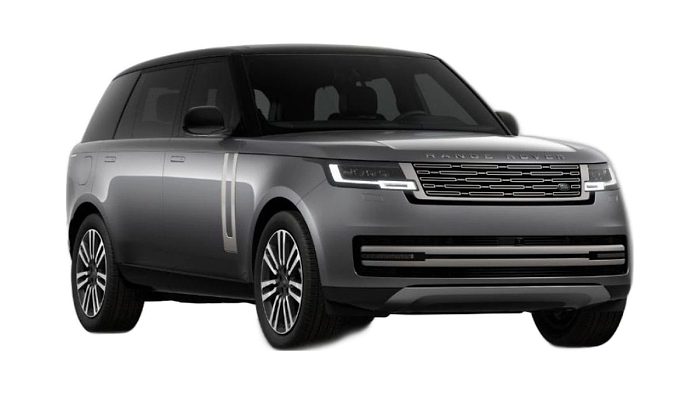
Land Rover Range Rover
SUVDesign: how the EV differs from the petrol/diesel Range Rover
At a glance, very little has changed, and that's deliberate. The current Range Rover (₹2.40–4.66 crore) is renowned for its clean, flat surfaces and hidden door handles, and the Electric keeps all of that. What's new is mostly under the skin. Expect the blanked grille, subtle EV badging and new alloy designs built for efficiency. Spy shots also reveal fresh paint options, including Belgravia Green, Senja Green, Santorini Black and Varesine Blue. So this is evolution, not a redesign. If you love how the current car looks, you'll like this one too.
Interior & tech: dashboard, screens and luxury
The cabin looks familiar, which is particularly reassuring news if you like the current car. Spy shots show the same minimalist dashboard, a large central touchscreen (infotainment system) and a leather-wrapped gear selector. Second-row seats appear to carry the same lounge-like comfort the Range Rover is known for. Like the petrol and diesel models, it stays a 5-seater (a 7-seat long-wheelbase could follow later). Expect the usual wood, metal and leather finishes, plus likely upgrades to screen size and connected features. Land Rover won't risk the cabin that keeps buyers coming back.
Powertrain & range: battery, claimed km and charging
This section is where the Electric fully breaks from the current line-up. Today's Range Rover uses petrol and diesel engines, making 346 to 606 bhp, mated to an automatic gearbox. The electric swaps all that for a big battery pack and electric motors, so it'll be near-silent and instantly quick off the line. Land Rover is targeting a range well above 500 km on a full charge (the official number, which real-world driving usually trims to roughly 70 per cent, so think around 350 km in mixed use). Exact battery size (the kWh figure, basically how big the battery is) and charging times aren't confirmed yet. Expect fast DC charging to get you from 10 to 80 per cent in under an hour.
Price in India: vs Maybach EQS SUV and current Range Rover
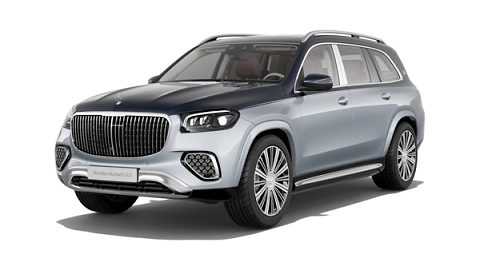
Here's a look at the cost. The current Range Rover starts at ₹2.40 crore for the HSE diesel and climbs to ₹4.66 crore for the SV. The Electric, being the newest and most expensive tech, will almost certainly start north of ₹2.5 crore (ex-showroom, so add road tax, registration and insurance for the on-road price, which varies by state). Its most direct EV rival is the Mercedes-Maybach EQS SUV at ₹2.40–2.65 crore. The Maybach plays the chauffeur-driven, rear-seat luxury card. The Range Rover Electric will likely lean on its off-road DNA and a more driver-focused feel. On price they'll be neck and neck at the entry point.
Launch timeline & rivals in India
Land Rover hasn't announced an India launch date yet. Based on how global launches usually reach India, a 2027–28 arrival looks realistic, though that's not confirmed. Beyond the Maybach EQS SUV, buyers at this price also look at the Audi RS Q8 Performance (₹2.38 crore) and the Toyota Land Cruiser (₹2.18–2.25 crore), though both are petrol, not electric. For now, the Range Rover Electric is the only true EV in this circle that promises proper Range Rover capability. That's its biggest selling point.
Should you wait for the electric or buy the ₹2.4 crore diesel now?
It depends on how long you can wait. If you want a Range Rover today and value the proven diesel, the HSE at ₹2.40 crore makes sense and won't feel dated. But if silent running, zero tailpipe emissions and lower running costs matter to you, the Electric is worth holding out for, likely a year or two away. There's no central cash subsidy on a luxury electric car like the Electric, though some states waive road tax or registration, so check your RTO. My honest take: wait for real-world range and charging reviews before you commit. Spy shots look promising, but at ₹2.5 crore-plus, you want proof, not promises.
References: Land Rover India — official website
Read next
- Land Rover Defender Sport spied testing: a lower, sportier Defender to replace the Discovery Sport?
- Land Rover Defender Octa launched in India at ₹2.59 crore: 635 PS V8, 4-second sprint
- Range Rover Electric breaks cover: 542 hp, 535 km range, no India date yet
- Range Rover Electric Bookings Open in India: 550 bhp, 600 km Range