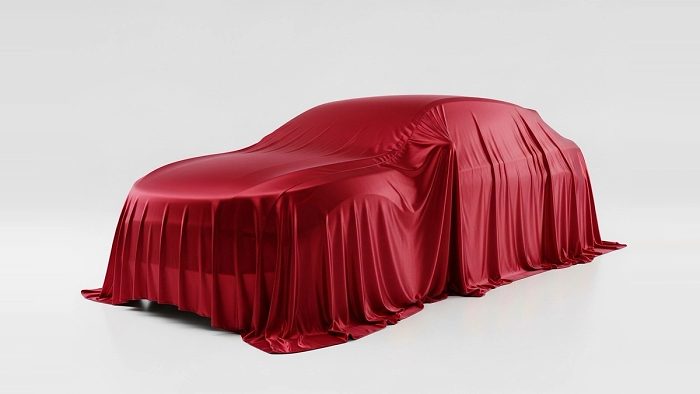
JSW Motors will pull the covers off the Combat, its first car as an independent brand, on December 4. It's a plug-in hybrid SUV (petrol engine plus a battery you can charge from a wall socket) based on the Chery Jetour T2. The pitch: drive about 90 km daily on electricity alone, then let the petrol engine handle long trips, for a combined range near 1,200 km. The one thing not nailed down yet? The price.
December 4 reveal vs Diwali launch: what's actually confirmed
Let's clear this up first. December 4, 2026, is a reveal date, not a confirmed on-sale date. Our catalogue expects the actual launch around Diwali 2026 (October to November), so bookings and deliveries could trail the reveal by weeks. JSW hasn't put out a firm launch-and-price date yet. What is clear: this is JSW's first passenger vehicle since it split from the MG partnership, and it'll be locally assembled in Maharashtra. Treat the December date as the public unveiling, with price and variants likely to follow close behind.
JSW Combat
SUVPlug-in hybrid explained: 90 km on electric, 1,200 km total
A plug-in hybrid (PHEV) is the middle path between a petrol car and a full EV. You charge the 18.4 kWh battery from a plug, then drive up to 90 km (NEDC, a lab test that reads higher than real driving) purely on electricity. Expect a realistic 60–70 km in city use. For most daily office runs and school drops, that means you barely touch petrol. On a highway trip, the 1.5-litre turbo-petrol engine kicks in, and the claimed combined range is around 1,200 km before you need both a fuel pump and a charger. So no charging stops on a Mumbai–Pune run if you don't want them.
Expected price ₹22–28 lakh, but reports say higher
Here's the real unknown. Our catalogue pegs the combat at ₹22–28 lakh (ex-showroom). But at least one report points much higher, at ₹30–50 lakh, positioning it against the Toyota Fortuner and Jeep Meridian. That's a giant gap, and it changes the whole story. At ₹22–28 lakh, the Combat is a tech-loaded PHEV undercutting pricier hybrids. At ₹30 lakh-plus, it's fighting full-size SUVs on badge value, which is tough for a brand-new name. On-road price will add road tax, registration and insurance on top, and that varies by state. Some states offer road-tax relief on hybrids and PHEVs under ₹30 lakh, so check your RTO before you budget.
Design and cabin: Jetour T2 blueprint, 15.6-inch screen

The Combat is expected to look nearly identical to the Jetour T2. That means a boxy, rugged shape, a five-slat grille, rectangular LED headlamps, flared wheel arches and 20-inch alloy wheels. Roof rails, side steps and old-school pull door handles add to the tough-SUV look, while a tailgate-mounted spare wheel at the back completes the package. Inside, expect an all-black cabin with red stitching, a crystal-style gear shifter and a big 15.6-inch touchscreen paired with a 10.25-inch digital driver's display. There's also a 540-degree camera, electronic parking brake with auto hold and customisable drive modes. It's a 5-seater, so no third row here.
Powertrain and charging: 350 PS, 27-minute fast charge
This is where the combat gets interesting. The 1.5-litre turbo-petrol engine works with two electric motors and the 18.4 kWh battery. The all-wheel-drive version is expected to make 350 PS and 610 Nm of torque (pulling power), which is seriously strong for the segment. A front-wheel-drive version with a milder output has also been seen globally. On charging, a 50 kW DC fast charger takes the battery from 30 to 80 percent in about 27 minutes. A 6.6 kW home AC charger fills it fully in roughly 3 hours. In petrol mode, after the battery runs low, real-world mileage of around 25 km/l is realistic, keeping running costs sensible.
Combat vs Alcazar vs Creta Electric: where it slots
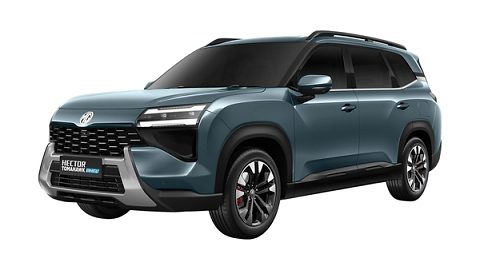
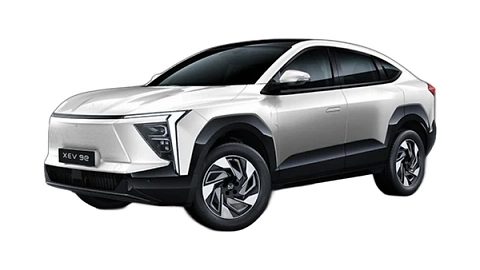
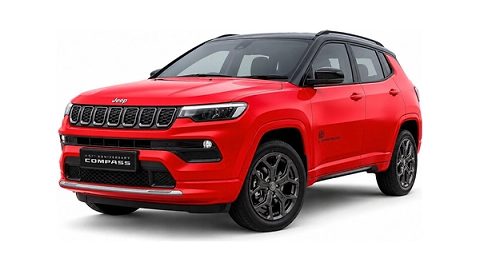
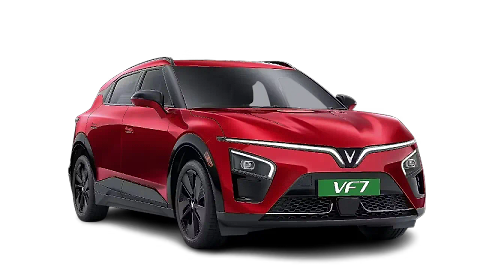
The Combat's biggest selling point is tech; its rivals in the ₹22–28 lakh range don't have it. The Hyundai Alcazar (₹14.51–21.96 lakh) is petrol/diesel only, so even the Combat's expected ₹22 lakh base brings plug-in hybrid flexibility the Alcazar can't match. The Hyundai Creta Electric (₹14.53–25.22 lakh) is a full EV, which means no petrol backup for long drives, exactly the gap the Combat fills. The MG ZS EV and Mahindra XUV400 are smaller, cheaper EVs playing a different game. In short, the Combat is for buyers who want EV-style daily commuting without worrying about charging on highway trips. That's a genuine niche if the price lands near ₹22–28 lakh.
Should you wait for the JSW Combat?
If you want a daily electric commute plus petrol for long trips, the Combat looks promising on paper. The 90 km electric range, 27-minute fast charge and strong 350 PS output are real draws, and ADAS plus a big screen sweeten it. But two things give pause. One, this is JSW's first independent car, so reliability and after-sales service are completely unproven. Two, the price gap (₹22–28 lakh vs reports of ₹30–50 lakh) means you can't properly judge value yet. My advice: wait for the December 4 reveal and the official price before deciding. If it lands near ₹22–28 lakh, it's worth a serious look for families who do heavy city running but take a few long trips a year.