Tata has quietly added Battery-as-a-Service (BaaS) to the Punch.ev and Tiago.ev. In simple words, you buy the car without the battery, so the price drops a lot, but you pay a small rent for every kilometer you drive. The upfront saving looks great. The catch is you keep paying ₹2.6/km forever, so whether it's a smart deal depends entirely on how much you drive.
Tata BaaS pricing: Punch.ev ₹6.49L, Tiago.ev ₹4.69L, the upfront saving
The Tata Punch.ev normally starts at ₹9.69 lakh (ex-showroom) for the base Smart variant with the 30 kWh (the battery size) pack. Under BaaS, that same car costs just ₹6.49 lakh. That's ₹3.2 lakh off the sticker, roughly the price of a small used car. The Tata Tiago.ev is the cheaper play: normally ₹6.99 lakh, it drops to ₹4.69 lakh under BaaS, a ₹2.3 lakh cut. Remember, ex-showroom means the on-road cost is higher after road tax, registration, and insurance, and that varies by state.
The ₹2.6/km rental: What it really costs over 5 and 10 years
This is where you need to do the math. At ₹2.6/km, the rental adds up fast. Drive 10,000 km a year, and that's ₹26,000 in battery rent annually. Over 5 years, you pay ₹1.3 lakh in rental. Over 10 years, ₹2.6 lakh. Now compare that to the ₹3.2 lakh you saved upfront on the Punch EV. If you drive about 12,300 km a year, in 10 years your rental payments roughly equal the money you saved. Drive more than that, and BaaS starts costing you more than just buying the battery outright. Drive less, and you stay ahead.
Which variants qualify? Only base Smart and entry Tiago.ev for now
Here's the honest limit. Tata has confirmed BaaS only on the base Smart variant of the Punch.ev (the 30 kWh version) and the entry-level Tiago. ev. If you want a higher trim with the bigger battery, more range, or extra features, the BaaS price isn't out yet. Tata is expected to announce those terms later. So if you had your eye on a top-spec punch. Ev, you're waiting. For now, this deal is aimed squarely at the most budget-focused buyer.
How Tata's BaaS compares: MG Comet, Hyundai Creta Electric, Maruti eVitara
Tata's biggest strength here is the rental rate. Its ₹2.6/km is the cheapest per-km charge among BaaS EVs right now. The MG Comet EV BaaS starts at ₹4.92 lakh, just ₹23,000 more than the Tiago.ev, but it charges ₹3.2/km, which is 19% costlier per km. Over years of driving, that gap adds up in Tata's favor. Bigger EVs cost more to run: the Hyundai Creta Electric BaaS starts at ₹10.99 lakh with ₹3.9/km, and the Maruti eVitara starts at ₹10.99 lakh but charges ₹3.99 to ₹4.39/km depending on the variant. So for pure running cost, Tata's small EVs are the frugal pick.
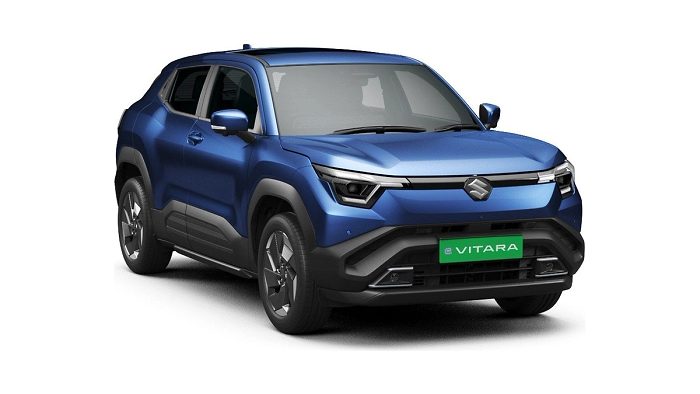
Maruti Suzuki e Vitara
SUVShould you take BaaS or buy the battery outright?
It comes down to one question: how much do you drive? If you're a low-mileage city user doing 8,000 to 10,000 km a year (school runs, office, and weekend Lonavala trips), BaaS makes real sense. Your rental stays low, and you free up ₹2.3 to ₹3.2 lakh upfront. But if you're a high-mileage user clocking 15,000 km or more a year, the ₹2.6/km rent will overtake the saving in just a few years. In that case, owning the battery is smarter over the long run.
Validity and fine print: What to check before signing
BaaS is a subscription, so read the terms carefully. Tata hasn't publicly detailed the buyback and resale rules for these two models, so ask your dealer exactly what happens if you sell the car with a battery you don't own. Also confirm the battery warranty and whether the rental can be revised later. Remember, EVs qualify only for state road tax and registration waivers (check your RTO), never a central cash subsidy on the car itself. Since higher variants' BaaS terms are still unknown, waiting for the full lineup is a perfectly valid stance if you want a mid- or top trim.
References: Tata India — official website