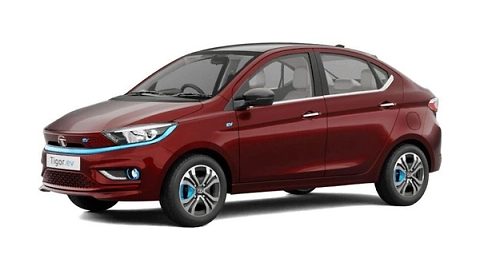
If you have been eyeing an electric car but the sticker price kept putting you off, this update is worth your time. Tata Motors has extended its Battery-as-a-Service (BaaS) option to every electric passenger car it sells. The Tiago EV and Punch EV already had it. Now the Nexon EV, Curvv EV, Sierra EV, and Harrier EV get it too.
In this guide, we go through the new prices, how the scheme works, what is not included, and who should actually go for it.
What is Battery-as-a-Service (BaaS)?
In a regular EV purchase, the battery is part of the car's price. The battery is the most expensive component in an electric car, so it is also the main reason EVs cost more than petrol or diesel cars.
BaaS splits this in two. You pay for the car without the battery, which brings the upfront price down. The battery cost is handled through a separate payment.
JSW MG was among the first to bring this model to India, and other brands are following. Mahindra has offered similar options on the XEV 9S and XEV 9e. Tata has now taken it across its whole EV lineup.
Tata EV BaaS Prices: Model-Wise Chart
Here is how the prices compare. These are for the entry-level variant of each model.
*Based on Tata's usage assumptions. Electricity for charging is not included. Prices are ex-showroom for entry-level variants. Road tax, insurance, TCS, and other charges are extra.
The Tiago EV is the cheapest way into a Tata EV at Rs 4.69 lakh. At the top, the Harrier EV starts at Rs 14.49 lakh under BaaS. The upfront saving grows with battery size, from Rs 2.30 lakh on the Tiago EV to Rs 7.30 lakh on the Harrier EV.
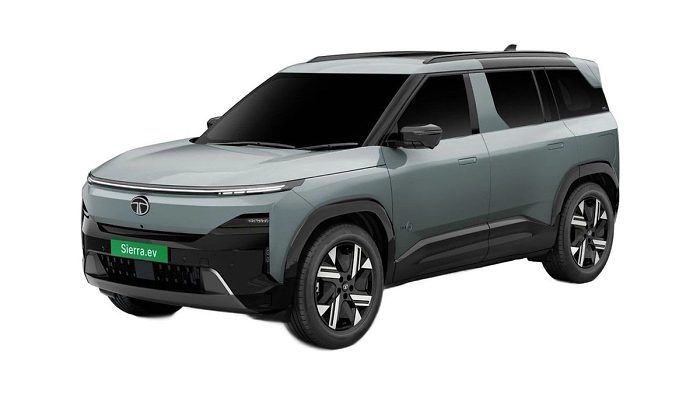
Tata Sierra EV
SUVDrilling Down into the Numbers
We did some quick math on Tata’s numbers to see what popped out.
1. The front end is off by about a third across the range. The BaaS price is almost 33 percent less than the regular price on Tiago, Punch, and Harrier. It is 36-37 percent less than Nexon, Curvv, and Sierra.
2. The battery is worth around Rs 11,000/kWh. Divide the price difference of each car by its battery size, and it works out to roughly Rs 10,700 to Rs 12,100 per kWh across the range. This is our own estimate based on the published prices and is not an official Tata figure.
3. Per kilometer costs become a rough monthly number. Tata has calculated this on the basis of 60 km of daily driving for most models and 44 km for the Tiago EV. Assuming a 30-day month, the battery cost is ballpark
These are ballpark figures only. The real payment depends on the finance partner, your down payment, and the tenure you pick.
How Tata's BaaS Scheme Works
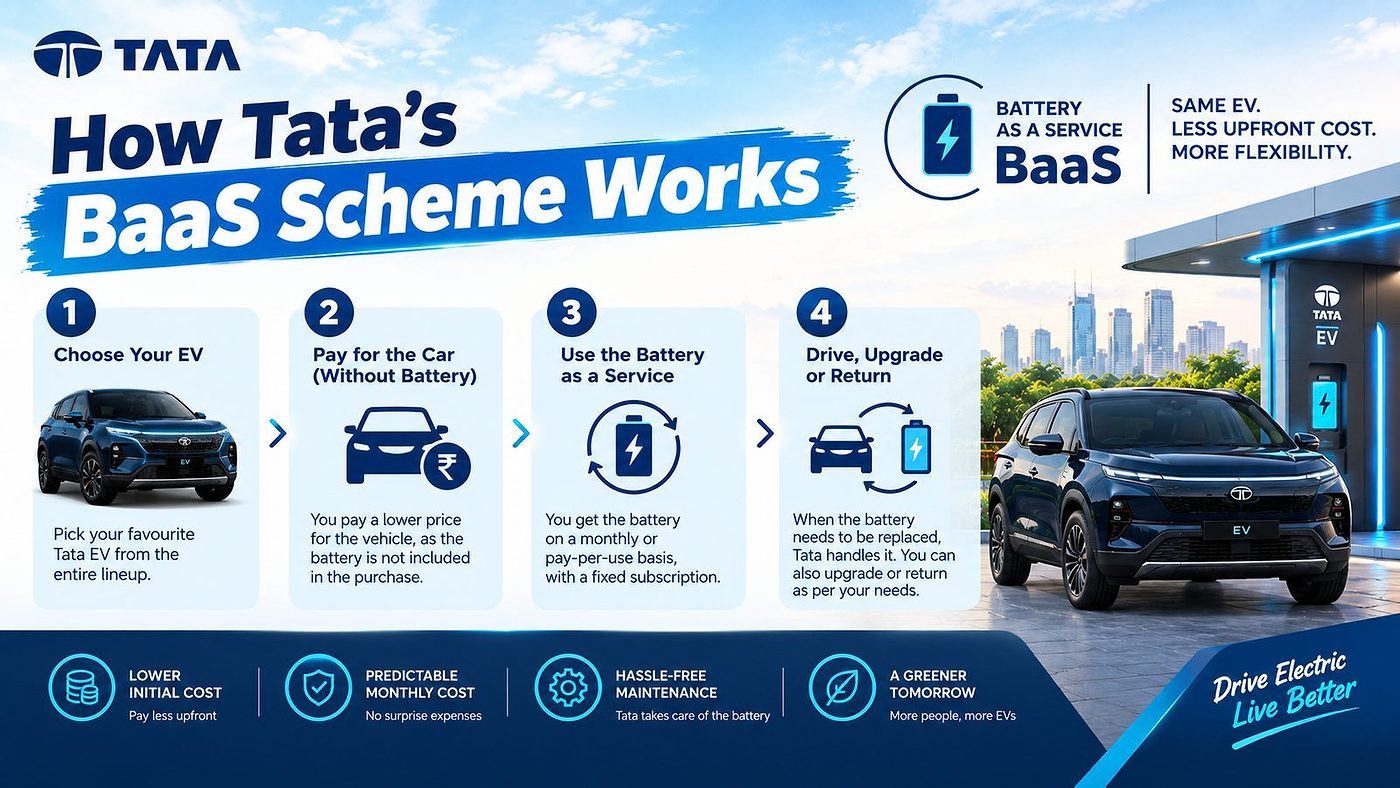
Tata has structured BaaS as a dual-loan finance product. You take one loan for the vehicle and a separate one for the battery. The battery payment is calculated on its own, based on:
- Battery capacity of the car you choose
- The down payment you make
- The loan tenure
A few things to keep in mind:
- BaaS is optional. You can still buy any Tata EV the normal way, with the battery included.
- It is for personal buyers. The offer is meant for individual customers.
- Tata has tied up with multiple finance partners, so you may get a choice of lenders.
- The listed prices are for base variants. Higher variants will cost more.
What BaaS Does Not Include
This is where many buyers get confused, so read carefully.
Charging is not covered. The per-km figures are only the cost of the battery. Electricity, whether you charge at home or at a public station, is on you.
Other costs are separate too:
- Maintenance and repairs
- Insurance
- Road tax
- TCS and other statutory charges
The lower BaaS price is also not a discount. The battery cost has not disappeared. It has only moved from a lump sum at purchase into a separate monthly payment.
Who Should Consider BaaS?
Do the math on total cost over your expected ownership period, not just the monthly payment. A lower ex-showroom price feels great on day one, but two finance products together can cost more in the long run.
Why This Move Matters
Tata is the largest EV seller in India's passenger car market, so putting BaaS on its whole range makes the model more mainstream. Until now it was mostly a niche option. With more brands offering it, buyers get real alternatives and can compare structures instead of just comparing cars.
For first-time EV buyers especially, a starting price of Rs 4.69 lakh for the Tiago EV changes the conversation.
Our Take
BaaS is a smart tool, but it is a finance tool, not a free discount. If you want a Tata EV at a lower entry price and are comfortable with a separate battery payment, it is worth a serious look. Compare both options side by side: the regular purchase with a single EMI and the BaaS route with two payments. Ask the dealer for the exact battery payment, tenure, and interest rate in writing before you decide.
Frequently Asked Questions
Which Tata EVs get BaaS?
All six: Tiago EV, Punch EV, Nexon EV, Curvv EV, Sierra EV, and Harrier EV.
What is the cheapest Tata EV with BaaS?
The Tiago EV at Rs 4.69 lakh (ex-showroom, base variant).
Can I still buy the car with the battery included?
Yes. BaaS is an extra option, not a replacement.
Does the per-km cost include charging?
No. It covers only the battery. Charging, maintenance, and insurance are extra.
Is BaaS available for commercial buyers?
It is being offered to personal users.
Is the BaaS price a discount?
No. The battery cost is moved into a separate payment.
Prices and terms are based on details announced by Tata Motors in September 2026 and may change. Please confirm final figures with your nearest Tata dealership before booking.