Three lakh Kia Carens on Indian roads in under three years. That's a big number for a car that costs more than most rivals in its class. The real question for you: does this demand mean you pay more and wait longer, or can you still bargain? Let's break it down with the actual prices and variants.
3 lakh Carens sold: what the number really signals
The Kia Carens family has now crossed 3 lakh units sold in India. That's steady, strong demand for a 6/7-seater MPV that launched priced well above the old Ertiga bracket. For a car that isn't the cheapest option, hitting this figure this fast tells you Indian families trust it. More important for you as a buyer, high, steady sales usually mean better resale value later. A car people keep buying is a car people keep wanting second-hand.
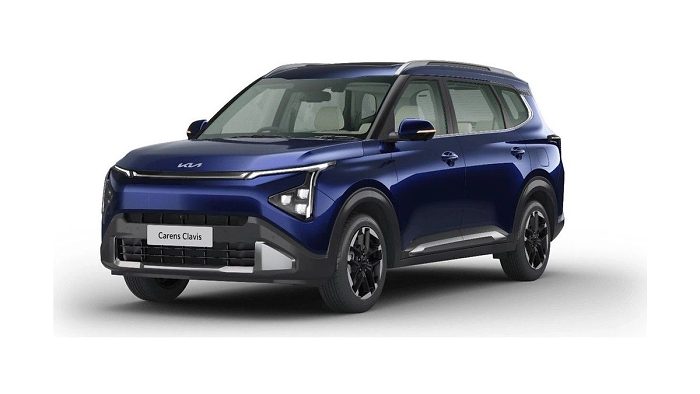
Kia Carens Clavis
MUV/MPVWhich variants drove the numbers? (₹11L vs ₹16L vs ₹19L)
The Kia Carens starts at ₹11.27 lakh for the base HTE petrol and stretches to ₹21.67 lakh at the top (all ex-showroom). But the base HTE at ₹11.27 lakh is a stripped-down car most families skip. The real volume sits in the middle, around the HTK Plus (₹15.28 lakh petrol, ₹16.32 lakh diesel) and HTX trims (₹17.96 lakh onwards). These add the features families actually want, like a bigger screen, sunroof and better safety kit. If you want the sweet spot of price and features, the HTK Plus or HTX is where most buyers land, roughly the ₹16–19 lakh band.
Kia Carens vs Ertiga and XL6: was the price gap worth it?
The Kia Carens base at ₹11.27 lakh is about ₹2.42 lakh more than the Maruti Ertiga's ₹8.85 lakh start. At the top, the Carens (₹21.67 lakh) sits over ₹7 lakh above the Maruti XL6 (₹14.53 lakh). So the Carens plays in a much higher bracket. What justifies it? A more premium cabin, a genuine turbo-petrol option (158 bhp), a proper diesel, and Kia's feature-loaded top trims. The Ertiga and XL6 are still lighter on the wallet and famously frugal, but they don't offer the Carens' power or plushness. Three lakh sales say plenty of families were happy to pay the premium.
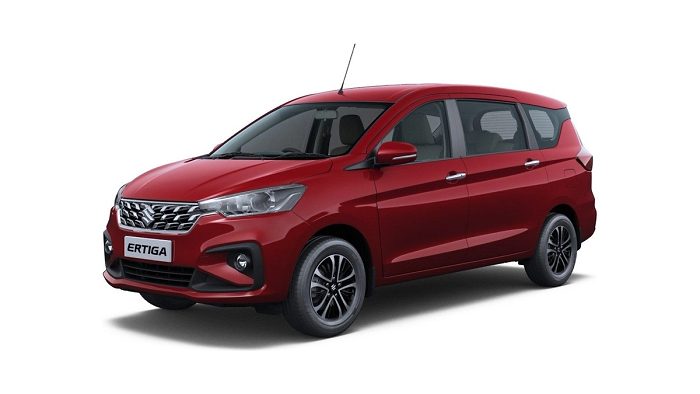
Maruti Suzuki Ertiga
MUV/MPVDiesel vs petrol: which makes sense for a family MPV?
The Kia Carens diesel returns 19.54 kmpl (ARAI, a government test that runs higher than real driving). Expect closer to 15–16 kmpl in real family use with a full load. The 1.5 petrol claims 15.95–16.66 kmpl, but with five people and luggage headed to Lonavala, real figures drop more sharply. For a 7-seater that carries weight and does long highway runs, the diesel's pulling power and better mileage make more sense if you drive over 1,500 km a month. City-only, low-running families are better off with the 113 bhp petrol or the peppy 158 bhp turbo. The turbo (with DCT auto) is the fun pick, but it's the thirstiest of the lot.
Should you buy now or wait?
Here's the honest read. If Kia's waiting period in your city is still long, that's proof of demand and good resale, so booking now is safe. But if your dealer has stock ready, use the maturity of the model to push for a discount, especially on petrol variants that face less demand than diesel. The base HTE at ₹11.27 lakh looks cheap on paper, but it's too basic for a family car. The HTX diesel at ₹18.89 lakh, or the HTK Plus diesel at ₹16.32 lakh, gives you the features and mileage most families actually need. Remember, on-road price adds road tax, registration and insurance, so budget roughly ₹2–2.5 lakh over ex-showroom, and it varies by state.
References: Kia India — official website