

Buying a new car and stuck on which gearbox to pick? The badge on the boot (MT, AMT, CVT, DCT, and iMT) decides your comfort in traffic, your fuel bill and your service cost. Here's each one in simple words, with the honest downside of each.
Why the gearbox choice matters more than you think
The transmission is the part that sends engine power to the wheels and lets you change gears. Pick wrong and you'll either burn extra fuel or hate every traffic jam. In India, city driving means slow, stop-go crawling for hours, so the gearbox affects your daily comfort a lot. It also changes the price: the same car can cost ₹80,000 to ₹1.5 lakh more just for an automatic. And service costs differ too. So this is not a small tick-box; it's a decision you live with for years.
Manual (MT): The old faithful, cheapest to run
Manual transmission is the oldest system; with a clutch pedal and a gear lever, you work it yourself. You press the clutch (which disconnects the engine from the gears), shift, then release. All the control sits with you, which is why driving fans still love it. It's the cheapest to buy and the cheapest to fix, and it gives the best fuel economy. But in slow city traffic, pressing the clutch again and again gets tiring. New drivers also struggle on uphill starts, where the car can roll back.
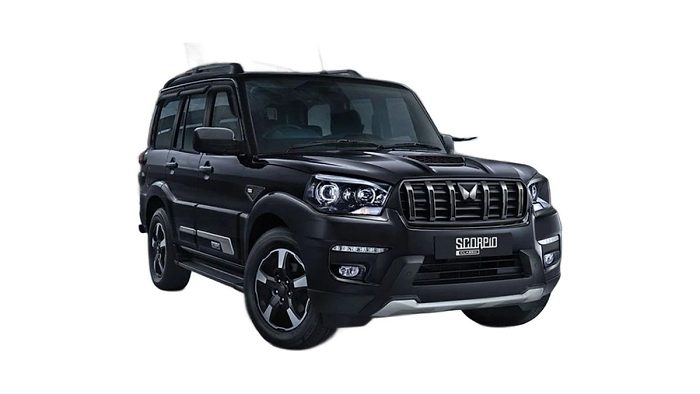
Scorpio Classic
SUVTorque-converter automatic (AT): Smooth but thirsty
This was the first true automatic. It has no clutch pedal. Instead, it uses a torque converter, which is a fluid coupling (oil transfers the power instead of a metal clutch plate). A pump connected to the engine spins the oil, and the oil spins a turbine linked to the gearbox. The gears change on their own using a planetary gear set and a smart control unit. It's very smooth and relaxing, which is why big SUVs use it. The catch: fluid loses some power, so mileage drops, and both the buying price and the service cost are higher.
AMT: The budget automatic most Indians buy
AMT means Automated Manual Transmission. It is basically a normal manual gearbox, but a computer works the clutch and shifts for you. So there's no clutch pedal, which is a big relief in traffic. Because the hardware is simple, it's cheap to buy and cheap to maintain, and it gives mileage close to a manual. That's why budget hatchbacks and small SUVs love it. The downside is the shift quality. You feel a head-nod jerk between gears, and there's a small delay when you floor it to overtake. For a first automatic on a tight budget, it still makes plenty of sense.
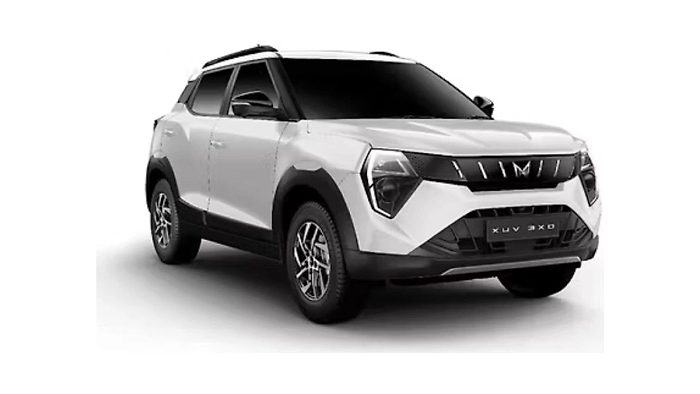
Mahindra XUV 3XO
SUVCVT: The Smoothest ride, but the rubber-band feel
CVT means Continuously Variable Transmission. It has no fixed gears at all. Instead, it uses two pulleys and a belt, and the pulley width keeps changing to give an endless range of gear ratios. Because there are no gear steps, the ride is buttery smooth, and fuel efficiency is good, great for calm city driving. But floor the accelerator and you feel the "rubber band effect": the engine revs loudly first, then the car catches up with a delay. A CVT also can't handle very high torque (pulling power), so you won't find it on powerful performance cars. For a smooth, fuss-free city commuter, though, it's a lovely pick.
DCT: The fast one, used in sporty cars
DCT means Dual Clutch Transmission, and as the name says, it has two clutches. Think of it as two manual gearboxes working together: one handles the odd gears (1, 3, and 5); the other, the even ones (2, 4, and 6). While you drive in first, the computer already pre-selects second on the other clutch. So the next shift is almost instant, with barely any power loss. That's why sporty and performance cars use it, and it also helps fuel economy. The niggle is low-speed behaviour: at crawl speeds in traffic it can feel slightly jerky. And two clutches mean more parts, so repairs cost more.
IMT: Shift yourself, but no clutch pedal
'iMT' means 'Intelligent Manual Transmission', the newest of the lot. There's still a gear lever, and you still choose gears yourself, but there's no clutch pedal; the computer works the clutch. So it's a semi-automatic, not a full automatic. You get freedom from clutch work in traffic while keeping manual-like control and mileage. Being simple, it's cheaper and easier to service than a proper automatic. The trade-off is the same as AMT: shifts aren't as smooth as an AT or CVT, and there's a bit of lag. Only a handful of cars offer it in India right now.
Which gearbox should you buy?
Match the gearbox to your daily drive. If you mostly crawl in heavy city traffic and want the cheapest automatic, AMT is your value pick. Want the smoothest, most relaxed commute? Go CVT or torque-converter AT. Love driving fast and don't mind higher service bills? DCT is the enthusiast's choice. Want manual control minus the clutch ache? Try iMT. And if you enjoy full control and the lowest running cost, a plain manual still wins. There's no single "best", only the best for you.
FAQs
Which automatic transmission is cheapest to buy and maintain?
The AMT is the cheapest automatic to buy and fix, because it's basically a manual gearbox with a computer working the clutch. Service costs stay low, and mileage is close to a manual. That's why most budget cars in India offer it.
Is DCT reliable for Indian traffic?
DCT gives the fastest, smoothest shifts at speed and is used in performance cars. But it can feel slightly jerky at low crawl speeds, exactly the kind of driving Indian city traffic has. With two clutches, it also has more parts, so repair bills run higher than an AMT.
What is the rubber-band effect in a CVT?
When you press the accelerator hard in a CVT, the engine revs jump up first, but the car speeds up with a small delay. This lag is called the rubber-band effect. It's the main reason enthusiasts dislike CVTs, though for calm city driving it stays smooth.
What's the difference between AMT and iMT?
Both have no clutch pedal and use a manual-based gearbox. In AMT the computer both shifts gears and works the clutch, so it's fully automatic. In iMT you still change gears yourself with the lever, and only the clutch is handled by the computer, making it semi-automatic.