Gas prices bounce around, and a hybrid SUV is the easy way to cut your fuel bill without ever hunting for a charger. These crossovers run on a gas engine and a small electric motor that work together, so you just drive and refuel like normal. The question isn't whether to go hybrid in 2026; it's which one fits your family and budget.
Why a hybrid SUV makes sense in 2026
A hybrid SUV gives you the space and ride height Americans love, plus real gas savings. The setup pairs a regular gas engine with an electric motor and a small battery that charges itself while you drive and brake. You never plug it in. Most hybrid SUVs return 35 to 40 MPG combined, nearly double a lot of gas-only crossovers. That can mean $600 to $900 less at the pump each year for an average driver. And unlike a full EV, there's no range worry and no waiting at a charger on road trips.
Best overall: 2026 Toyota RAV4 Hybrid
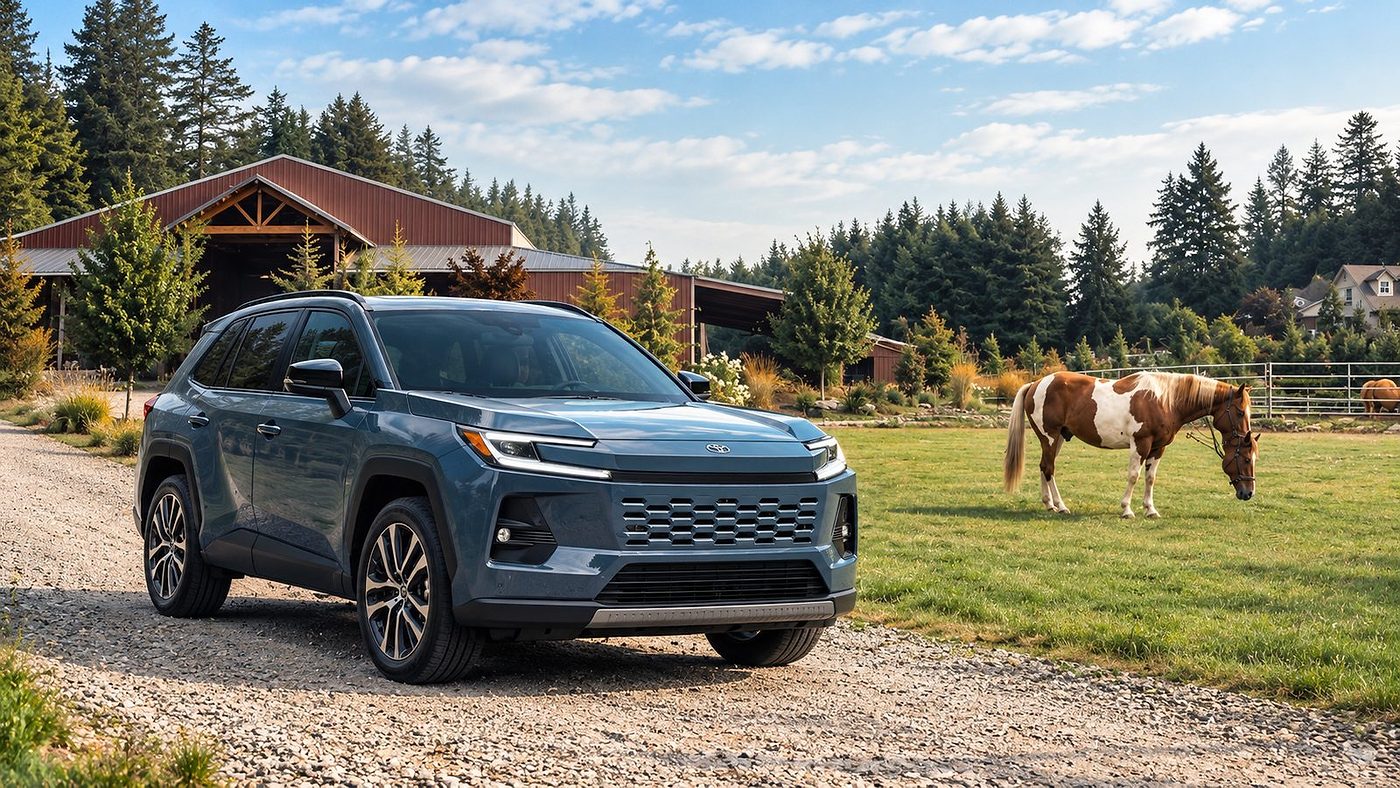
The RAV4 Hybrid is still the one to beat. It returns around 39 MPG combined, which is excellent for a roomy compact SUV. Standard all-wheel drive comes from a separate rear electric motor, so it's genuinely capable in snow and rain. You get Toyota's Safety Sense suite standard, including automatic emergency braking. Cargo space is generous, the back seat fits adults, and resale value is among the strongest in the class. It isn't the most exciting thing to drive, but for reliability and low running costs it's hard to top.
Best three-row family hauler: Grand Highlander Hybrid
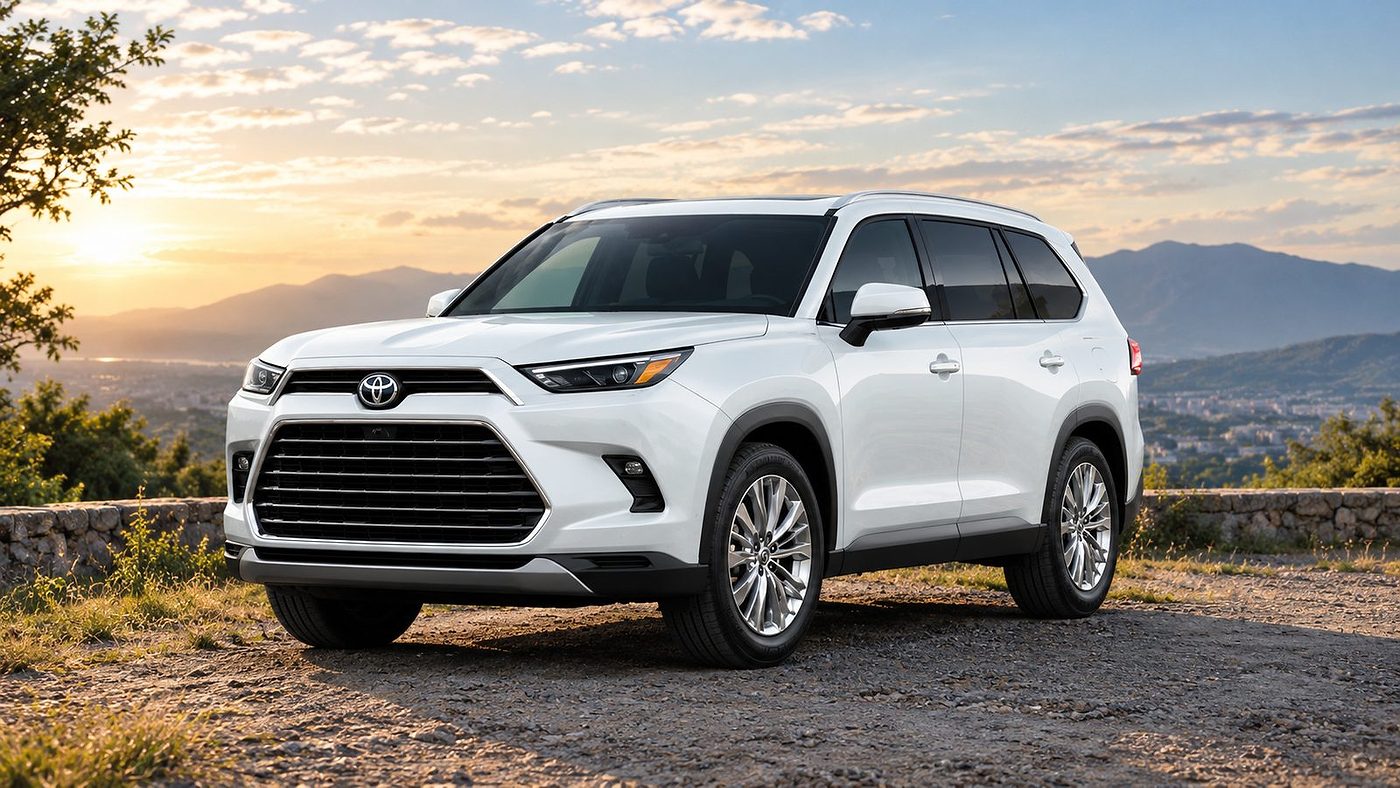
If you need three rows and actual third-row legroom, the Toyota Grand Highlander Hybrid is the pick. It seats up to eight, and, unlike many three-row rivals, the wayback is usable for real people. The hybrid system returns around 34 MPG combined, which is remarkable for a vehicle this size. There's also a punchier Hybrid Max version if you want more power for towing and merging. Big cargo area behind the third row, loads of USB ports, and a comfortable highway ride make it a strong road-trip machine. For big families, this is the sweet spot.
Best value: Hyundai Tucson and Kia Sportage Hybrid
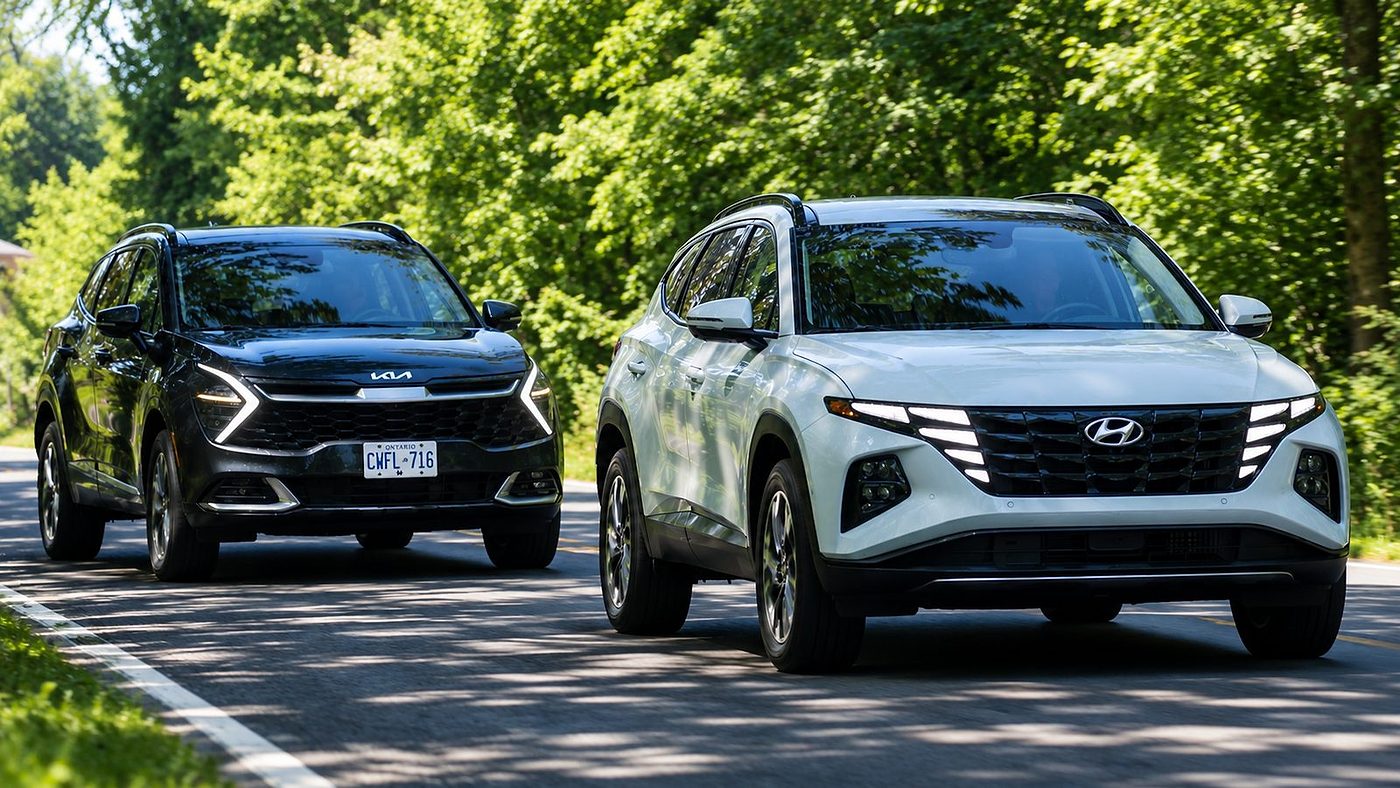
The Hyundai Tucson Hybrid and its cousin the Kia Sportage Hybrid undercut the RAV4 while loading up on features. Both offer around 37 to 38 MPG combined and standard all-wheel drive on hybrid trims. You get bigger screens, more standard tech, and bolder styling for the money. Hyundai and Kia also back these with strong warranties, including long powertrain coverage. The RAV4 may hold its value a touch better over time. But if you want the most equipment per dollar up front, these two are the smart buy.
Best for city drivers: Honda CR-V Hybrid
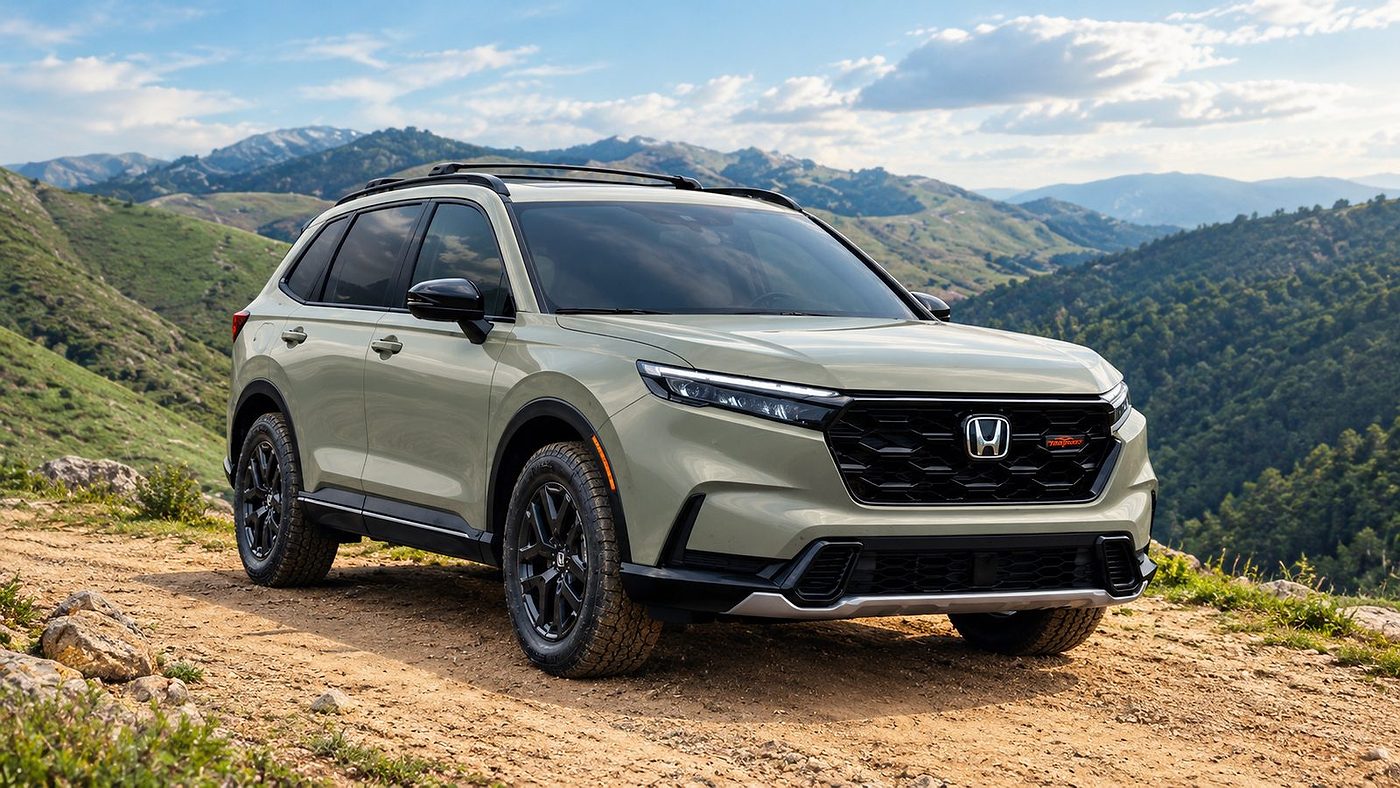
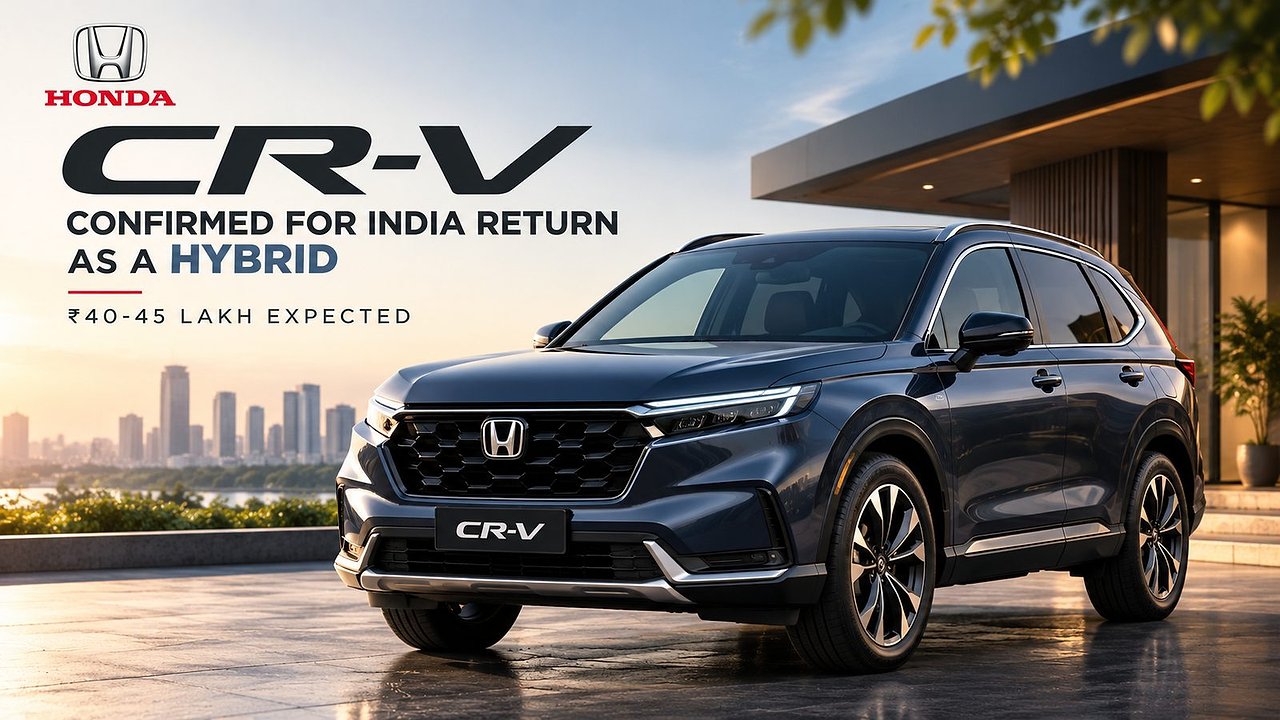
The Honda CR-V Hybrid is the quiet overachiever. It drives more like a smooth, refined crossover than a penny-pinching hybrid, with strong low-end pull from the electric motor. Expect around 37 to 40 MPG combined, with the best numbers in front-wheel-drive city trims. The cabin is roomy, well-built, and easy to live with every day. Honda's Sensing safety tech is standard. If stop-and-go commuting is most of your driving, the CR-V Hybrid's electric-heavy, around-town behavior shines, since that's exactly where hybrids save the most fuel.
Hybrid vs. plug-in hybrid vs. EV: which should you pick?
A regular hybrid (like the RAV4 Hybrid) never plugs in and saves gas automatically, the easiest choice for most people. A plug-in hybrid, like the RAV4 Plug-In, adds a bigger battery and can go roughly 40 miles on electricity alone before the gas engine kicks in, but you need a plug at home to get the benefit. A full EV skips gas entirely but needs charging and planning on long trips. If you can't charge at home, a standard hybrid is the no-brainer. If you have a garage outlet and a short commute, a plug-in can mean many days without burning any gas.
What to weigh before you buy
Hybrids usually cost about $1,500 to $3,000 more than the gas version of the same SUV. At today's gas prices, most buyers make that back in two to four years through fuel savings. Check whether all-wheel drive is standard or extra on the trim you want. Also look at warranty coverage on the hybrid battery, which is typically eight years or longer. Decide how many rows you actually need, since jumping from a RAV4 to a Grand Highlander is a big price and size step. And test drive two or three, because ride comfort and cabin feel vary a lot between brands.
FAQs
What is the best hybrid SUV for most buyers in 2026?
The 2026 Toyota RAV4 Hybrid is the best all-around pick. It blends roughly 39 MPG combined, standard all-wheel drive, strong reliability, and excellent resale value in a practical compact SUV.
Do hybrid SUVs need to be plugged in?
No. A regular hybrid like the RAV4, CR-V, or Tucson Hybrid charges its own battery while you drive and brake. You just fill it with gas like a normal car. Only plug-in hybrids and full EVs need a charger.
How much more does a hybrid SUV cost than a gas one?
Expect about $1,500 to $3,000 more for the hybrid version of the same model. Most drivers earn that back in two to four years through lower fuel bills, and the gap is smaller if you drive a lot of miles.
Which hybrid SUV is best for a large family?
The Toyota Grand Highlander Hybrid is the top three-row choice. It seats up to eight with a usable third row and still returns around 34 MPG combined, which is rare for a vehicle this big.