JSW MG Motor is putting ₹3,000 crore into India over the next two years. The money goes to a second factory in Halol, Gujarat, plus four new models this year. And here's the surprise: the company already runs at 65-70% of its current capacity, yet it's building for a future where most of its sales are electric or hybrid.
What is JSW MG Motor spending ₹3,000 crore on?
The ₹3,000 crore goes into three things: a new plant, fresh product launches, and other capital spending. It's spread over the next two years. Managing Director Anurag Mehrotra confirmed the plan. Right now the company funds itself through internal accruals (money from its own operations). But once construction starts on the second plant later this year, MG will raise outside money. Mehrotra said the company is still deciding which financial instrument (way of raising funds) to use.
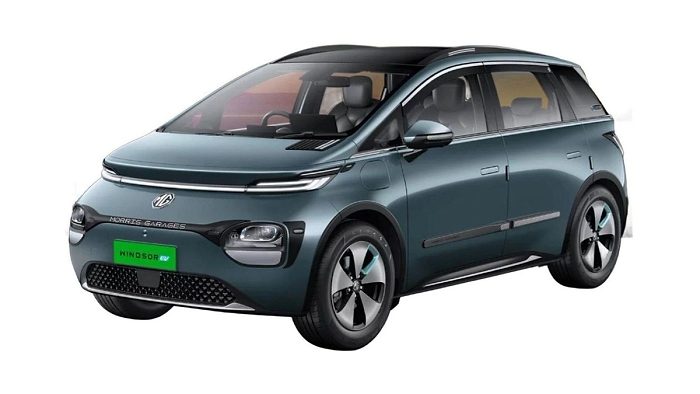
MG Windsor EV
MUV/MPVThe second Halol plant: 300,000 units and an 18-24 month wait
The new factory will sit right next to MG's existing Halol plant in Gujarat. Planned capacity is 300,000 vehicles a year. That's a big jump. The current plant handles only 110,000-120,000 units annually, and it's already running at 65-70% use. MG made 72,000 vehicles in CY2025. From the day construction begins to the day the plant starts making cars takes 18 to 24 months. So don't expect these extra cars on roads before 2027-28.
Four new MG models in 2025: two are mass-market
MG has lined up four new vehicles for launch in CY2025. Two of them are high-volume mass-market products, meaning cars aimed at the wider, price-sensitive buyer, not niche ones. MG hasn't named these models or shared prices yet, so treat segment guesses as unconfirmed. The company also confirmed hybrids are coming this year. NEV means new-energy vehicle, which covers both battery electric cars and hybrids (cars that mix a petrol engine with an electric motor).
Why chase 70-80% NEV sales when India is at 4%?
This is the bold part. India's EV share was just 4% of car sales in CY2025. Yet MG wants NEVs to make up 70-80% of its own sales at any point. Why the gap? MG already earns about 80% of its sales from electric models, so it's building on a base it knows. Mehrotra points to China as the clue. Five years ago, NEVs were under 5% of Chinese sales. Now they're above 60%. His bet: as more products land in India and running costs stay low, buyers will switch faster than expected.
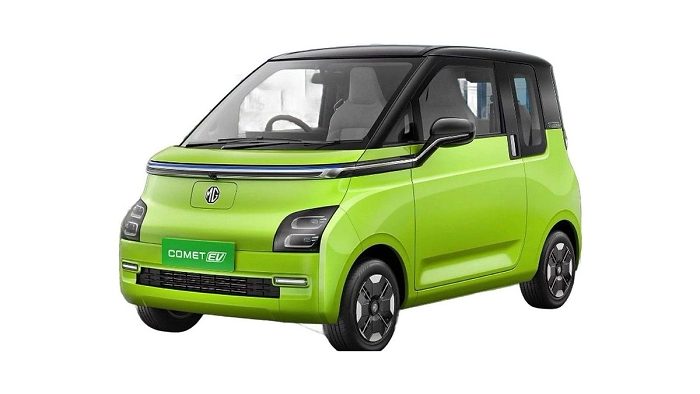
MG Comet EV
HatchbackHow MG outgrew the market in CY2025
The numbers back the confidence. The overall passenger vehicle industry grew about 6% last year. MG's wholesale (sales to dealers) rose 18%, and retail (actual sales to buyers) jumped 36%. That's six times the industry pace on retail. For context, India's EV volumes grew 77% to 176,817 units, up from 99,875 the year before, taking EV share from about 2.4% to 4%. MG expects the industry to grow in high-single or early double-digit percentages this year, with its own momentum continuing into 2026.
What this means for you: more choice, maybe lower prices
For buyers, the headline is choice. Four new models, two of them mass-market, means MG is moving beyond premium EVs into cars more people can afford. A bigger plant usually means better supply and, over time, room to price sharper. If MG's China bet plays out, faster EV adoption also brings more charging points and steadier resale values (what your car fetches when you sell). Still, none of the new models has a confirmed price or launch date yet. If you're eyeing an MG EV or hybrid, it makes sense to wait and see what the two mass-market cars bring before deciding.
References: MG India — official website