Mahindra just crossed a number no other Indian commercial vehicle maker has touched. Its last-mile division, Mahindra Last Mile Mobility (MLMML), has sold 4 lakh electric vehicles. These aren't family cars. They're the electric three-wheelers and small cargo vans that earn drivers and small shops their daily living.
What does 4 lakh EV sales actually mean?
This is the first for any commercial vehicle maker in India. No rival CV company has sold this many EVs. And Mahindra has been the country's No. 1 electric commercial vehicle maker for four financial years in a row. The bigger point is simple: these are working vehicles. Every unit is an auto-rickshaw driver, a delivery partner, or a small shopkeeper moving goods and people. That makes 4 lakh not just a sales figure but 4 lakh people using electricity to earn.
Which Mahindra EVs got there: Treo, UDO, Zor Grand, ZEO, e-Alfa
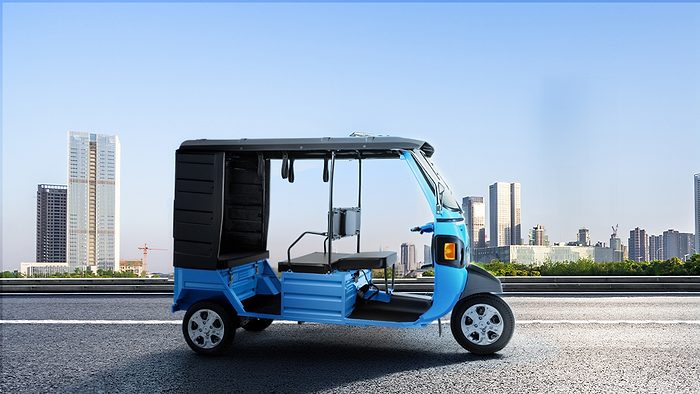
The 4 lakh count comes from five products, split across passenger and cargo work. The Treo range is Mahindra's electric auto-rickshaw family for carrying people. The e-Alfa is a lower-cost passenger three-wheeler that has huge reach in smaller towns. On the cargo side, the Zor Grand is a load carrier for small businesses, while the UDO and ZEO handle newer last-mile delivery needs. Mahindra hasn't given a model-by-model sales split, so we won't guess one. But together, this line-up covers both the passenger and goods sides of India's last-mile economy.
India's first commercial EV maker to cross this mark.
The headline claim here is the 'first.' Mahindra is the first commercial vehicle manufacturer in India to reach 4 lakh cumulative EV sales. That's a different game from passenger EV brands like Tata or the two-wheeler EV crowd. This is small commercial vehicles, where economics decide everything, not looks or features. Staying No. 1 for four straight financial years shows the lead isn't a one-off. It's built on a portfolio that keeps drivers coming back.
The business case: Why drivers and fleet owners pick electric
Mahindra's own line says it best: customers go electric when it saves them money, not to save the planet. A last-mile driver runs the same route every day, often within city limits. That's where an electric three-wheeler shines, because the running cost per km is far lower than petrol or CNG. Less spent on fuel means more take-home earnings at the end of the day. For a fleet owner running many vehicles, those daily savings add up fast. The cleaner-air benefit is real, but for the buyer it's a bonus, not the reason.
The green numbers, in plain terms
Across all 4 lakh vehicles, Mahindra says its EVs have driven more than 9 billion electric kilometers. That has helped avoid about 1.85 lakh tonnes of CO₂ (the gas linked to global warming). The company compares that to planting over 8.3 million trees. These are big numbers, but they follow from the daily work of the vehicles, not from any special effort by drivers. The earning came first. The clean air came along with it.
What's next: Mahindra's 1 million EV target by 2031
Mahindra isn't stopping at 4 lakh. The stated goal is 1 million (10 lakh) electric vehicles on Indian roads by 2031. Getting there means more than 2x growth in a few years. The company says it will invest in products, dealer and service support, and financing to make buying easier. Financing matters a lot here, because most last-mile buyers are small operators who need affordable loans. If Mahindra keeps the economics working for drivers, the 1 million figure looks reachable rather than a stretch.
References: Mahindra India — official website
Read next
- Mahindra BE 6 now ₹11.45 lakh with battery rental: does BaaS actually save you money?
- Mahindra Scorpio Lifestyler priced from ₹19.79 lakh, undercuts Hilux by ₹12+ lakh
- Mahindra Scorpio-N Pickup Spied Near Production, Global Debut on Aug 15
- Mahindra BE 6 Sporteq teased ahead of Independence Day launch event.