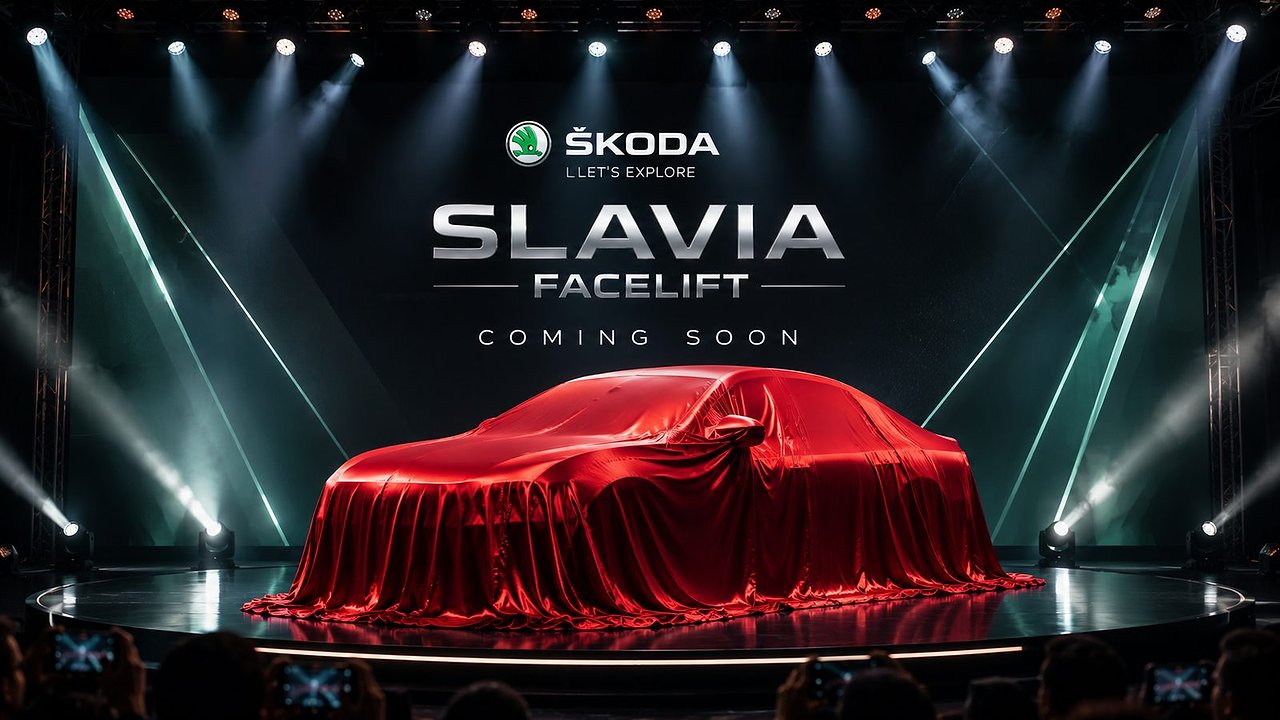
Skoda will launch the Slavia facelift in August 2026 with a refreshed face, new 8-speed torque-converter auto for the 1.0 TSI, and a 10.2-inch digital cluster, but no ADAS or panoramic sunroof, at ₹20–40,000 over today's ₹10.00–18.19 lakh (ex-showroom) ladder.
Key facts
- Launch: August 2026; price expected ₹20–40k above current ₹10.00–18.19 lakh
- New: larger grille, dotted LED DRLs, 8-speed AT for 1.0 TSI, 10.2-inch digital cluster
- Engines unchanged: 1.0 TSI 114 bhp / 178 Nm (20.32 kmpl MT); 1.5 TSI 148 bhp / 250 Nm (19.36 kmpl DSG)
- NOT coming: Level 2 ADAS, panoramic sunroof (deferred to next-gen)
- Rivals: Hyundai Verna ₹10.99–18.41L (with ADAS + pano-roof), Honda City ₹12.04–21.04L
If you've been holding out on the Skoda Slavia, your patience pays off this August. The Czech sedan, unchanged since November 2021, finally gets its mid-life refresh, and Skoda's bringing a sharper Kushaq-inspired face, a proper 8-speed automatic for the 1.0 TSI, and a bigger digital instrument cluster. But here's the rub: the facelift won't offer Level 2 ADAS or a panoramic sunroof, two features the Hyundai Verna already has at nearly the same price. Spy shots confirm Skoda is saving those for the next generation. Expect prices to climb ₹20,000–40,000 over the current ₹10.00–18.19 lakh (ex-showroom) range, with the five-variant lineup, Classic, Signature, Sportline, Prestige, Monte Carlo, carrying over intact.
What's New and When?
Skoda hasn't announced an official date yet, but the Slavia facelift is locked for August 2026. The update is evolutionary: no wheelbase stretch, no new engine, no panoramic glass. Instead, you're getting a fresher face (detailed below), cabin tweaks, and a transmission upgrade that should've come earlier. The current Slavia starts at ₹10.00 lakh for the Classic 1.0 MT and peaks at ₹18.19 lakh for the Monte Carlo 1.5 DSG; the facelift will slot ₹20,000–40,000 higher across the board.
Exterior: Kushaq DNA, Minimal Side Changes
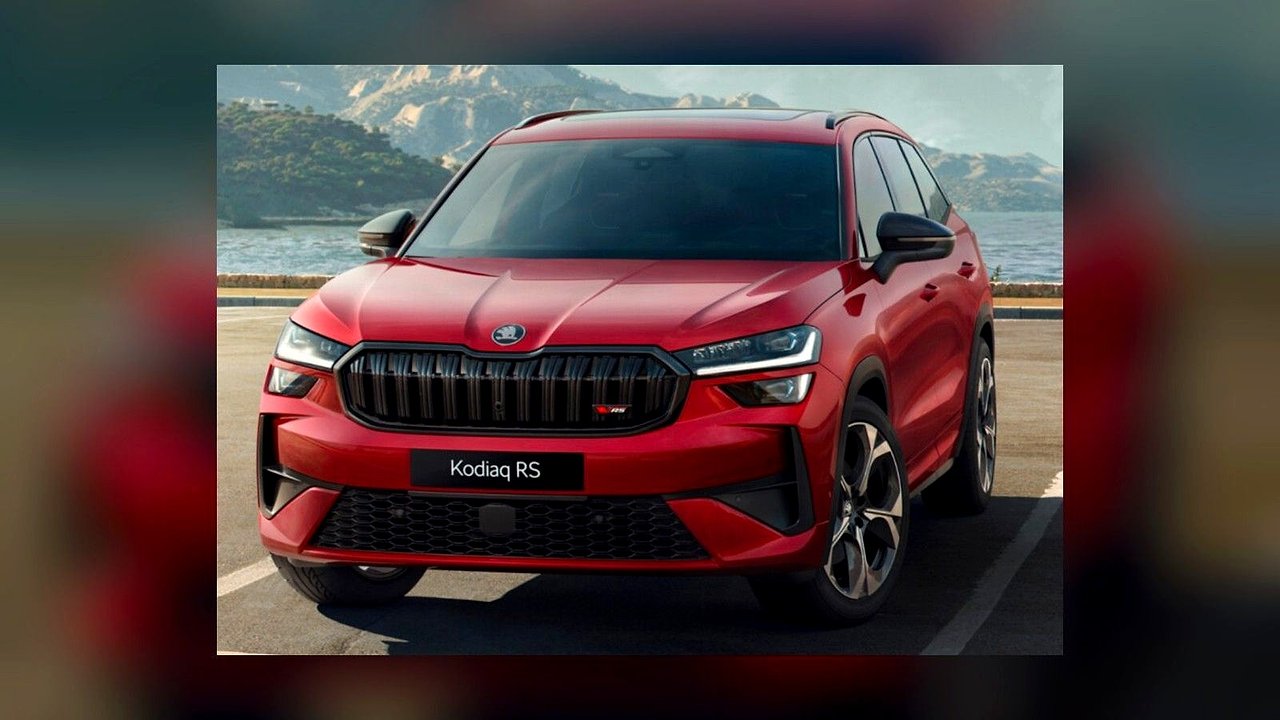
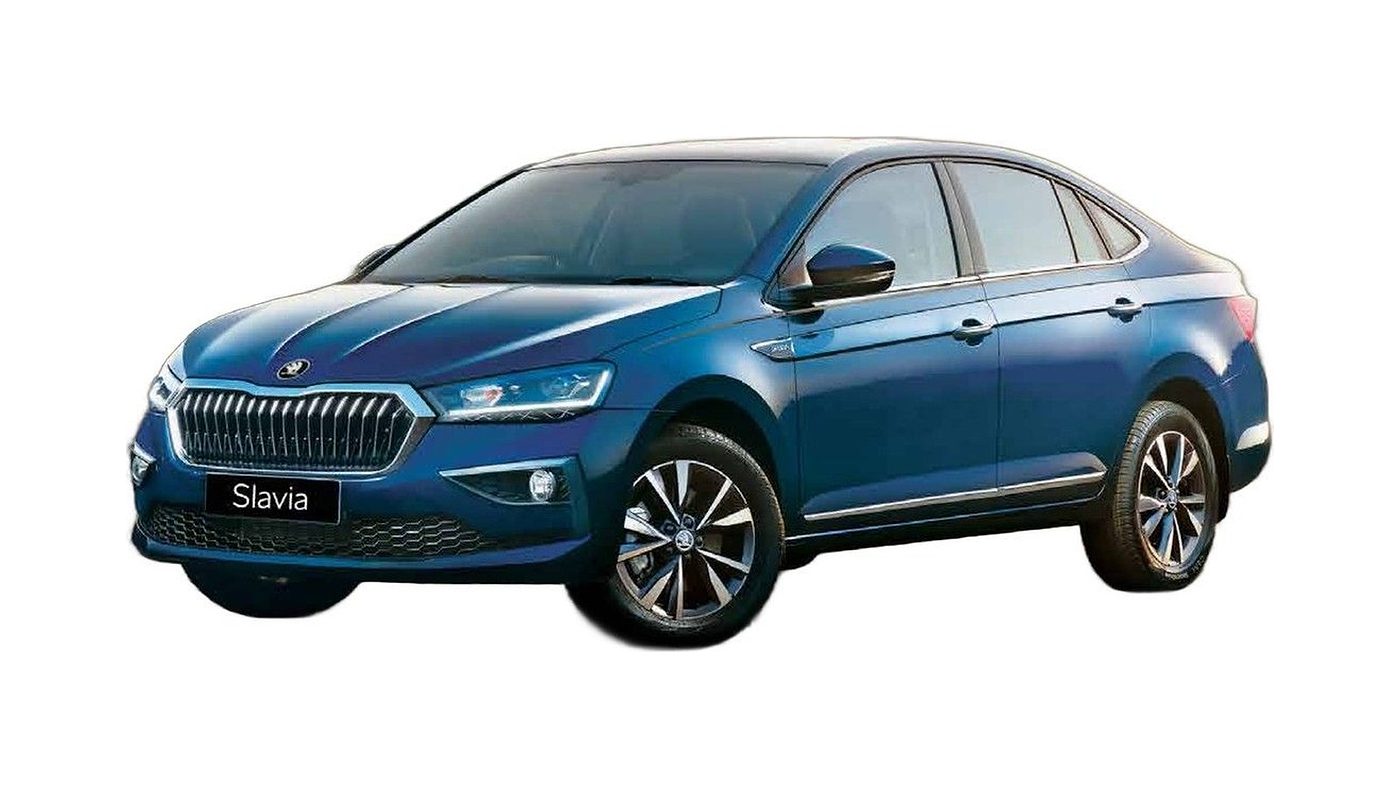
The front is where you'll notice the work. Skoda fits a new, larger grille with chunkier horizontal slats, sleeker LED headlamp housings, and a dotted-LED DRL signature that mirrors the Kushaq facelift. The lower air dam goes hexagonal. New 17-inch diamond-cut alloy wheels are the only side-profile update; the roofline, door sculpting, and that class-leading 521-litre boot stay put. Around back, expect revised LED tail-lamps, illuminated Skoda lettering (again, borrowed from the Kushaq), and a redesigned bumper. No new body colours have been confirmed.
Interior & Features: Bigger Dials, No Pano-Roof or ADAS
The cabin gets a 10.2-inch fully digital instrument cluster, up from the current part-analog 20.32 cm unit, plus new upholstery and massaging rear seats. The existing 25.4 cm touchscreen with wireless Apple CarPlay and Android Auto, ventilated leatherette front seats, electric sunroof, and that 380 W Skoda Sound System with subwoofer all carry over. Critically, spy shots rule out a panoramic sunroof and Level 2 ADAS (adaptive cruise, lane-keep), two headline features the Hyundai Verna already offers. Skoda is deferring both to the next-generation Slavia, meaning the facelift lags the Verna on active safety and that Instagram-friendly glass roof.
Powertrain: Same Engines, Better 1.0 Auto
Engines are unchanged. The 1.0-litre three-cylinder TSI makes 114 bhp and 178 Nm (ARAI 20.32 kmpl with the six-speed manual); the 1.5-litre four-cylinder TSI with Active Cylinder Technology makes 148 bhp and 250 Nm (19.36 kmpl with the seven-speed DSG). The big news: the 1.0 TSI swaps its old six-speed torque-converter for a new eight-speed unit, promising smoother shifts and better refinement. The 1.5 TSI, meanwhile, is now DSG-only, Skoda has killed the six-speed manual for the bigger motor. Real-world mileage on the 1.0 MT hovers around 16–17 kmpl in mixed city-highway driving; the DSG variants typically return 1–2 kmpl less than ARAI claims.
Rivals and the Feature Gap
The Slavia's core rivals are the Hyundai Verna (₹10.99–18.41 lakh) and Honda City (₹12.04–21.04 lakh). The Verna is the sharper thorn: at near-identical money, it offers Level 2 ADAS (adaptive cruise, lane-keep, blind-spot monitor) and a panoramic sunroof, two things the Slavia facelift explicitly won't have. The City counters with a hybrid option and a slightly posher interior, but it's pricier at the top. The Slavia still holds the boot crown (521 litres expandable to 1,050 litres vs the Verna's 528 litres) and its 5-star Global NCAP rating (adult and child) with six airbags standard is a strong safety card. But on paper tech, the Verna pulls ahead.
Verdict: Freshened, Not Transformed, Worth Waiting For New Buyers
The Slavia facelift addresses staleness, the sedan has been untouched since launch, with a sharper face, a better automatic, and cabin updates. But Skoda played it safe: no ADAS, no panoramic roof, no diesel, no hybrid. If you're shopping today and ADAS is a priority, the Verna wins. If you value the Slavia's 5-star NCAP body, Czech build quality, and that torquey TSI character, the facelift is worth the August wait, especially if you want the new 8-speed auto. For current 2022–24 Slavia owners, though, this isn't compelling enough to trade up. Ideal buyer: a first-time sedan buyer who prizes safety and boot space over active-safety tech, and who doesn't mind waiting three months for a fresher design.
References: Skoda India — official website