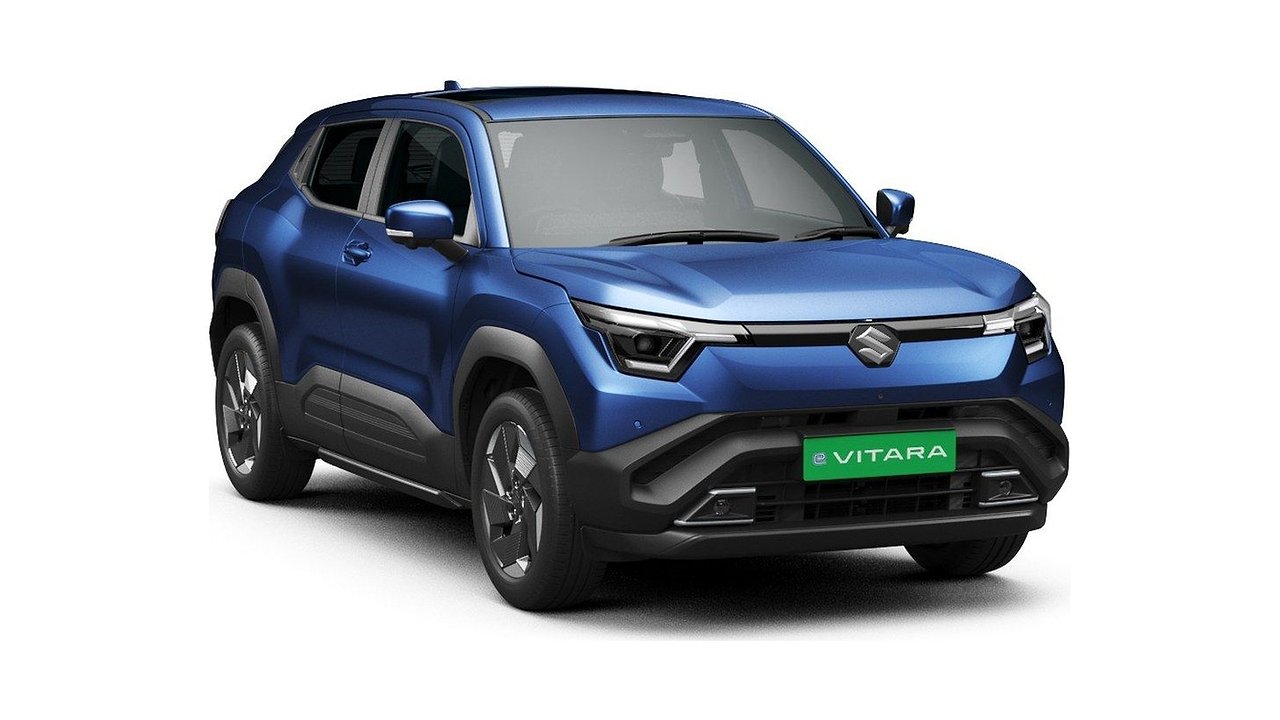
Maruti's e Vitara sees a ₹30,000 hike on select variants effective June 2026, pushing the Alpha to ₹17.46 lakh ex-showroom while the Delta stays unchanged at ₹13.49 lakh.
Key facts
- Hike: up to ₹30,000 on select variants
- New range: ₹13.49–17.46 lakh ex-showroom
- Delta (142 bhp): ₹13.49L, no change
- Zeta (172 bhp): ₹14.74–15.04L
- Alpha (172 bhp): ₹17.04–17.46L
- Part of wider June revision (Invicto +₹25k)
Maruti Suzuki has raised prices on its e Vitara electric SUV by up to ₹30,000, barely weeks after the model hit showrooms. The hike targets the mid and top trims, Zeta and Alpha, while leaving the entry Delta untouched, a tactical move to keep the ₹13.49-lakh starting price competitive. The top Alpha AWD now commands ₹17.46 lakh ex-showroom, ₹2,000 above its pre-hike ceiling and nudging uncomfortably close to the psychological ₹18-lakh mark. The revision is part of a June pricing sweep across Maruti's lineup, including a ₹25,000 bump on the Invicto, signaling the automaker is passing on input-cost pressure across segments.
The Numbers: Who Pays What
Here's the variant-wise breakdown. The **Delta** (142 bhp, smaller battery) holds at **₹13.49 lakh**, unchanged and still the only sub-₹14-lakh option in the range. The **Zeta** (172 bhp, 61 kWh pack) now spans **₹14.74–15.04 lakh**, up from an implied ₹14.44–14.74 lakh. The **Alpha** (172 bhp, AWD option on top config) climbs to **₹17.04–17.46 lakh**, meaning the flagship variant absorbs the full ₹30,000 hit. That puts the e Vitara's new spread at ₹13.49–17.46 lakh ex-showroom, before on-road costs (road tax, registration, and insurance vary by state). In percentage terms, the Alpha sees a ~1.7% rise; the Delta escapes entirely.
What You're Paying For
No new features or hardware justify the hike, it's a pure cost pass-through. The e Vitara pairs a 142-bhp motor with a smaller battery on the Delta, while Zeta and Alpha pack 172 bhp and a 61-kWh battery claiming 543 km on the ARAI cycle (expect ~380 km real-world, city-skewed). Charging: DC fast 10–80% in roughly 40 minutes, AC wallbox overnight. Running cost sits around ₹1–1.5/km at home (5–7× cheaper than petrol's ₹6–9/km), though upfront payback takes 4–5 years at typical urban use. Battery warranty likely mirrors industry norms (8 years / 1.6 lakh km), and remember, no central cash subsidy on electric **cars** in India, only state-level road-tax and registration waivers (check your RTO). Ex-showroom pricing excludes charger installation.
The Bigger Picture: Early-Adopter Tax
This is Maruti's first EV, launched into a segment where the **Tata Curvv** (₹9.7–19.1 lakh, spanning ICE and EV) still undercuts it by ₹4 lakh at entry, despite topping out ₹1.64 lakh higher. The **MG Astor** (₹9.79–15.5 lakh, ICE) and **Citroën Aircross X** (₹8.89–14.57 lakh, hybrid) offer more breathing room for budget buyers. Hiking prices weeks after launch, before most walk-ins have test-driven the car or seen real-world range reports, amounts to an early-adopter penalty. It also follows the Invicto's ₹25,000 June bump, suggesting Maruti is calibrating margins across Nexa before the monsoon lull.
Should You Buy Now or Wait?
If the **Delta** suits your needs (city-primary use, 142 bhp adequate), jump in, the ₹13.49-lakh tag is intact and genuinely sharp for a Maruti EV. For the **Alpha**, ₹30,000 adds roughly ₹500–600 to your monthly EMI over five years, not trivial but manageable. The catch: you're betting on Maruti's claimed range before independent reviewers publish real-world numbers (historically ~70% of ARAI) and before dealers clear early stock or offer year-end exchange sweeteners. If you can wait three months, you'll have clarity on both range and potential discounts. If you can't, the Zeta at ₹15.04 lakh (172 bhp, same battery as Alpha, minus AWD) looks like the value midpoint, enough punch for highway runs, less sticker shock than the flagship.
References: Maruti Suzuki India — official website