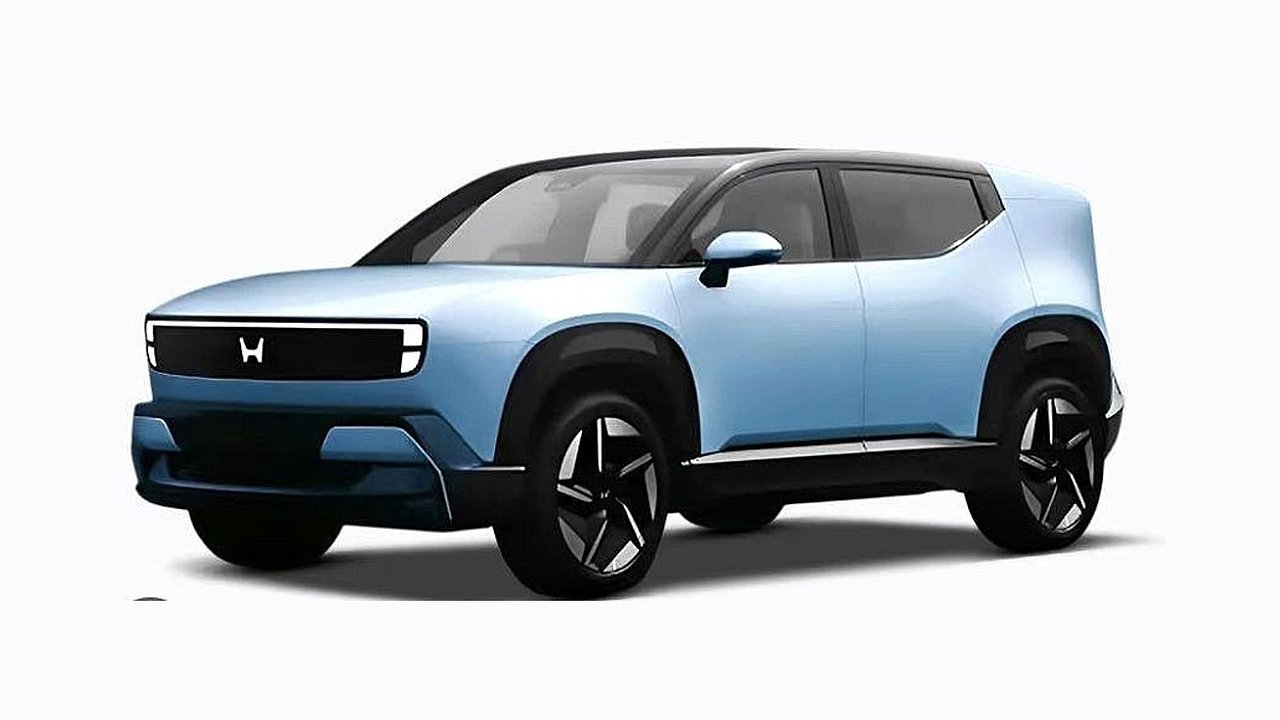
Honda is finally serious about electric mobility in India. The 0 Alpha EV – the production version of the concept first shown at the Japan Mobility Show 2025 – has been spotted testing in Manali, confirming an early 2027 launch timeline. This will be Honda's first proper electric SUV for India, and unlike the company's current tepid EV plans, the 0 Alpha is a full ground-up effort. Built locally at Honda's Tapukara facility in Rajasthan, it represents a completely new design language for the brand in India and will directly challenge established electric midsize SUVs like the Mahindra BE 6, Hyundai Creta Electric, and Maruti e Vitara. The best part? Honda isn't treating India as an afterthought – this facility will also export the 0 Alpha to global markets, including Japan.
What Makes the 0 Alpha Different
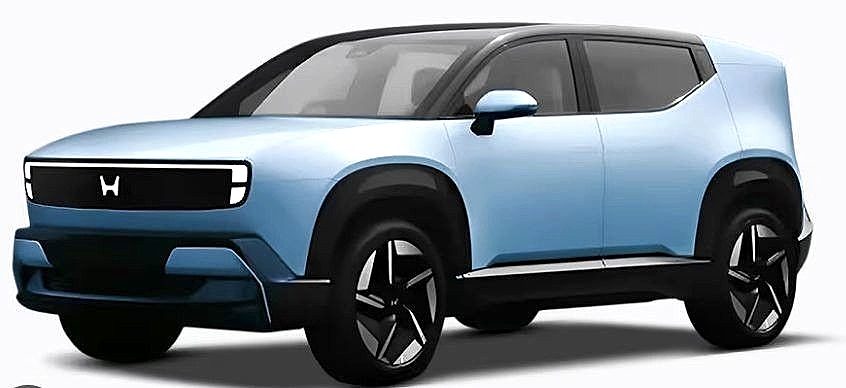
The 0 Alpha is a clean break from every Honda currently sold in India. Forget the familiar City and Elevate styling – this follows Honda's 'Thin, Light and Wise' design philosophy with boxy proportions, an upright stance, and a radically different face. The front features a rectangular grille section housing slim headlights, chunky bumpers, and squared-off wheel-arch cladding. The rear is even more distinctive: a near-vertical tailgate with high-set vertical tail-lamps in a U-shape configuration and a rectangular rear windscreen. It's aggressively modern, and whether you love it or find it polarising, it will stand out in traffic. Spy shots reveal the production car sticks closely to the concept's flashy design, which is refreshing given how often 'concepts' get watered down.
Interior Spy Shots Reveal Huge Screen and Physical Controls
Fresh spy images give us our first unofficial look inside the 0 Alpha cabin, and it's a mixed bag – in a good way. Dominating the dashboard is an enormous freestanding touchscreen infotainment system mounted high, clearly the focal point. To its right sits a much smaller floating digital driver's display. The steering wheel is a three-spoke flat-bottomed unit with paddle shifters for regenerative braking adjustment. Here's what Honda gets right: despite that massive screen, the centre console is loaded with physical buttons and controls, seemingly for climate control and ventilated seats. No hunting through menus for basic functions. The dashboard itself has a quirky scooped design, though this is still a prototype and production details may change. Overall, it strikes a better balance between tech-forward and usability than many current EVs.
Platform, Battery, and Expected Range
The 0 Alpha rides on a new skateboard platform developed specifically for Honda's 0 Series EVs. The wheelbase is expected to fall between 2700mm and 2800mm, promising generous cabin space for a midsize SUV. Power comes from a front-axle-mounted electric motor, and Honda is expected to offer two LFP (Lithium Iron Phosphate) battery pack options, likely in the 65kWh to 75kWh range. The batteries will be sourced from CATL's Indonesia operations. Real-world range should exceed 450km on a single charge with the larger pack, which puts it in the ballpark of current midsize electric SUVs but not class-leading. Honda hasn't confirmed power outputs yet, but expect somewhere between 170bhp and 200bhp based on segment norms. The paddle shifters suggest multiple regeneration modes, which is essential for maximising range in city driving.
Expected Features and Equipment
Beyond what the spy shots reveal, the 0 Alpha should come loaded with modern convenience and safety tech. Expect auto climate control, ventilated front seats, connected car technology with remote functions, powered and adjustable front seats, multiple airbags (likely six as standard), flush-fitting door handles for aerodynamic efficiency, and a Level 2 ADAS suite with adaptive cruise control, lane-keeping assist, and autonomous emergency braking. Honda will need all this to compete – the Creta Electric, BE 6, and e Vitara all offer comprehensive feature lists, and Honda can't afford to lag behind. The combination of that huge central screen and physical controls suggests Honda is targeting buyers who want tech but don't want to sacrifice ease of use.
Local Manufacturing and Export Plans
Honda is manufacturing the 0 Alpha at its Tapukara plant in Rajasthan, which is a strategic win for Indian buyers. Local production should help keep pricing competitive and improve parts availability and service support. More interestingly, Honda plans to export the India-made 0 Alpha to select global markets, including Japan itself. That's a vote of confidence in Indian manufacturing quality and a sign Honda sees India as a key EV production hub, not just a market to dump older tech. The timeline points to a likely unveiling at the Bharat Mobility Global Expo 2027, followed by launch in the first quarter of 2027.
Rivals and Expected Positioning
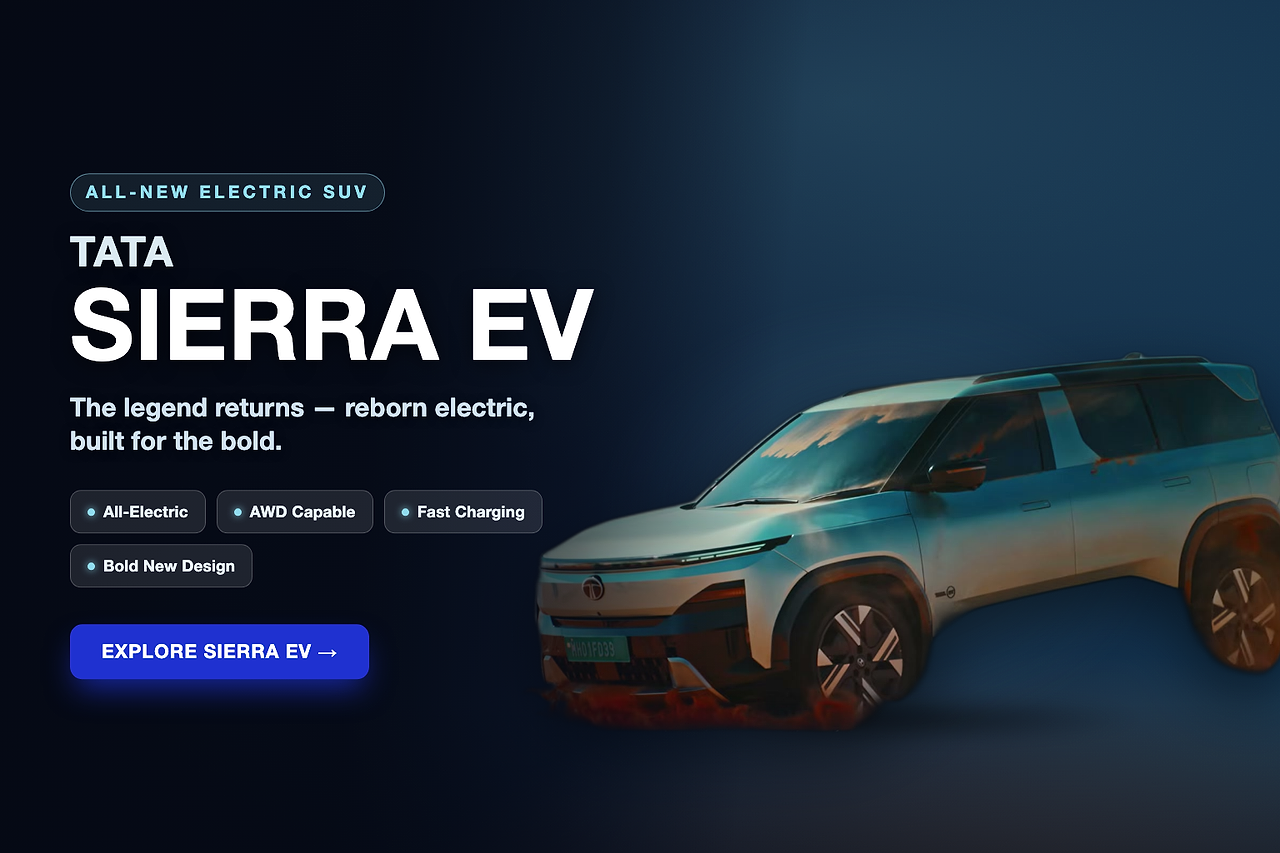
The 0 Alpha will enter a rapidly crowding midsize electric SUV segment. Direct rivals include the Mahindra BE 6 (starting around ₹18.90 lakh), MG ZS EV (₹18.98 lakh onwards), Hyundai Creta Electric (₹17.99 lakh onwards), Maruti Suzuki e Vitara (expected around ₹17-18 lakh), its twin the Toyota Urban Cruiser Ebella, and the upcoming Tata Sierra EV. Honda's challenge is clear: it's arriving late to a party that's already in full swing. Pricing will be critical – expect Honda to position the 0 Alpha somewhere in the ₹18-22 lakh range to stay competitive, though nothing is confirmed yet. The brand's reputation for reliability and driving refinement could be a differentiator if the product delivers.
Should You Buy It Now, or Wait?
You can't buy it now – it's still 8-9 months away from launch. But should you wait for it if you're considering an electric SUV? That depends. If you're a Honda loyalist or want something that looks genuinely different from the current crop of electric SUVs, the 0 Alpha is worth waiting for. The combination of radical design, local manufacturing, and Honda's engineering credibility makes it interesting. However, if you need an EV soon, waiting nearly a year doesn't make sense – the Creta Electric, BE 6, and e Vitara are available now with known pricing, proven service networks, and real-world user feedback. Early 2027 launch also means you'll be an early adopter dealing with first-batch issues and potentially long delivery times. If you can wait and aren't in a rush, see it in metal at the Bharat Mobility Expo 2027 and make your call. Just know that by early 2027, the segment will be even more competitive, and there's no guarantee Honda's first electric effort will nail everything out of the gate.