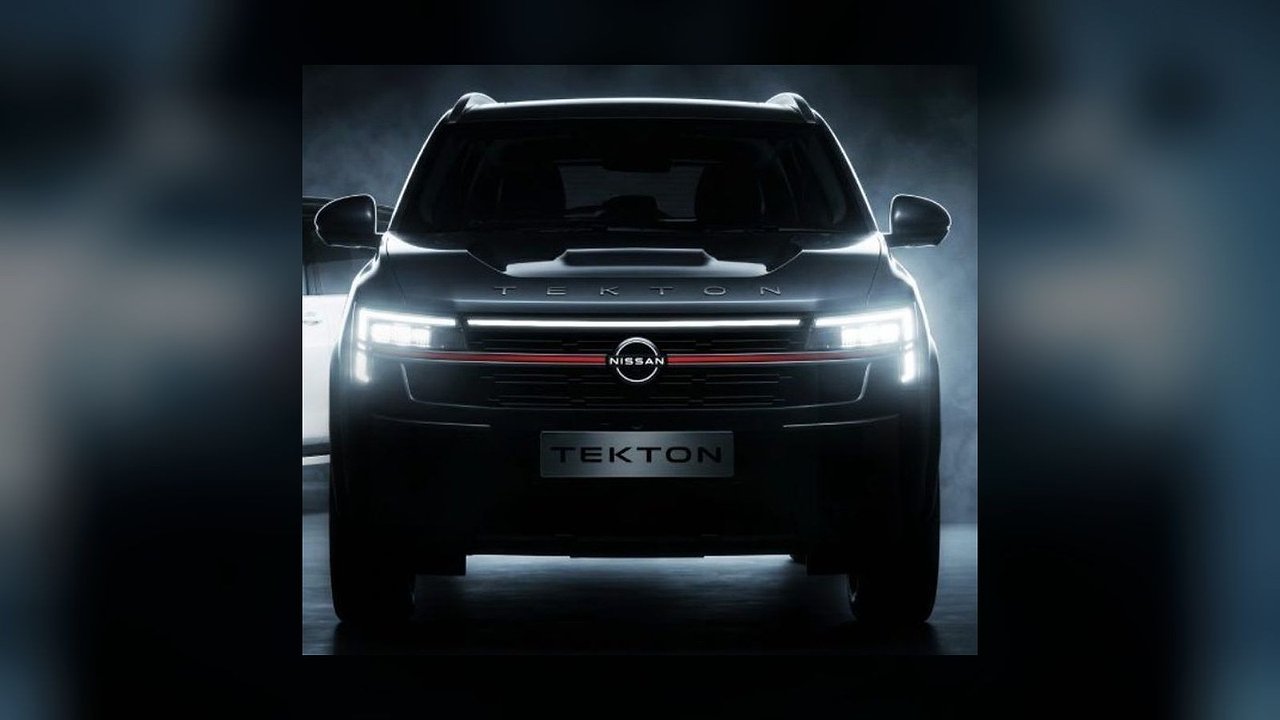
After years of leaning almost entirely on the Magnite to carry its India volumes, Nissan is finally preparing a second act. The Tekton, a midsize SUV debuting on 9 July 2026, will take on the Hyundai Creta, Kia Seltos, Maruti Grand Vitara, and Toyota Hyryder. More critically, it will square off against the Renault Duster — the SUV it shares its bones with. Nissan is calling the Tekton a 'Baby Patrol', borrowing styling cues and positioning from its globally respected full-size SUV. It's a bold move in India's highest-volume SUV segment, and the stakes couldn't be higher. The Magnite bought Nissan time, but the Tekton needs to deliver something the brand hasn't had in years: credibility in the midsize arena.
What the Tekton brings to the table
The Tekton will share its platform, localised manufacturing, and powertrains with the Renault Duster — a proven formula that keeps development costs down and pricing competitive. At launch, expect a 1.0-litre turbo-petrol and a 1.3-litre turbo-petrol engine, both already doing duty in the Duster. Later in the year, Nissan is expected to introduce a 1.8-litre naturally aspirated petrol hybrid paired with a 1.4 kWh battery pack — the same strong-hybrid system Renault has already generated considerable demand for. The hybrid can reportedly run in EV mode up to 80 percent of the time in city driving, making it a compelling proposition against turbo-petrol rivals in terms of running costs.
The Tekton will be manufactured at Nissan's Chennai facility, with exports planned for other markets. Unlike Renault, which revived the Duster nameplate, Nissan is positioning the Tekton as a 'Baby Patrol' — a smaller sibling to the globally recognised Nissan Patrol, popular in the Middle East, Australia, and parts of Africa. The strategy lends the Tekton aspirational value and a stronger identity than simply being 'another Duster'. For buyers who appreciate the Duster's engineering but prefer a Nissan badge and distinct styling, the Tekton could be the answer. Inside, expect a near-identical cabin to the Duster: a dark-themed interior with a driver-centric touchscreen infotainment system, fully digital instruments, panoramic sunroof, ventilated front seats, leatherette upholstery with contrast stitching, Level 2 ADAS, a 360-degree camera, rear AC vents, and rear-seat privacy curtains. Nissan will also expand the Tekton family with a 7-seater variant later, likely using the 1.3-litre turbo-petrol engine and the hybrid powertrain — skipping the smaller 1.0-litre mill.
Why it could work — and why it might not
On paper, the Tekton has real advantages. Shared development costs with the Duster mean Nissan can price competitively while still investing in differentiation through design, features, and positioning. The Duster has already demonstrated there's appetite for a well-engineered midsize SUV — it contributed over 2,300 units in April 2026 alone and became Renault's best-seller, helping the brand more than double its sales. Not every showroom visitor wants a Renault badge, and the Tekton could attract buyers who appreciate the Duster's underpinnings but prefer Nissan's styling and brand image. The 'Baby Patrol' positioning is clever — it gives the SUV an aspirational hook that the Duster doesn't have.
But the alliance sword cuts both ways. The Duster will already be established by the time the Tekton arrives, and buyers will inevitably compare the two. Unless Nissan creates meaningful differentiation in design, features, and ownership experience, the Tekton risks being seen as simply another version of the Duster. Pricing will be a tightrope walk: the Duster currently starts at ₹10.49 lakh (ex-showroom). Price the Tekton too close, and buyers may gravitate towards the more familiar Duster nameplate. Price it too aggressively, and they may stretch for better-established rivals from Hyundai, Kia, or Maruti. Nissan's dealer network and market visibility remain significantly smaller than those of Hyundai, Kia, Tata Motors, and Maruti Suzuki — convincing buyers to choose the Tekton over established alternatives will require sustained marketing and a strong retail push.
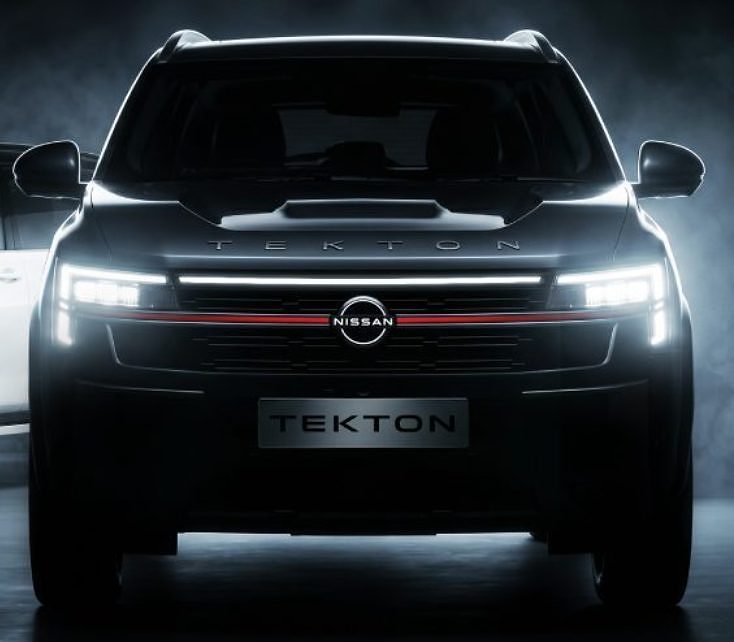
Today's midsize SUV buyer expects panoramic sunroofs, ADAS, connected tech, ventilated seats, premium interiors, and large screens. Nissan cannot cut features the Duster already offers and expect to succeed. The brand also carries the baggage of a cautious buyer base still unsure about its long-term commitment to India. The Tekton will need more than a strong launch — consistent product updates, network expansion, and visible investment will be equally important.
How it stacks up against rivals
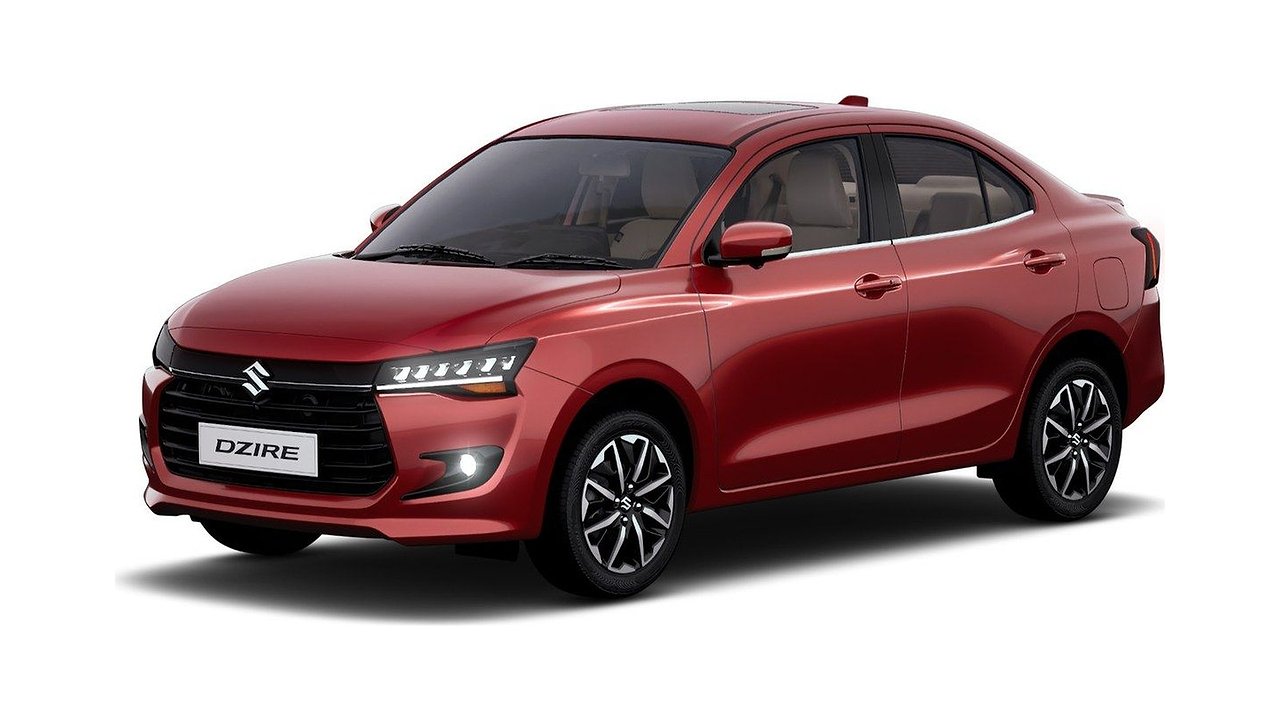
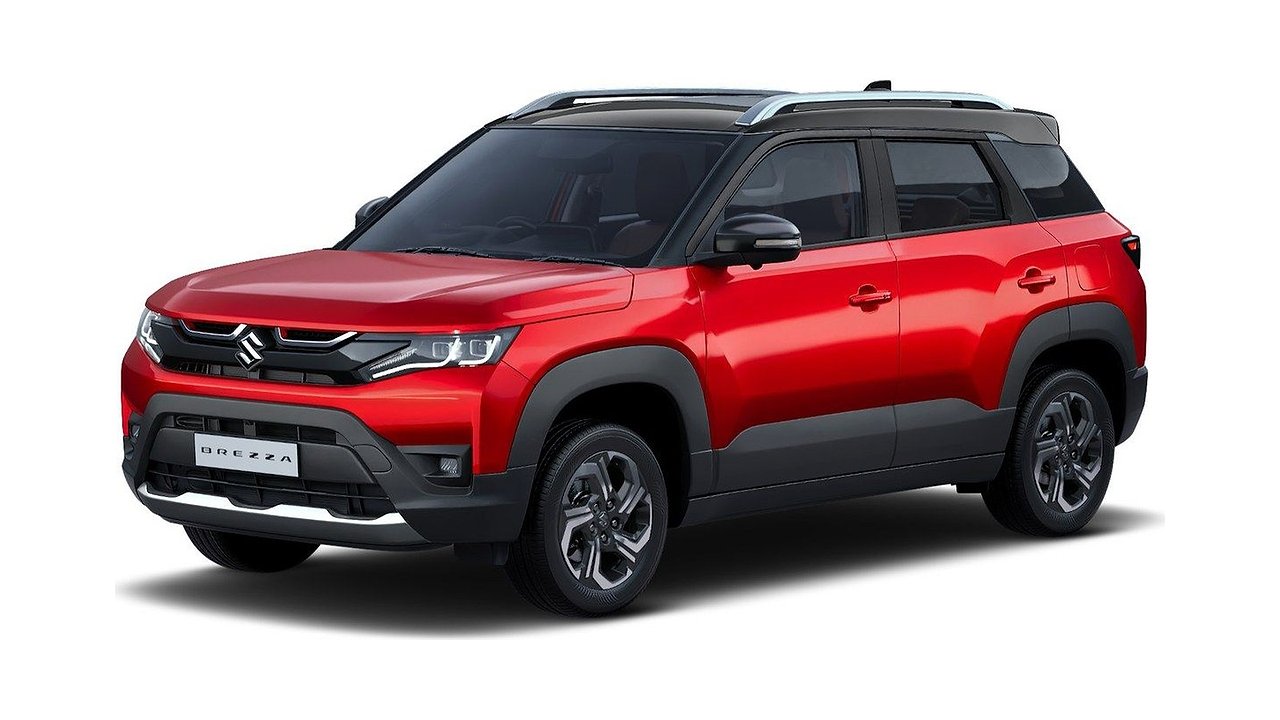
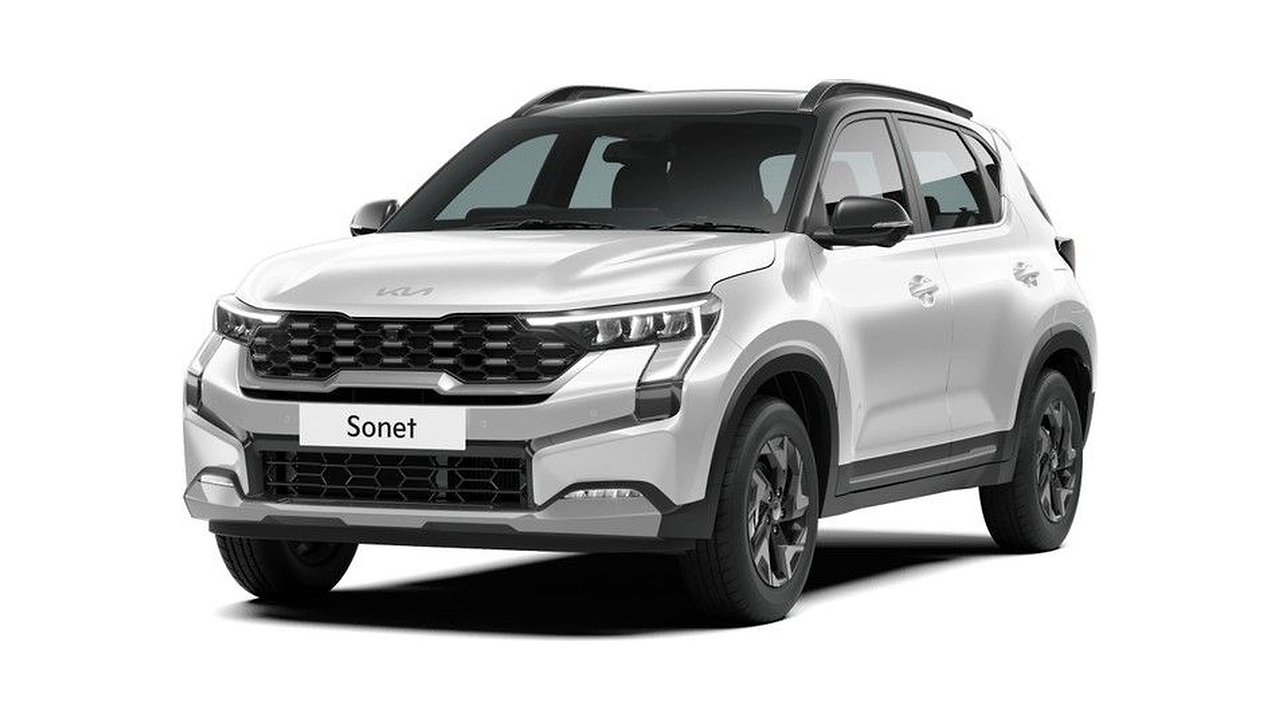
The midsize SUV segment is brutal. The Hyundai Creta and Kia Seltos dominate with comprehensive feature lists, strong brand networks, and buyer trust. The Maruti Grand Vitara and Toyota Hyryder offer proven mild-hybrid and strong-hybrid powertrains with competitive pricing. The Renault Duster — the Tekton's own alliance sibling — has already re-established itself with over 2,300 units sold in April 2026. The Skoda Kushaq and Volkswagen Taigun cater to buyers seeking a European feel and solid build quality.
The Tekton's advantages are niche but real: the 'Baby Patrol' positioning offers aspirational appeal the Duster lacks, and the hybrid variant — when it arrives — could give it an edge over turbo-petrol rivals if priced right. The shared platform keeps costs down, which should help Nissan price competitively. But the Tekton faces an uphill battle in brand perception, dealer reach, and buyer confidence. Nissan sold close to 3,000 units in May 2026 — a number that includes the recently launched Gravite MPV and the Magnite. The Creta alone sells multiples of that every month.
Should you buy it now, or wait?
The Tekton debuts on 9 July 2026, but initial variants will be petrol-only. If you're considering the Tekton, it makes sense to wait for the hybrid version launching later this year. The hybrid's ability to run in EV mode up to 80 percent of the time in the city could make a real difference in fuel costs and urban driveability — and it's the variant that could genuinely differentiate the Tekton from turbo-petrol rivals.
If you're buying in the next month or two, the Duster is already on sale and likely to be more widely available through Renault's established network. The Tekton's real test will be pricing — if Nissan can position it at a sweet spot that doesn't cannibalise the Duster but undercuts mainstream rivals, it could carve a niche. Wait for launch pricing, initial reviews, and clarity on the hybrid variant's timeline and cost before making a decision. The 7-seater Tekton is expected later, so if you need third-row seating, patience will pay off.