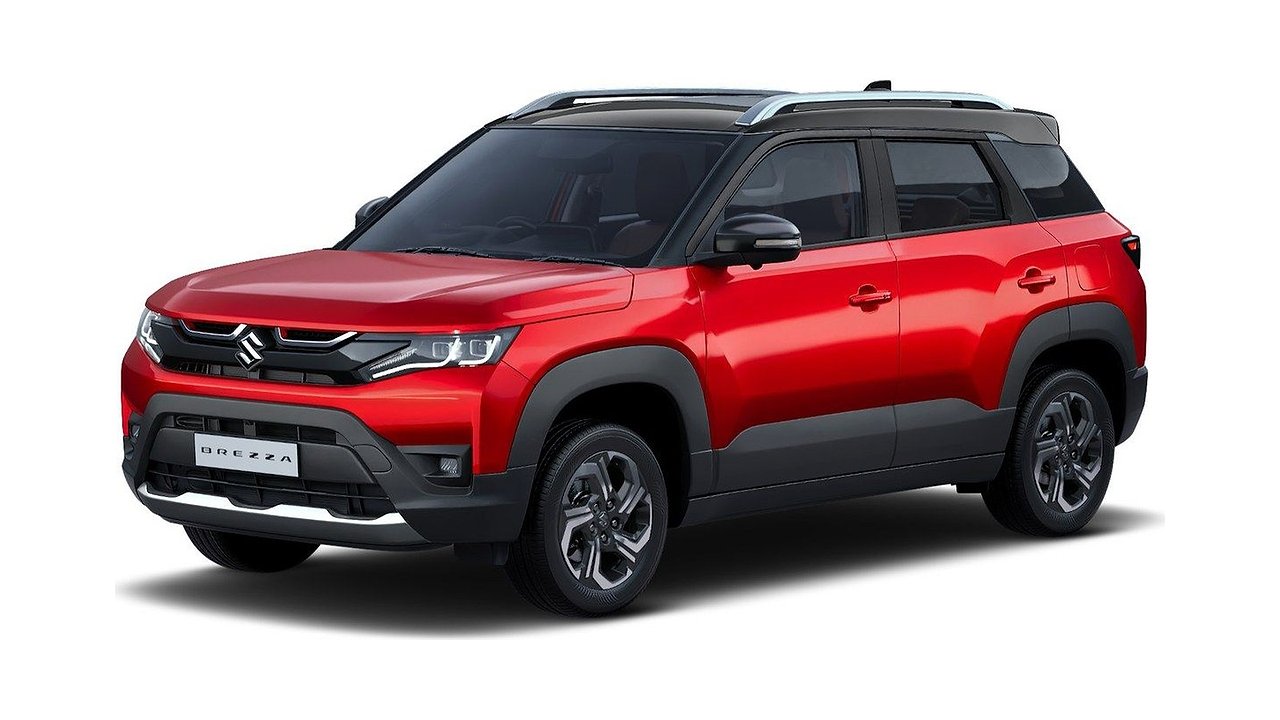
Maruti Suzuki is set to launch the comprehensively updated Brezza in July 2026, and this facelift goes beyond a styling tweak. For the first time, the Brezza will offer a turbocharged petrol engine alongside the familiar 1.5L naturally aspirated unit, while CNG buyers get a smarter underbody tank that reclaims boot space. Add a 10.1-inch touchscreen, a digital instrument cluster, and the possibility of ADAS, and you have Maruti's strongest effort yet to keep India's best-selling compact SUV ahead of the Venue, Nexon, and Sonet. Dealer stocks of the outgoing model are running dry—a clear sign the new one is imminent.
What's new: Turbo petrol joins the line-up
The headline change is the new 1.0-litre, three-cylinder Boosterjet turbocharged petrol engine producing 100 PS and 147.6 Nm, paired with a six-speed manual gearbox. This is the same turbo unit already doing duty in the Fronx, now migrating to the Brezza to offer a punchier, more engaging drive for buyers who want stronger performance without stepping up to a bigger SUV. The existing 1.5-litre four-cylinder naturally aspirated petrol—103 bhp, 137 Nm—will continue, currently available with a five-speed manual and six-speed torque-converter automatic. All sources agree the turbo option is confirmed, though it's unclear yet whether the automatic will be offered with it at launch or reserved for the 1.5L. Crucially, the sub-1.2-litre turbo engine qualifies for lower GST under India's small-car tax norms (because the Brezza is under four metres), which could allow Maruti to price turbo variants very competitively—a regulatory sweet spot that rivals with 1.2L and 1.5L turbo engines cannot exploit.
CNG gets practical: Underbody tank frees the boot
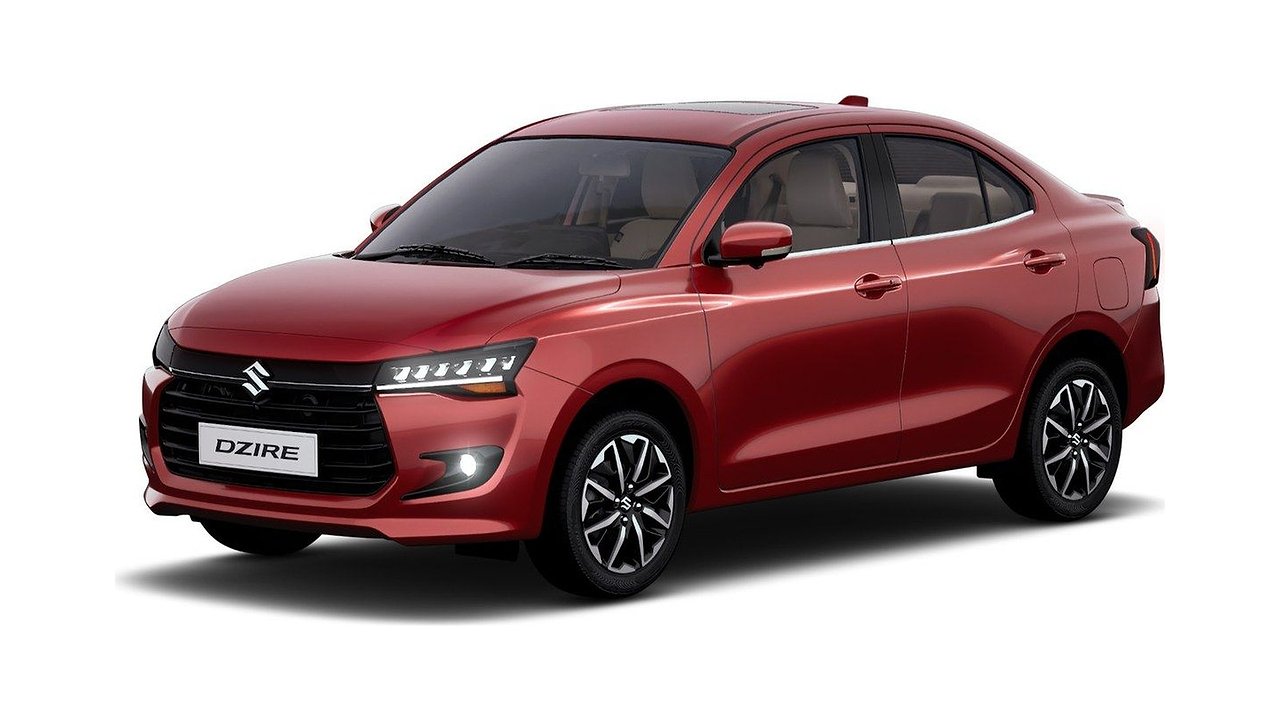
Maruti is addressing one of the biggest gripes with factory CNG: the boot-mounted cylinder that eats luggage space. The Brezza facelift will feature an underbody CNG tank—following the same strategy as the Dzire and other recent Maruti CNG models—freeing up considerable boot volume. This means CNG buyers no longer have to choose between running costs and weekend luggage; you can have both. The arrangement also lowers the centre of gravity slightly, a small dynamic bonus. It's a meaningful upgrade for fleet operators and private buyers in CNG-friendly cities, and it keeps the Brezza competitive with the Nexon's iCNG and any future CNG variants from Hyundai or Kia.
Cabin tech: Bigger screen, digital dials, possibly ADAS
Inside, the 2026 Brezza gets a larger 10.1-inch touchscreen infotainment system with wireless Android Auto and Apple CarPlay—up from the current 9-inch unit. A new digital instrument cluster replaces the analogue dials, bringing the cabin closer to what you get in the Grand Vitara and newer Marutis. Expect a redesigned dashboard, fresh upholstery, and updated trim finishes to lift the premium quotient. The big question mark is ADAS: multiple sources suggest Maruti could introduce Level 2 driver-assistance tech with the Brezza facelift, which would be a segment first for a sub-₹15 lakh compact SUV and a direct answer to the Nexon's growing feature list. If it arrives—adaptive cruise, lane-keep assist, autonomous emergency braking—it's a game-changer for Maruti's safety image and a strong draw for urban families.
Design changes: Restrained refresh
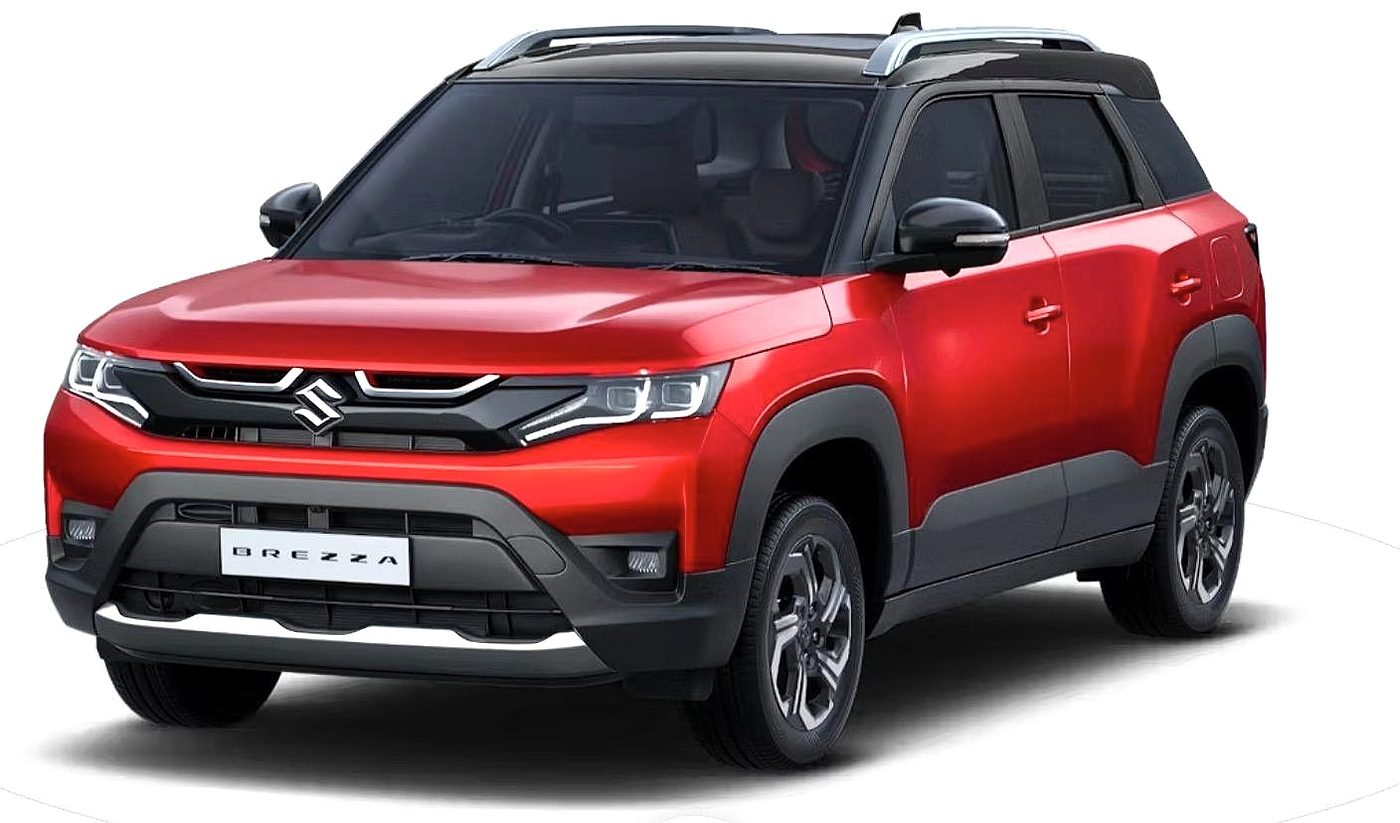
Cosmetic updates are expected to be subtle. Look for a new front grille, revised fog-lamp housings, a redesigned front bumper with a thicker silver faux skid plate, and new dual-tone alloy wheel designs. The overall silhouette and proportions remain unchanged—this is a mid-cycle facelift, not a generation leap. The approach mirrors Maruti's recent strategy: keep what works (the Brezza's boxy, SUV-ish stance is popular), refresh the details to signal newness. It's evolutionary, not revolutionary, but that's likely intentional to avoid alienating the Brezza's large, loyal owner base.
Price and rivals: Staying sharp in a brutal segment
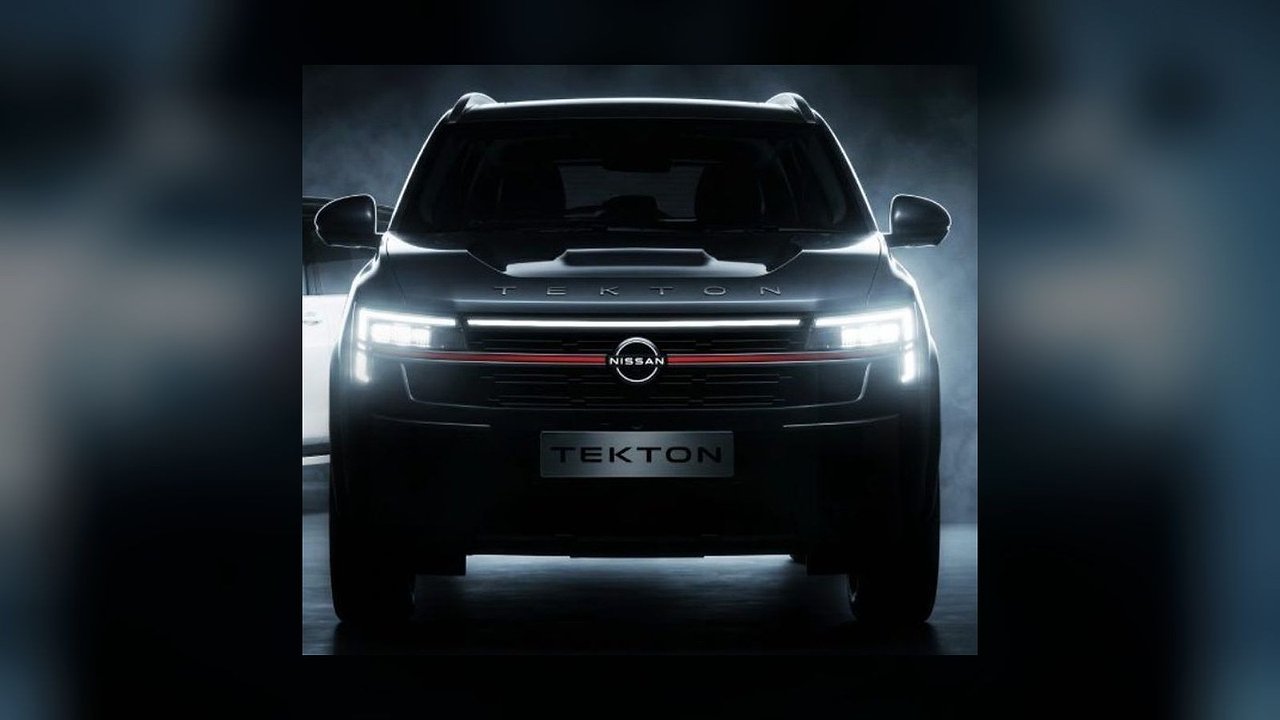
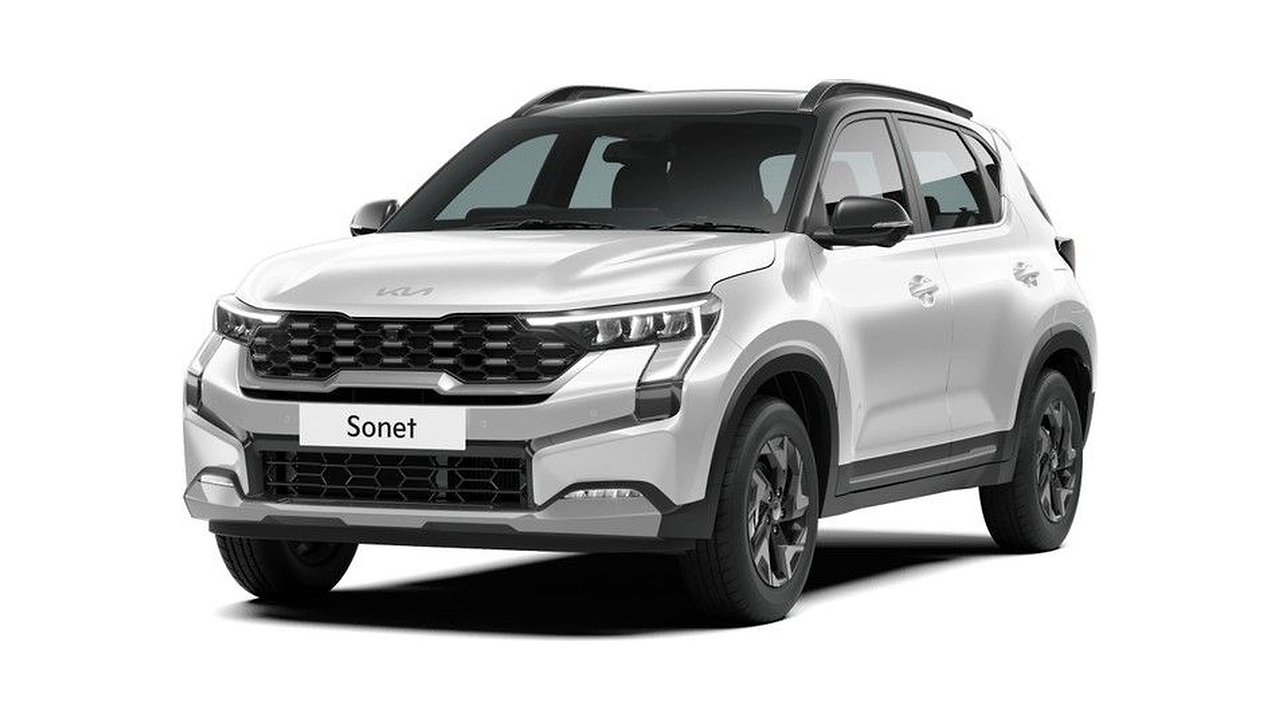
Official pricing will come at launch, but expect a marginal increase over the current ₹8.26–13.01 lakh range. Early estimates suggest the new Brezza could start around ₹8.5 lakh and top out near ₹14–15 lakh, depending on whether the top turbo-ADAS variant arrives. That keeps it neck-and-neck with the Hyundai Venue (₹7.94–13.53 lakh), Kia Sonet (₹7.99–15.77 lakh), Tata Nexon (₹8.14–15.80 lakh), and Nissan Magnite (₹6.0–11.11 lakh). The sub-four-metre SUV segment is the most competitive in India, and the Brezza's turbo-plus-underbody-CNG combination gives it a unique twin-engine practicality pitch no rival fully matches. The Nexon has the iCNG and safety edge, the Venue and Sonet have feature depth and turbo options, but the Brezza now covers both turbo performance and smart CNG packaging in one model—classic Maruti value engineering.
Should you buy it now, or wait?
Wait. If you're in the market for a Brezza, hold off until July—dealer stocks of the outgoing model are nearly exhausted, and any remaining inventory will likely see limited discounts as Maruti pivots to the facelift. Existing bookings are expected to roll over to the new model. The turbo engine, underbody CNG, bigger screen, and potential ADAS are substantial upgrades, not a minor refresh, so buying the old car now would mean missing out on meaningful improvements for the sake of a few weeks. If you're cross-shopping the Nexon or Venue, the facelifted Brezza could swing the decision—particularly if you want CNG without boot compromise or if ADAS arrives. One caveat: if you prefer an automatic, confirm availability with the turbo engine before committing; if it's manual-only at launch, the 1.5L auto remains your only torque-converter choice. But for most buyers, the July launch is close enough and compelling enough to make waiting the smart move.