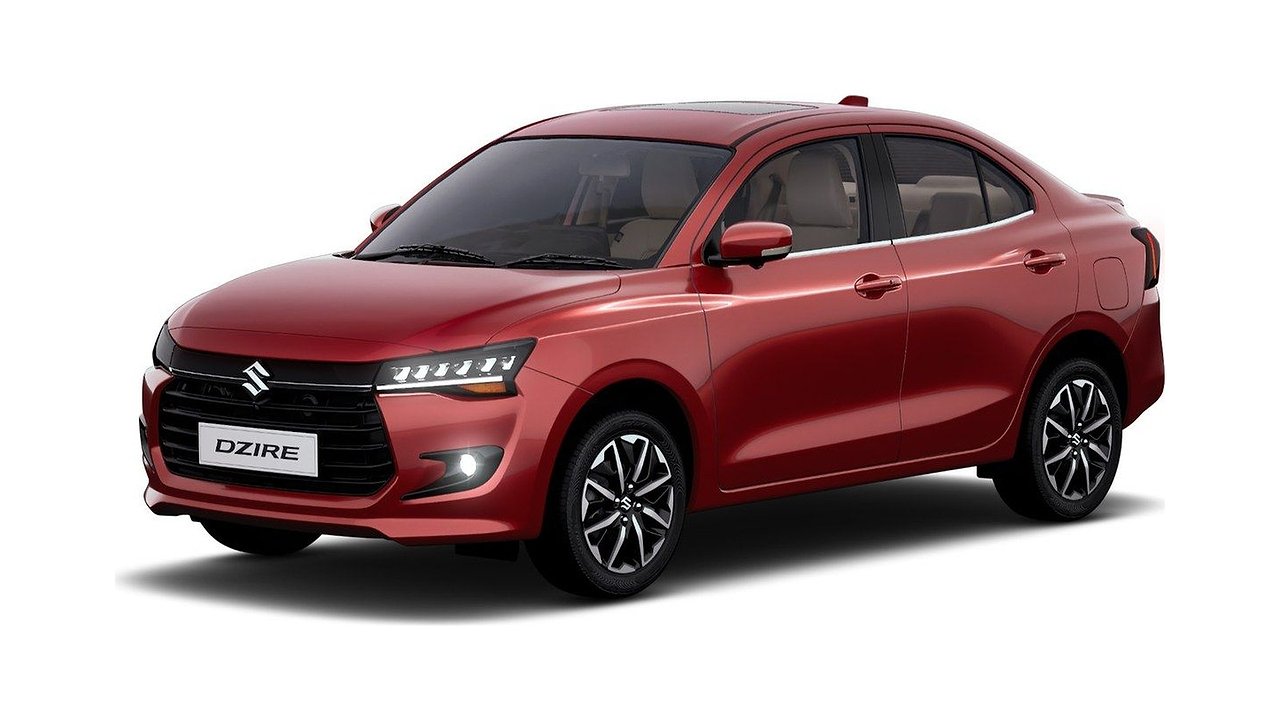
Maruti Suzuki has raised prices across its lineup this June, and the Dzire—India's best-selling sedan in CY25—hasn't been spared. The sub-four-metre sedan now costs up to ₹7,500 more depending on the variant you're eyeing, with CNG buyers bearing the brunt of the increase. The good news? The base LXi petrol manual remains at its old price, keeping the entry point accessible at ₹6.26 lakh. For everyone else, the hike ranges between ₹5,000 and ₹7,500, pushing the top-end price to ₹9.36 lakh (all ex-showroom). It's a modest percentage increase—around 1%—but in a segment where every rupee counts, buyers will feel it.
What's Changed: Who Pays How Much More
The price revision isn't uniform. CNG buyers take the biggest hit: both the VXi CNG and ZXi CNG variants are now ₹7,500 dearer. All other petrol variants (except the base LXi manual) have gone up by ₹5,000 each. The entry-level LXi petrol MT holds firm at ₹6.26 lakh, which keeps the Dzire's starting price competitive and unchanged—a smart move by Maruti to protect the variant that hooks first-time sedan buyers. The revised price bracket now spans ₹6.26 lakh to ₹9.36 lakh, so if you were sitting on the fence for a mid or top CNG variant, you're now looking at a tangible jump.
Why the Hike, and Why Now
June price hikes are routine for Maruti—input costs, currency fluctuations, regulatory tweaks all add up. The Dzire isn't alone; the Swift and others in the Maruti stable have also seen upward adjustments this month. What's notable is the targeted nature: CNG variants, which use more expensive bi-fuel hardware, see the steeper increase. Maruti clearly wants to maintain margin on the greener powertrain while keeping the petrol entry point sticky. Given the Dzire was Maruti's single most popular model in CY25—outselling even the Brezza and a host of compact SUVs—the brand knows it has pricing power, at least for now.
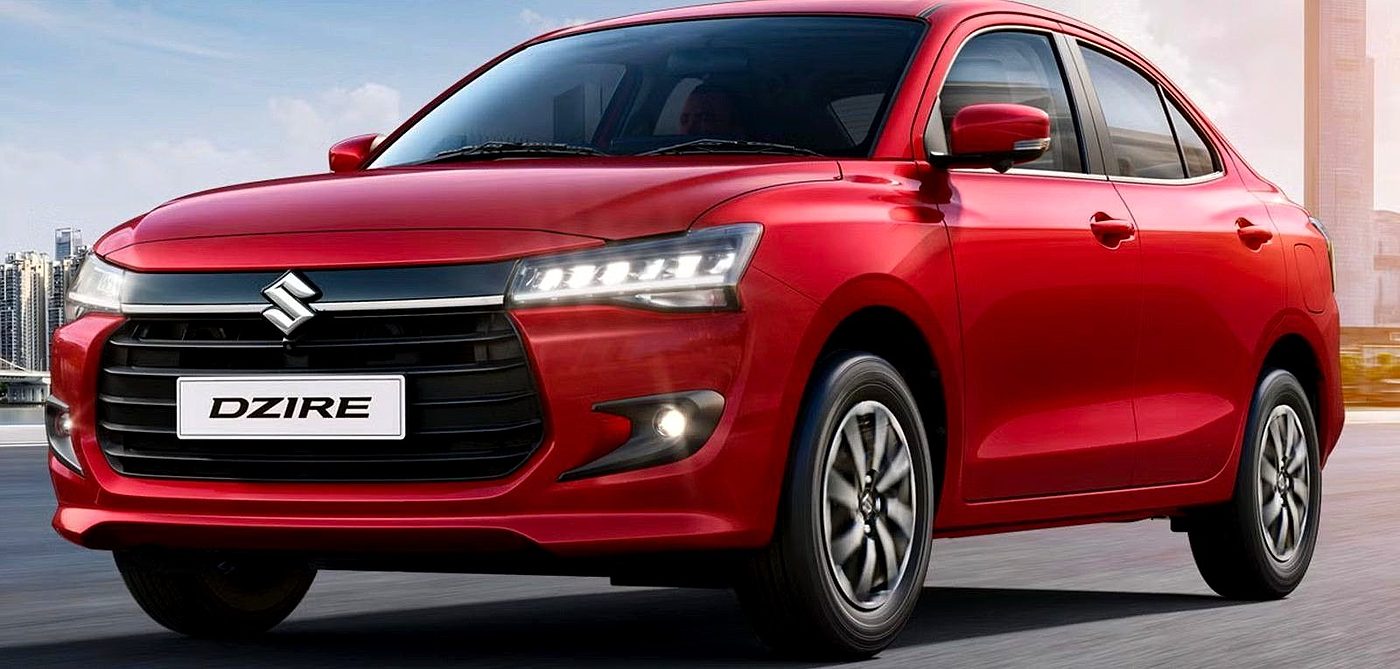
How It Stacks Up: Dzire vs. Aura and the Compact Sedan Field
The Dzire's main rival is the Hyundai Aura, which sits in a similar price band (roughly ₹6.49 lakh to ₹9.05 lakh, ex-showroom). Post-hike, the Dzire's base petrol manual undercuts the Aura's entry price by a meaningful margin, while the top-end ZXi CNG now slightly overshoots the Aura's range. The Tata Tigor is the third player, priced lower overall but lacking the brand pull and resale confidence Maruti commands. Importantly, a 2026 Tigor facelift is expected in the coming weeks, which could shake things up with fresh styling and features. The compact sedan segment is small but fiercely contested—most buyers cross-shop these three, and a few thousand rupees can tip the decision.
Why the Dzire Still Sells (and Why It Matters)
India's gone SUV-mad, yet the Dzire remains a volume king. It outsold every SUV on sale in March 2026 and finished CY25 as Maruti's top seller. The reasons are clear: compact dimensions (easy city driving, sub-4m excise benefits), proven 1.2-litre petrol and CNG powertrains, a roomy boot, low running costs, and a dealer network that reaches tier-3 towns. The current-generation Dzire (launched in 2024) brought sharper styling and a more premium cabin, closing the desirability gap with crossovers. Even with this hike, the Dzire delivers strong value per rupee—especially for buyers who prioritise practicality, fuel economy, and resale over the SUV badge.
Should You Buy It Now, or Wait?
If you're set on the base LXi petrol manual, there's no penalty—prices haven't moved. Lock it in. For CNG buyers, the ₹7,500 hike stings, but waiting won't help; Maruti rarely rolls back increases, and the next revision (likely early 2027) could add more. The wildcard is the incoming Tigor facelift. If you're open to Tata's offering, hold off a few weeks to see pricing and features—it might force Maruti to sweeten deals or offer better exchange bonuses. Otherwise, book the Dzire now. Waiting lists are short (2–4 weeks typically), and dealer discounts have dried up given strong demand. Festive season (September–October) might bring marginal offers, but don't bank on it reversing this hike.