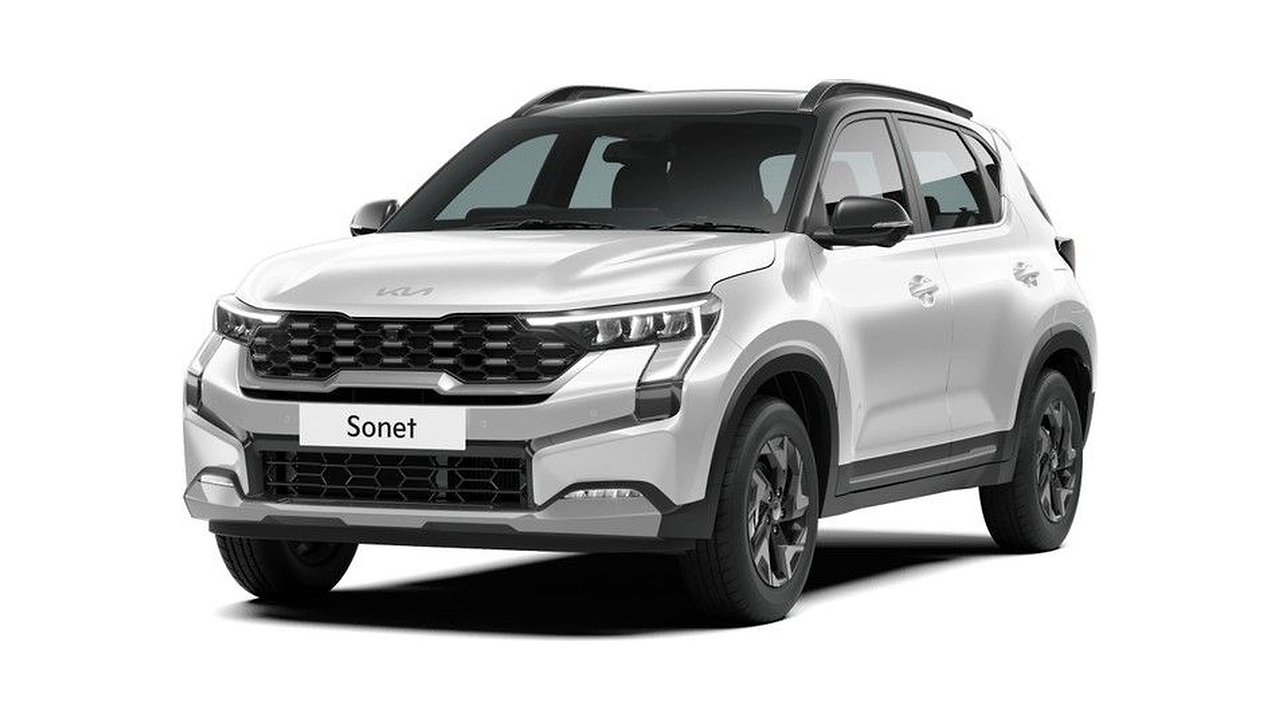
The Kia Sonet sold in India has received a deeply concerning 1-star safety rating from Global NCAP, exposing a stark gap between the model sold here and international-spec versions. Priced between ₹7.33 lakh and ₹14.19 lakh (ex-showroom), the compact SUV—popular in the B-segment space—has failed to provide adequate protection in crash scenarios, according to the independent safety body. This comes as a blow to buyers who've been choosing the Sonet for its feature-rich cabins and sharp styling, only to discover the structure beneath may not protect them when it matters most.
What the 1-star rating means
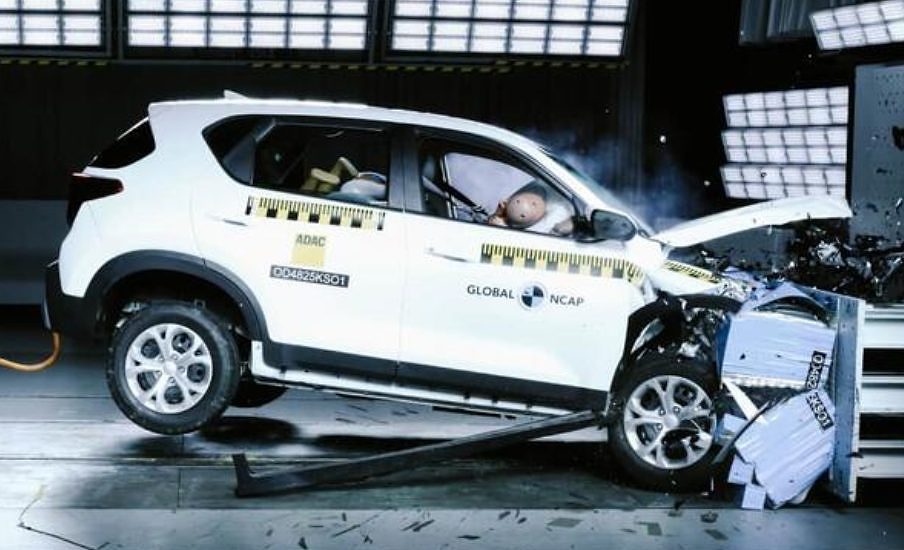
Global NCAP's crash protocols test frontal offset and side-impact scenarios at speeds mirroring real-world accidents. A 1-star result indicates poor protection for adult occupants, typically showing high risk of serious chest or head injury, unstable body compartments, or inadequate restraint systems. Child occupant protection at this level is equally alarming—car seats often shift dangerously, and the structure around rear passengers can intrude. For context, several rivals like the Maruti Brezza, Tata Nexon, and Mahindra XUV300 have scored 4 or 5 stars in the same test regime, proving that affordable Indian SUVs *can* be engineered to protect lives. The Sonet's score suggests either a weaker body shell, insufficient airbag coverage in base variants, or poor footwell integrity—issues that become critical in a 50 km/h offset crash.
The India-spec vs export-spec divide
Global NCAP tested the India-made Sonet, the exact variant rolling off Kia's Anantapur plant in Andhra Pradesh. The same model badge sold in overseas markets—particularly those with stricter homologation like Latin America or ASEAN states that now mandate higher standards—often carries reinforced A-pillars, more airbags as standard, and Electronic Stability Control across the range. Indian buyers, meanwhile, get dual front airbags on entry trims and up to six on top HTX+/GTX+ variants, but the fundamental structure appears compromised. This isn't unique to Kia; many manufacturers reserve their stiffest shells and latest passive-safety tech for exports or premium trims, leaving volume-selling base and mid variants vulnerable. The practice is legal under current Indian crash norms (which only require a frontal barrier test at 56 km/h), but it's ethically troubling when the same brand can deliver 3 or 4 stars for the same nameplate elsewhere.
How it stacks up against rivals
The compact-SUV segment is India's hottest, and safety has become a genuine differentiator. The Tata Nexon holds a 5-star Global NCAP badge (tested 2018, reconfirmed in facelift cycles), the Mahindra XUV300 earned 5 stars with strong child protection scores, and even the Maruti Brezza managed 4 stars in its latest test. The Hyundai Venue—Sonet's cousin on the same platform—has not been independently tested by Global NCAP recently, but older results hovered around 3 stars; it's reasonable to expect the Sonet and Venue share similar structures, making this 1-star outcome especially surprising. In real terms, a buyer choosing the Nexon over the Sonet for safety reasons is not being paranoid—they're buying measurably better crash protection for roughly the same ₹8–12 lakh spend. The Sonet's strong points—1.0 turbo-petrol punch, segment-leading features like ventilated seats and a 10.25-inch screen—matter little if the car can't keep you safe in an accident that *will* happen to a percentage of owners.
Expected vs confirmed details
**Confirmed:** The Kia Sonet India variant has received a 1-star Global NCAP rating; the car is manufactured in India and sold here between ₹7.33–14.19 lakh. **Expected but unconfirmed:** Specific subscores for adult occupant protection (likely below 6 out of 17 points) and child occupant protection (probably single-digit out of 49) would detail exactly where failures occurred—head/neck load, chest compression, or CRS installation. We'd also expect Global NCAP's report to note whether the test car was a base or mid variant (often they test the most-sold spec, typically the HTE or HTK trim with two airbags). Kia India's official response—usually a statement citing compliance with Indian regulations and plans for improvement—has not been detailed here but is standard practice. Independent teardown data on shell thickness or high-strength-steel percentage would clarify if cost-cutting is the root cause.
Should you buy it now, or wait?
If safety is anywhere on your priority list, wait—or walk away entirely. Kia will almost certainly respond to this result with either a mid-cycle structure revision (adding reinforcements, more airbags as standard) or at minimum a PR push highlighting higher trims' six-airbag setup. Neither fixes the core issue: the India-spec Sonet as tested is not a safe car by 2025 standards. Buyers committed to the Sonet should insist on the top GTX+ or HTX+ diesel/turbo-petrol variants with six airbags and all electronic aids ticked, and even then, the underlying shell is in question. For ₹10–12 lakh, the Tata Nexon (₹8.09–15.50 lakh) or Mahindra XUV300 (₹8.41–14.76 lakh) offer demonstrably superior crash protection with comparable features and performance. The smarter move: put your family in a 5-star car and enjoy the Sonet's sharp looks from the outside. Kia has the engineering capability—they've proven it globally. It's time Indian customers demanded they use it here, too.