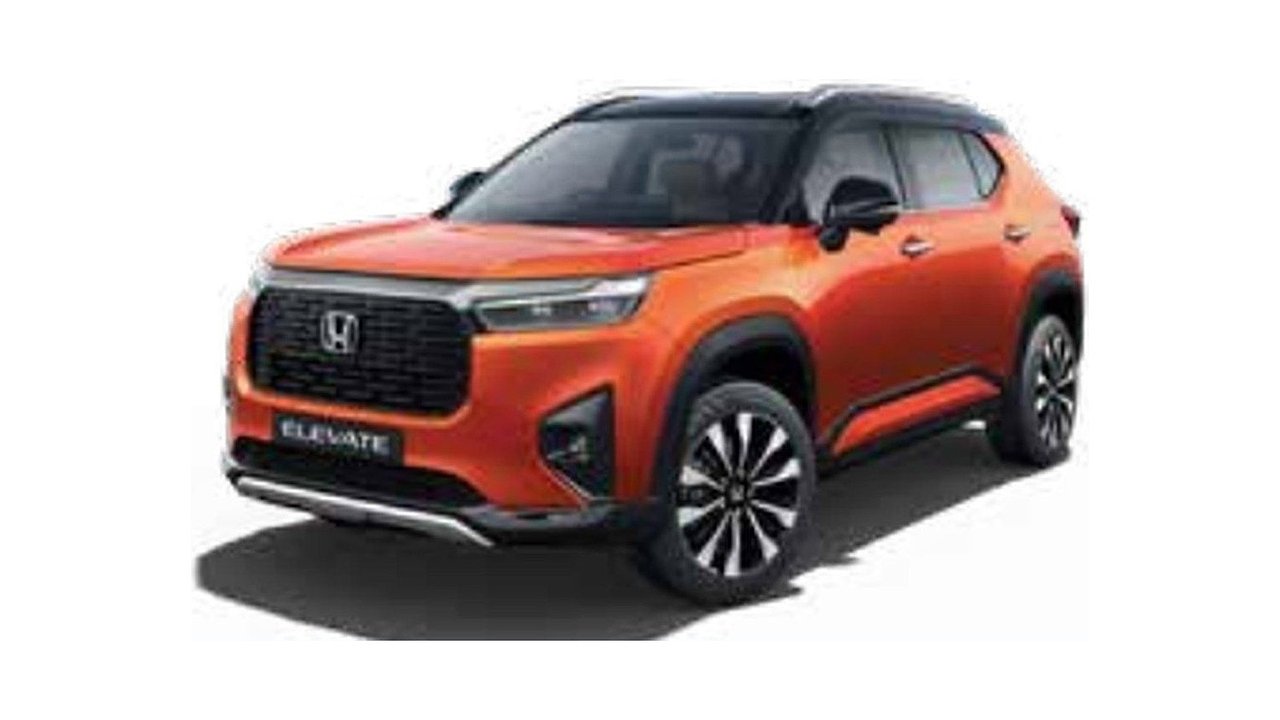
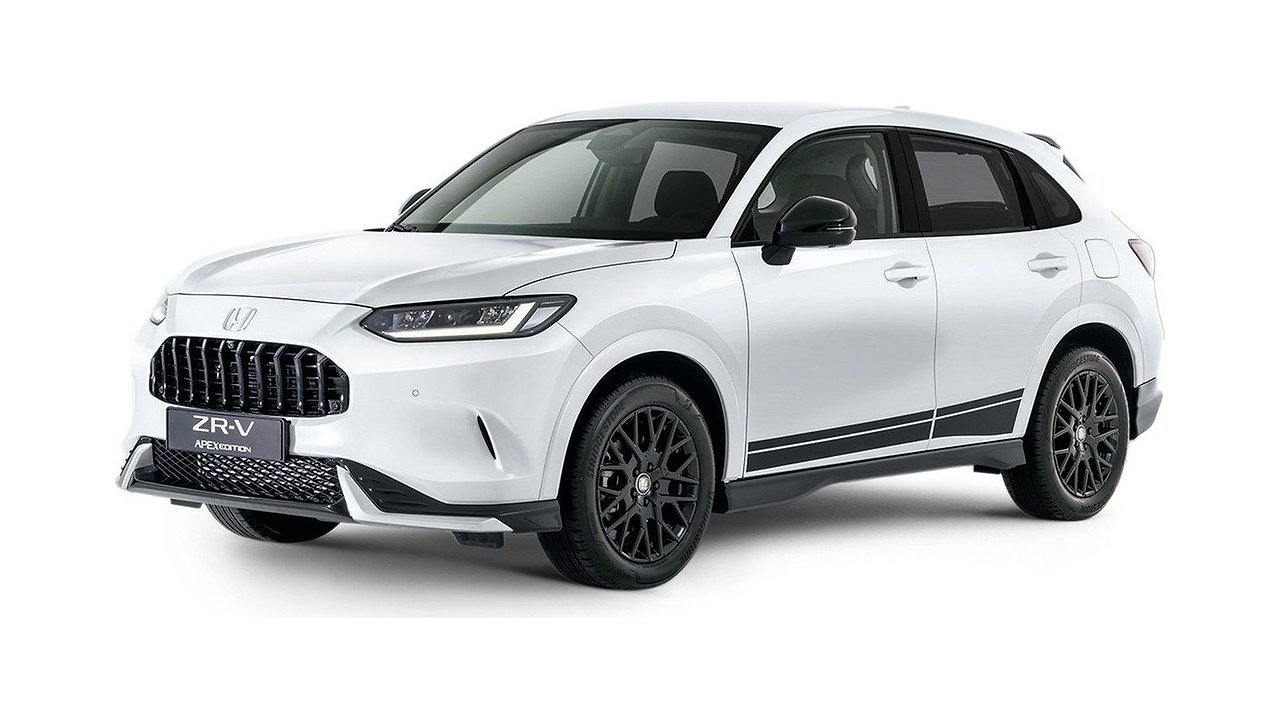
Honda launches the ZR-V in India tomorrow, and it's a bigger deal than it looks. After years of sticking to sedans and mass-market SUVs, the company is finally making a serious play for the premium segment. The ZR-V sits above the Elevate and brings something Indian roads don't see much of: a coupe-SUV shape that breaks from the usual boxy mould.
Priced around ₹40 lakh, it enters a segment where buyers have money but zero patience for half-measures. This is Honda's shot at clawing back ground lost to Jeep, Hyundai, and the Germans over the last ten years. Whether it works depends on how well they've read the room.
What exactly is the Honda ZR-V?
The ZR-V is a global-market SUV that Honda sells in Europe, Japan, and parts of Asia. It slots between the CR-V and HR-V internationally, but here it'll be the flagship SUV, sitting above the Elevate.
Think Volkswagen Tiguan or Jeep Compass territory, but with styling that leans coupe-SUV rather than traditional family hauler. The roofline slopes, the sides are sculpted, and the overall look is sportier than your typical mid-sizer. If you want something that doesn't blend into the Starbucks parking lot, this might be it.
Honda is expected to bring the strong-hybrid powertrain to India—a petrol engine paired with electric motors for better city efficiency. That would make it one of the few hybrid options at this price point, which is a genuine differentiator in a segment that's mostly petrol or diesel.
Price and positioning: where it fits
At ₹40 lakh, the ZR-V becomes Honda's most expensive model in India, overtaking even the City Hybrid. It's going up against the Jeep Compass, Hyundai Tucson, Citroen C5 Aircross, and Volkswagen Tiguan—all of which have struggled to post consistent numbers in a market that prizes value over badges.
The ₹40 lakh bracket is a minefield. Buyers expect premium materials, advanced safety tech, a strong engine, and low running costs. They're also just a few lakhs away from entry-level German luxury badges like the BMW X1 or Mercedes GLA, which makes every feature and every rupee critical.
Honda will likely offer two or three variants, with the top trim loaded with ADAS, a panoramic sunroof, connected car tech, and premium upholstery. The brand's reputation for reliability and affordable maintenance could swing things, especially among buyers who want a premium SUV without the constant worry of expensive service bills.
Hybrid powertrain: the efficiency advantage
If Honda brings the strong-hybrid setup to India—likely, given the City Hybrid's presence—the ZR-V will offer a real advantage in city driving. Strong hybrids can run on electric power alone at low speeds. Traffic crawls become smoother, and fuel economy improves noticeably over pure petrol rivals.
Expect real-world efficiency around 16–18 kmpl in mixed conditions, well ahead of the 12–14 kmpl you'd get from a comparable turbo-petrol SUV. Over a year of ownership, that gap adds up. If you're doing 15,000 km annually in a metro, the savings are tangible.
The hybrid system also means instant torque from the electric motors, making the ZR-V feel quicker off the line than its petrol rivals. It's not sports-car fast, but it's more responsive in real-world overtaking and merging. The trade-off? Slightly higher upfront cost and a smaller boot due to battery placement, though Honda has managed packaging well in the City Hybrid.
How it compares to established rivals
The Jeep Compass has been the default choice for buyers wanting a premium SUV with some off-road cred. It offers both petrol and diesel, a 4x4 variant, and a strong brand image. But it's also thirsty, expensive to maintain, and the diesel has now vanished from the lineup, which limits its appeal.
The Hyundai Tucson is the feature-loaded option, with a long equipment list, spacious cabin, and Hyundai's strong service network. But it's petrol-only, and the styling is polarising. The Volkswagen Tiguan is the enthusiast's pick, with great dynamics and build quality, but it's also the most expensive to run and maintain.
The ZR-V's hybrid powertrain gives it a clear efficiency edge. Honda's service network is more accessible than Jeep's or VW's. But it will need to match or beat rivals on features, space, and driving experience to justify its price. The coupe-SUV styling will either win buyers or push them toward more traditional shapes. There's no middle ground here.
Should you wait for the launch, or book now?
If you're in the market for a ₹40 lakh SUV and hybrid efficiency matters to you, the ZR-V is worth waiting for. The launch tomorrow will clarify exact pricing, variant breakup, and feature availability—all critical to making an informed decision. Don't rush into bookings until you've seen the full spec sheet and, ideally, test-driven the car.
If you prefer diesel, need serious off-road capability, or want a more spacious seven-seater, the ZR-V won't fit your needs. It's a five-seater focused on efficiency and style, not ruggedness or load-hauling. In that case, the Compass diesel (if still available in stock) or waiting for the next-gen Fortuner makes more sense.
For those comparing it to entry-level luxury SUVs, remember that a BMW X1 or Mercedes GLA will have higher running costs, pricier parts, and less forgiving service networks. The ZR-V offers premium positioning without the luxury-badge tax, which could appeal if you value sensible ownership over showroom prestige.