
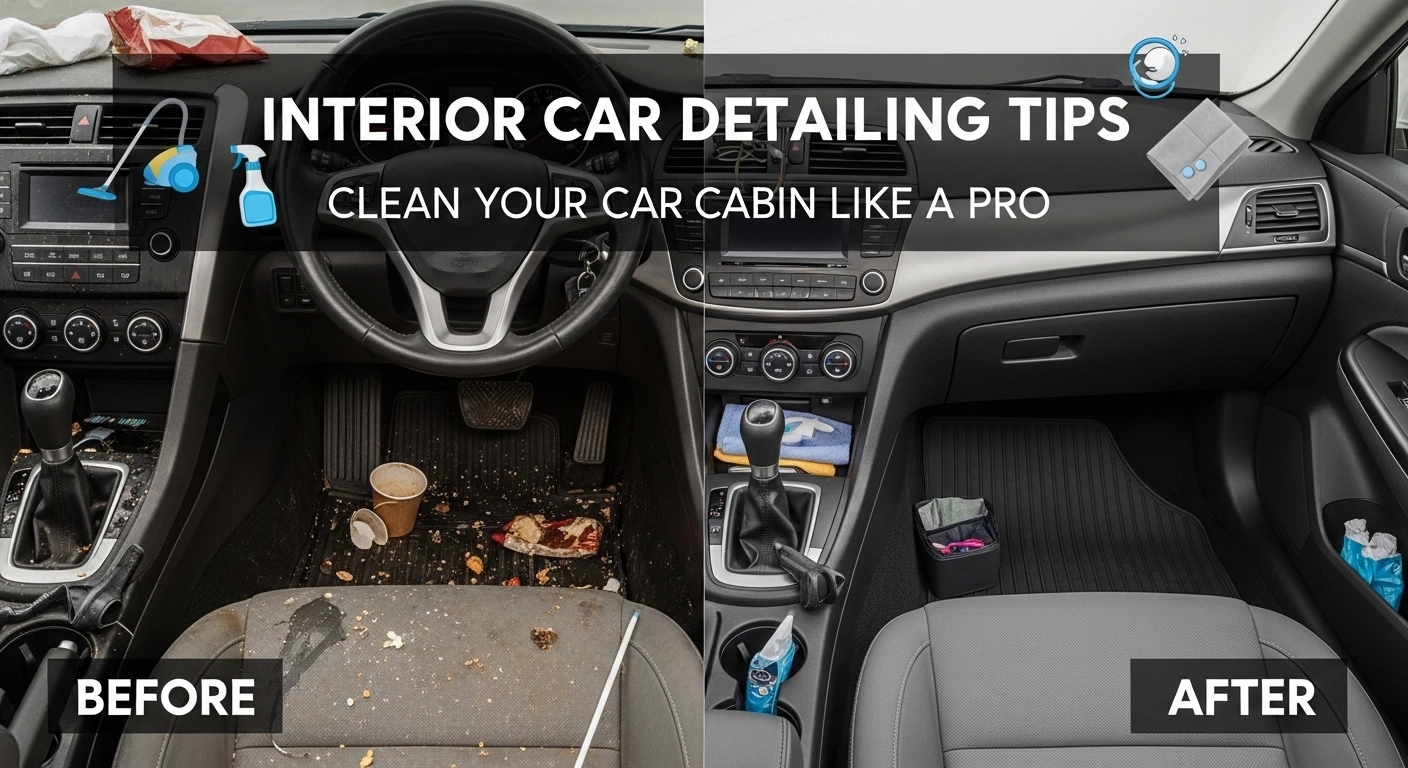
While most car owners focus on keeping the exterior clean and shiny, the interior of your vehicle deserves equal attention. Your car’s cabin is where you spend the most time, and it is exposed to everything from food crumbs and beverage spills to UV damage and body oils. In 2026, interior detailing has evolved beyond simple vacuuming and air freshener to become a sophisticated process that prioritizes hygiene, material preservation, and long-term protection.
In this guide, we will share professional-grade interior detailing techniques that you can use at home to achieve a cabin that looks, feels, and smells like it just rolled off the showroom floor.
Start With a Complete Declutter and Vacuum
Before applying any cleaning products, remove all personal items, floor mats, and loose debris from the vehicle. Shake out the floor mats and set them aside for separate cleaning. Using a vacuum with a crevice attachment, thoroughly vacuum every surface including seats, seat crevices, carpets, door pockets, center console storage, and the trunk. Pay special attention to the gaps between seats and the center console, where crumbs, coins, and dirt accumulate. For fabric seats, use a brush attachment to agitate the fibers and lift embedded dirt before vacuuming. A thorough vacuum is the foundation of any quality interior detail and should never be rushed.
Cleaning Leather and Vinyl Surfaces
Leather seats require specialized care to maintain their suppleness and prevent cracking. Use a pH-balanced leather cleaner applied to a soft microfiber cloth or a dedicated leather cleaning brush. Work the cleaner into the leather using gentle circular motions, focusing on areas that see the most contact such as seat bolsters, armrests, and the steering wheel. After cleaning, apply a leather conditioner to restore moisture and create a protective barrier against UV damage and body oils. For vinyl surfaces like dashboards and door panels, use an interior-specific all-purpose cleaner at a light dilution. Avoid using products that leave a shiny, greasy finish, as these attract dust faster and can create dangerous glare on the dashboard and windshield. Matte-finish protectants are the preferred choice among professional detailers in 2026.
Deep Cleaning Carpets and Fabric Seats
For stained or heavily soiled carpets and fabric seats, a dedicated carpet and upholstery cleaner is essential. Spray the product onto the affected area, agitate with a medium-stiff detailing brush, and then extract the moisture using a wet vacuum or extractor machine. This process pulls deeply embedded dirt, stains, and odors out of the fabric rather than just pushing them around. For stubborn stains like coffee, ink, or grease, allow the cleaner to dwell for several minutes before agitating. Multiple passes may be necessary for older or deeply set stains. Once clean, allow the fabric to dry completely with windows cracked open or a fan running to prevent mildew formation.
Cleaning Air Vents, Buttons, and Tight Spaces
Air vents, control knobs, button crevices, and infotainment screen bezels are often overlooked during interior cleaning but accumulate significant amounts of dust and grime. Use a soft-bristle detailing brush dipped in a light all-purpose cleaner solution to gently sweep dust out of vent slats. Cotton swabs are excellent for cleaning around small buttons, stalks, and gauge clusters. For infotainment screens and digital displays, use a dedicated screen cleaner and a microfiber cloth designed for electronics. Never spray cleaning products directly onto screens, as liquid can seep behind the display and cause damage.
Glass Cleaning for Streak-Free Clarity
Interior glass cleaning is often the most frustrating part of the process because of the film that builds up on the inside of the windshield. This film is caused by off-gassing from plastic and vinyl interior components, combined with moisture and oils from passengers. Use a dedicated automotive glass cleaner and a clean, lint-free glass towel. Spray the product onto the towel rather than directly onto the glass to prevent overspray onto surrounding surfaces. Wipe in straight, overlapping strokes rather than circular motions, and use a second dry towel to buff away any remaining streaks. Clean interior glass on a cloudy day or in shade to prevent the cleaner from evaporating too quickly.
Interior Protection and Maintenance
Once your interior is thoroughly clean, applying protection products will keep it looking great for longer. Interior ceramic coatings have become one of the fastest-growing detailing services in 2026, offering long-lasting protection for leather, vinyl, fabric, and plastic surfaces. These coatings create a hydrophobic barrier that resists spills, UV damage, and staining. For families, pet owners, and rideshare drivers, interior protection is becoming just as important as exterior paint protection. A UV protectant applied to the dashboard and door panels will prevent fading and cracking, while a fabric protector on seats and carpets will make spills bead up for easy cleanup instead of soaking in.
Maintaining a clean interior is not just about appearance. It contributes to a healthier cabin environment by reducing allergens, bacteria, and odors. Establishing a regular interior detailing routine, even a quick fifteen-minute session every week, will keep your car’s cabin in top condition and preserve its resale value for years to come.